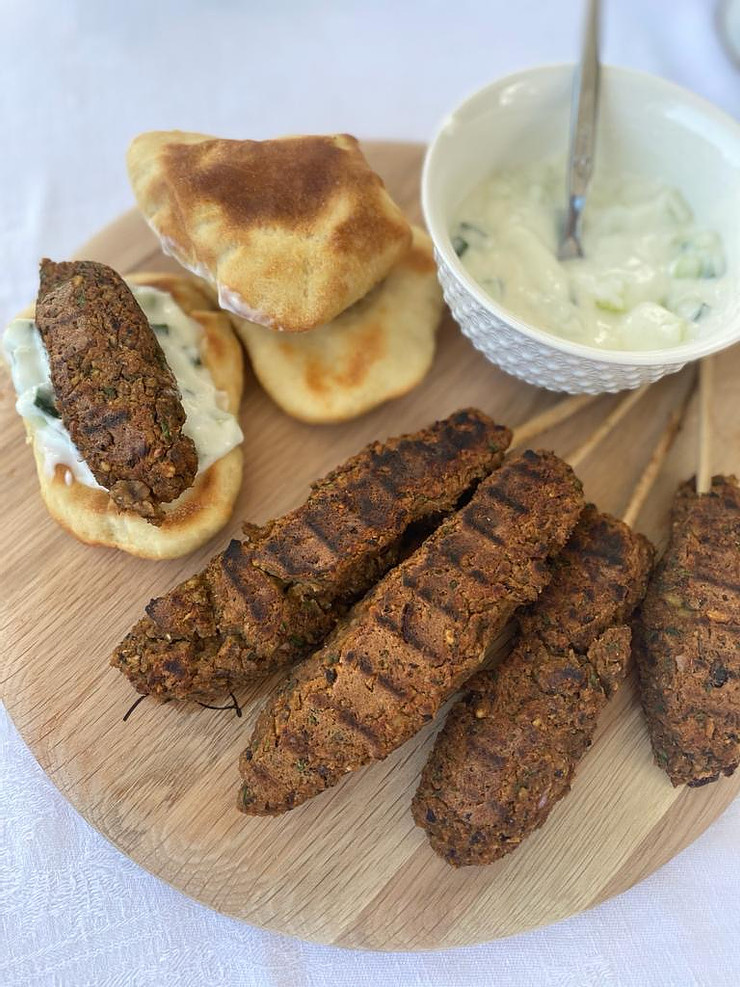
Not only are these plant-based keftas the perfect substitute for meat, but you can actually cook them on a barbecue. Make sure the grill is well oiled or use a cooking mat. The smokiness from the open fire does add that extra taste of summer evenings! Serve with a tzatziki sauce and naan bread under the stars.
The recipe makes 8 – 10 keftas, depending on the size you make them.
About 8 bamboo skewers
400g tin chickpeas, drained and rinsed
200g tinned black beans
62ml fresh breadcrumbs
half an onion, chopped
125ml fresh herbs, chopped
5ml cumin
10ml smoked paprika
5ml salt
1 egg
Soak the bamboo skewers in water for at least an hour.
Add the chickpeas, black beans and breadcrumbs to a food processor and pulse to chop. Scrape the mixture down in between so that you get an evenly chopped mixture.
Add the rest of the ingredients and blitz to mix everything up.
Scoop up a handful of the mixture and press it together around a skewer. Gently roll between wet hands to shape into a sausage. Place on a baking sheet and prepare the rest of the keftas.
Once your coals have reached medium heat, place your cooking mat on the grill and cook the keftas for about 4 minutes per side.
If you want to make the keftas in your oven, simply preheat to 180℃ and proceed as above.
Serve the keftas with naan bread and a tzatziki sauce.
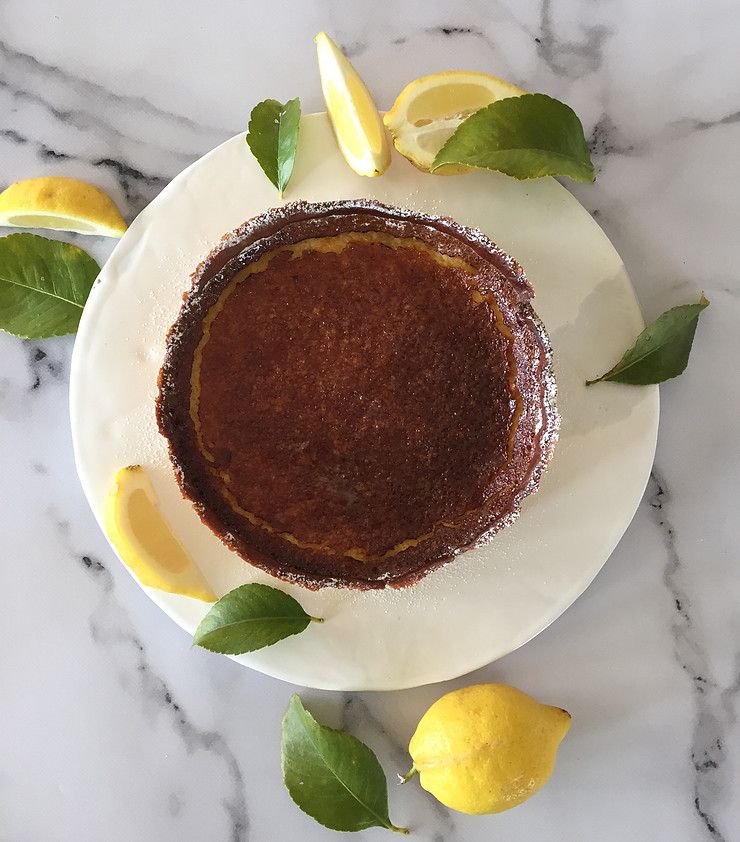
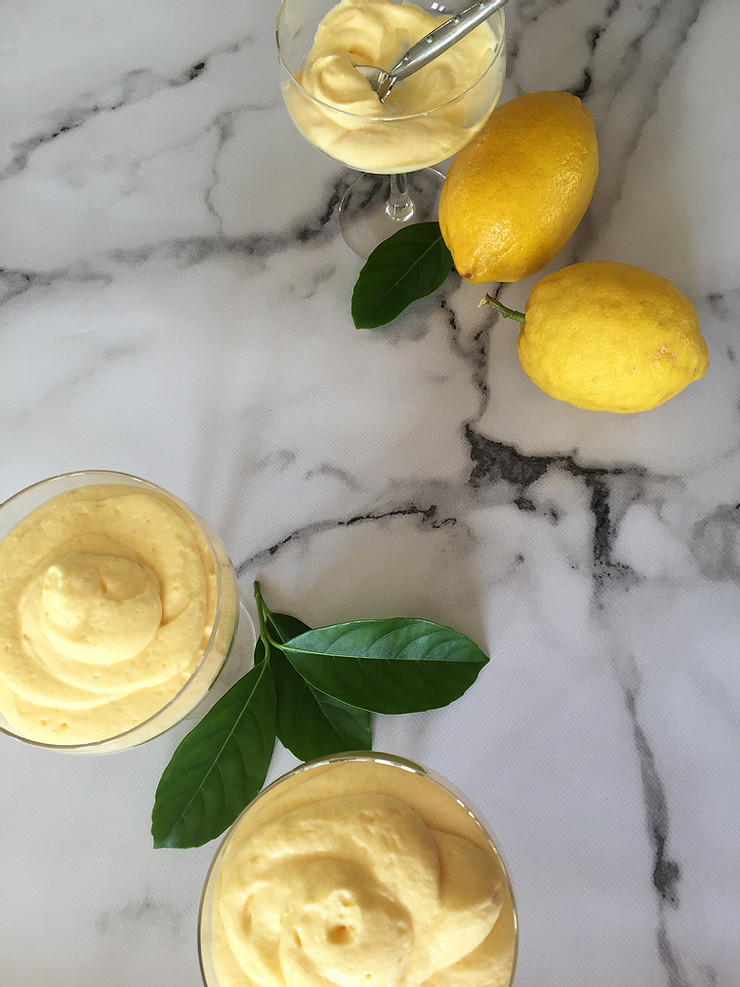
This is not your regular tarte au citron, but rather an utterly luxurious version, fit for a very special occasion!
This lemon tart does require some work but it is absolutely worth the effort. I make mine with a Pâte Sucrée but you may use store bought sweet pastry if you do not want to put in the time or effort to make your own.
Pâte Sucrée
250g plain flour
100g butter, cubed
100g icing sugar, sifted
a pinch of salt
2 eggs
Add the flour, cubed butter, sifted icing sugar and salt to a food processor and blitz until the mixture resembles bread crumbs. Shake up the mixture in between blitzing so that you get all of the flour to mix with the butter.
Now add the eggs to a small bowl and give them a good whisk.
Switch the machine on and start adding the egg a few drops at time. This is very important: if you add too much of the egg you will have a dough that can’t be rolled out. Add JUST enough egg for the mixture to come together – you will probably use one and a half egg.
Take the mixture out of the food processor and on a lightly floured surface, fold and knead with the palm of your hand – about 8 times or so, for the dough to come together.
You should now have a silky smooth pastry dough. Wrap it in plastic and rest it in the refrigerator for two hours.
If you are using a store bought short crust pastry, you have to follow the next steps.
Lining and blind baking the pastry crust:
Preheat your oven to 180℃.
Grease a flan tin or a loose bottomed cake tin that is 22cm in diameter and at least 4cm deep.
Roll the pastry on a lightly floured work surface to a thickness of about 3mm.
Line the bottom and sides of the tin and prick the bottom evenly with the tines of a fork.
Line the pastry with baking paper and baking beans and bake blind for 20 minutes.
Remove the tin and quickly remove the paper and beans.
Place back into the oven and bake for a further 15 minutes.
Cool on a cooling rack, without fiddling with the pan.
Filling:
5 lemons
9 eggs
375g caster sugar
300ml double cream
30g icing sugar, to dust or brûlée
Grate the zest from the lemons and set aside.
Juice the lemons and strain the juice through a sieve. Set aside.
Add the eggs and sugar to a mixing bowl and mix with an electric whisk. Keep going for about two minutes as you want the mixture completely amalgamated.
Pour in the lemon juice and add the lemon zest. Stir through.
Add the cream to a clean mixing bowl and beat until soft peaks form.
Delicately fold in the whipped cream, making sure you do not overwork the mixture.
Cover the mixing bowl with plastic wrap and refrigerate for 30 minutes.
Preheat your oven to 150℃.
Take the lemon mixture from the fridge and lightly whip it with a spatula before pouring it into the baked pastry shell.
Bake in the oven for 1 hour and 20 minutes.
Leave to cool and firm up for a while before removing the ring, but do so while the tart is still slightly warm.
Set aside until cold.
Dust the lemon tart with the icing sugar. You may serve the tart dusted or you may brûlée the sugar with a blow torch, which adds a delicate crunch to the tart.
Easy, delicious and nutritious. This dish is perfect to prepare on a weekend and to serve during the week, when you are short on time. It also freezes well if you want to keep it as a backstop for crazy days.
2 litres chicken stock
9 chicken breasts, skin removed
1 large head of broccoli
75g butter, cubed
75ml cake flour
750ml milk
250ml cheddar cheese, grated
250ml mozzarella cheese, grated
Preheat your oven to 180℃.
Cut the chicken beasts into bite-sized pieces and add it to a saucepan with 2 litres chicken stock.
Bring the stock to the boil and reduce the heat to simmer until the chicken is cooked.
Allow the chicken to cool in the stock, before draining.
Keep aside.
Cut the florets from the broccoli. Slice the broccoli stems into small pieces, not larger than 0,5cm cubes.
Bring a saucepan with salted water to the boil and add all of the broccoli. Cook for 2 minutes, remove with a slotted spoon and plunge the broccoli into ice-cold water.
Drain and keep aside.
Melt the butter in a clean saucepan.
Add the flour to the butter and cook over a medium heat for 2 minutes, while stirring with a spatula.
Add all of the milk and whisk continuously until the mixture is smooth and free of lumps. Allow to thicken.
Add half the cheddar and half the mozzarella to the sauce and mix well.
Season the béchamel with salt and pepper to taste.
Lightly grease an ovenproof ceramic dish that is about 20cm X 30cm.
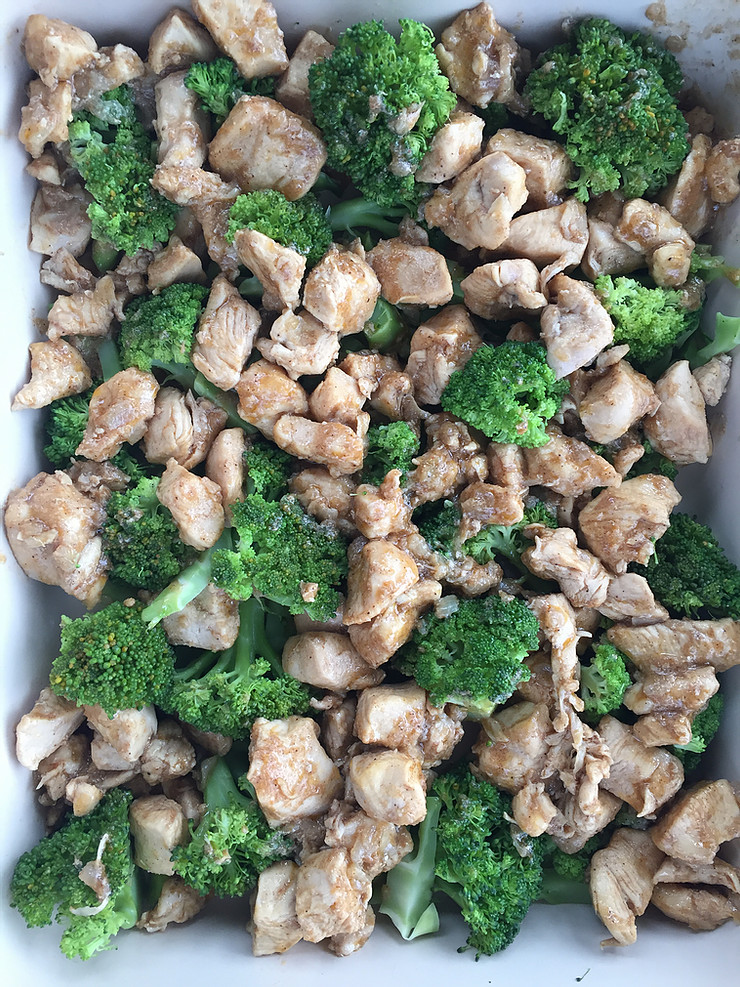
Spread the chicken over the base of the dish and arrange the broccoli in between.
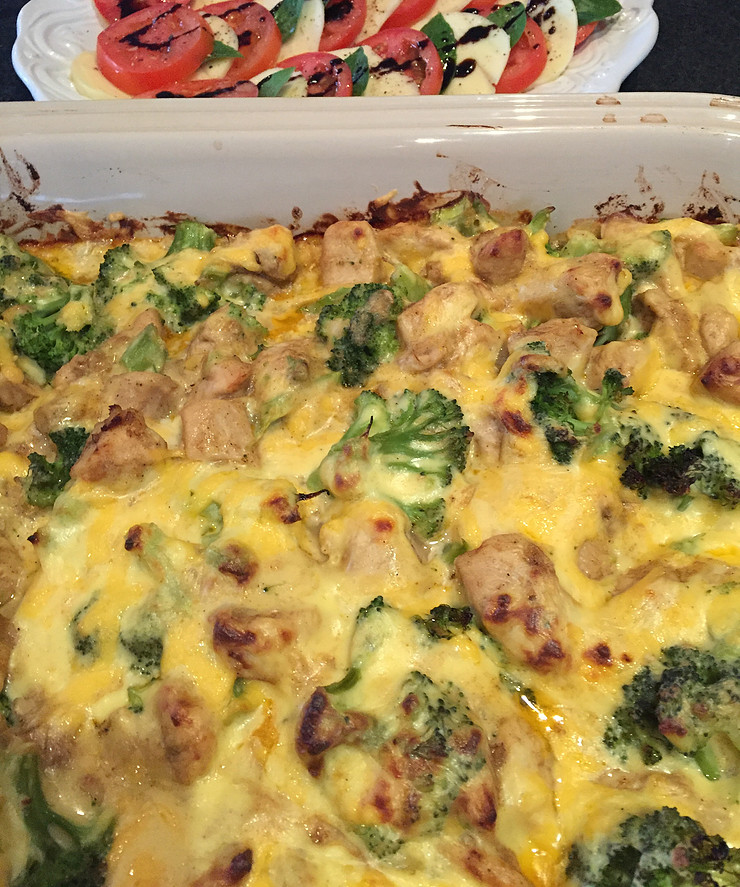
Cover the chicken and broccoli with the béchamel sauce and sprinkle the rest of the cheeses over.
Bake in your preheated oven for 30 minutes, until golden and aromatic.
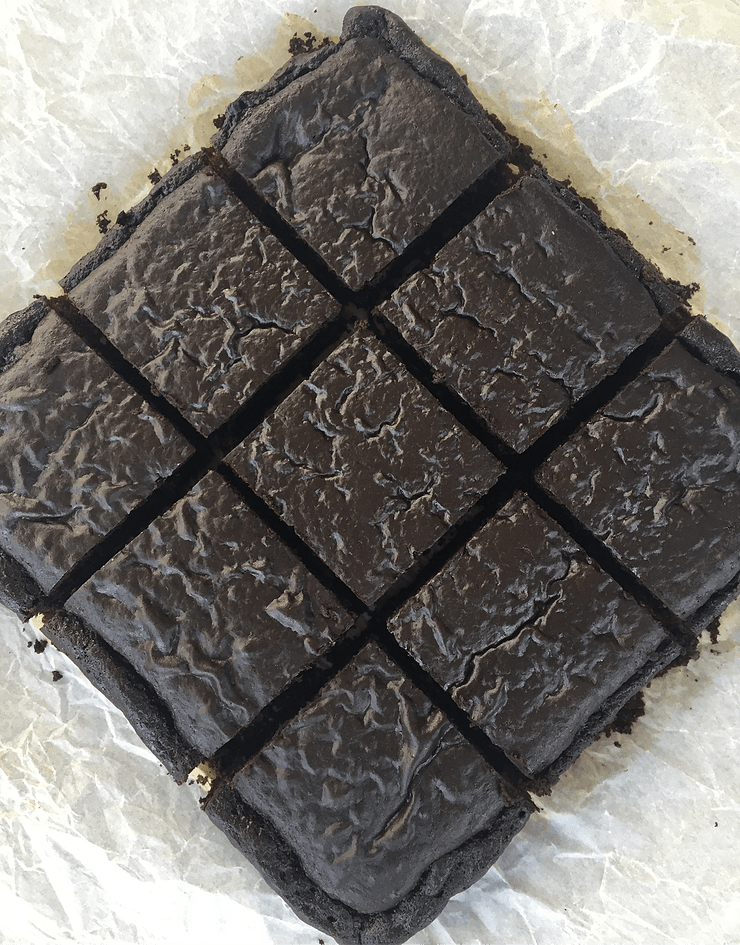
These brownies are gluten-free, vegan and Keto friendly. They have an intense chocolatey taste and the most wonderful fine texture and literally takes 5 minutes to get into the oven!! Please try them, they really are a taste sensation!!!
25ml flax seed powder dissolved in 125ml water OR if you are not vegan, replace by using 2 eggs
1 X 400g tin black beans, drained
100g syrup
50g sugar
10ml vanilla
a pinch of salt
70g cocoa powder
5ml baking powder
2,5ml bicarbonate of soda
30ml vegetable oil
Preheat your oven to 180℃.
Grease a 20cm square baking tin and line it with baking paper.
Blitz up the flax seed powder and water/eggs, in a liquidiser or using a hand blender.
Now add all the other ingredients and blend the mixture for about one minute.
Scoop the mixture into the prepared baking tin and bake for 35 minutes.
Cool in the baking tin.
Remove the brownies from the tin, peel away the paper and cut into 9 squares!!
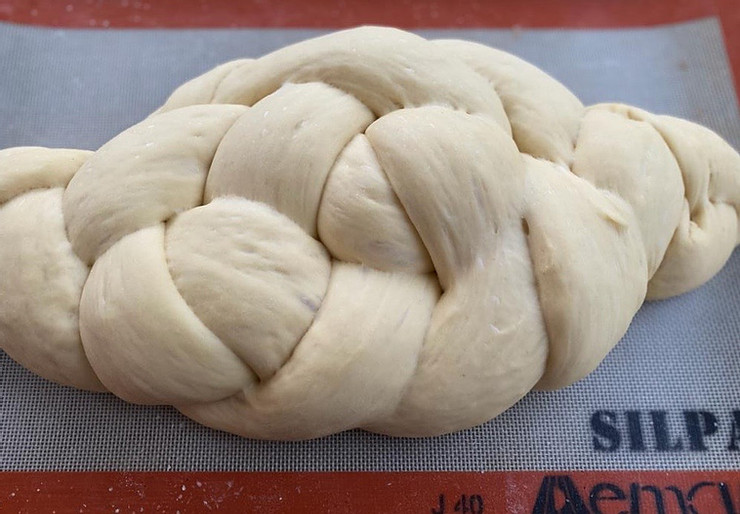
Challah is a traditional Jewish bread for special occasions and considered a blessing in the Jewish culture. It is fluffy, aromatic, slightly sweet and reminds one of a good French Brioche. This recipe provides for two really large breads, but keep in mind that they keep exceptionally well and makes an excellent bread and butter pudding. Make one extra large bread when you need a centrepiece to whow a crowd!
15ml instant yeast
5ml sugar
1 egg
3 egg yolks
83ml honey
30ml vegetable oil
10ml salt
750g flour
Egg wash:
1 egg
15ml water
2,5ml salt
Pour 83ml lukewarm water into the bowl of a stand mixer fitted with a dough hook.
Add the yeast and sugar to the water and stir the mixture to dissolve the sugar.
Add another 310ml lukewarm water, the whole egg, egg yolks, honey, oil and salt. Give it another stir.
Now attach the mixing bowl to the stand mixer, add half a cup of flour and “stir” the mixture on the lowest speed. Keep adding flour and stirring it in until you have no flour left.
Knead the dough on low speed for 4 minutes.
Remove the challah dough from the mixing bowl and place it in a clean, lightly oiled bowl. Cover the bowl with a clean tea towel and allow it to rise for one hour or until doubled in volume.
Remove the dough from the bowl and gently knock it back by hand.
Place the dough back into the oiled bowl, cover and proof for another hour.
Now transfer the dough to a work surface and knead by hand for about two minutes.
Divide the dough into one or two portions, depending on how many breads you want to bake and shape your bread. Traditionally a challah bread is shaped into a plait.
Place the bread(s) onto a baking sheet lined with parchment paper/silicone baking mat and prepare the egg wash.
Mix all the egg wash ingredients together, whisk lightly and brush a thin, even layer over the bread.
Cover with a tea towel and allow it to proof for a final 40 minutes.
Preheat your oven to 180℃.
Place the baking sheet into the oven and bake for 40 minutes, until beautifully golden.
Cool the challah on a cooling rack before slicing.
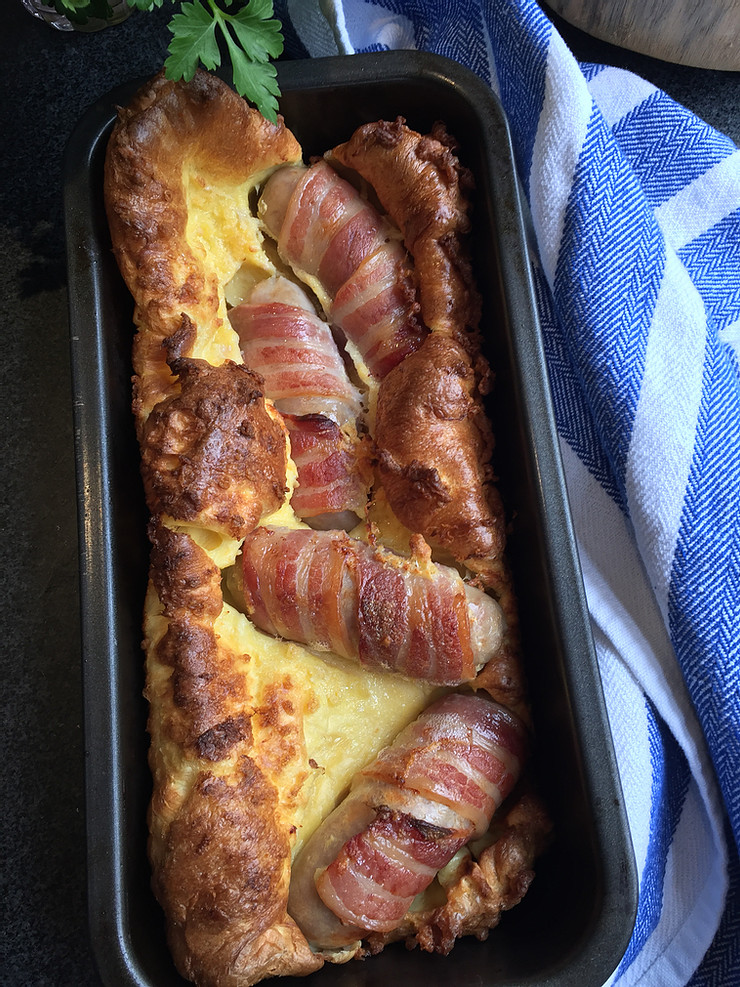
This is the perfect quick-one-pan-dinner and if you are a fan of pork bangers, it is a double win! This recipe serves 8 people and is best cooked in two large bread loaf tins.
6 eggs
250ml flour
300ml milk
a generous pinch of salt
15ml wholegrain mustard
16 pork bangers
16 strips of bacon
vegetable oil
Wrap each of the pork sausages in a strip of bacon.
Whisk the eggs in a mixing bowl.
Add the flour and stir through with a spatula.
Add the milk a little at a time, beating in between, to get rid of any lumps.
Allow the mixture to stand for at least one hour.
Preheat your oven to 250℃.
Pour some vegetable oil into two large bread loaf tins – about 0,5cm of oil.
Put the tins into the preheated oven for 15 minutes so that the oil can heat up.
Once the oil is hot, you have to work quickly: take the loaf tins out of the oven, arrange the wrapped sausages in the tins and carefully pour the batter onto the sausages, making sure you divide the batter evenly between the two tins.
Immediately put the tins back into the oven and bake for 20 minutes WITHOUT OPENING THE OVEN DOOR TO PEAK!!
Remove the Toad in the hole and serve warm with a crispy green salad and a glass of white.
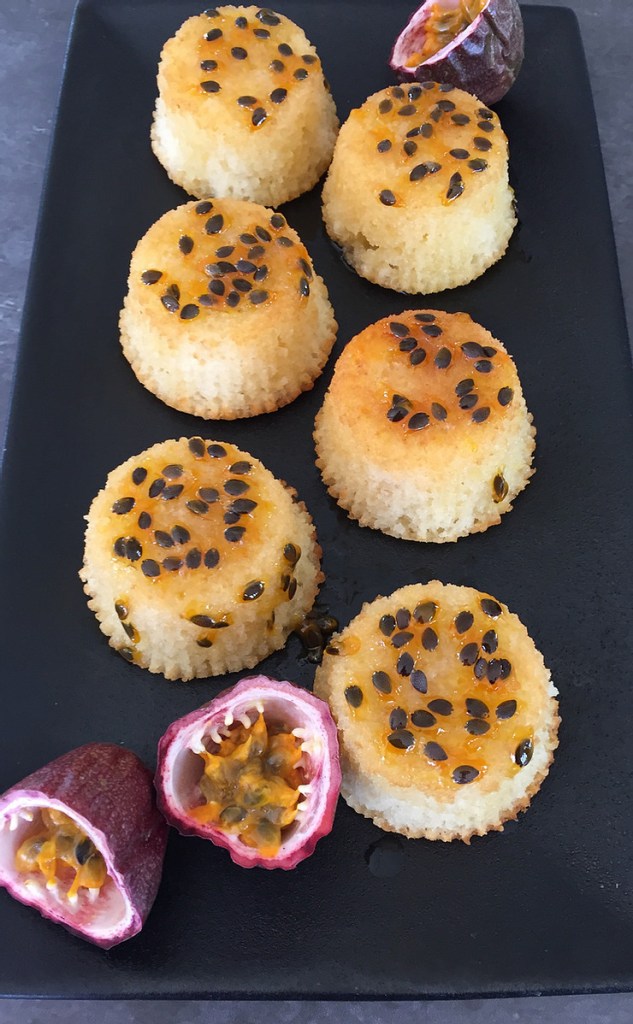
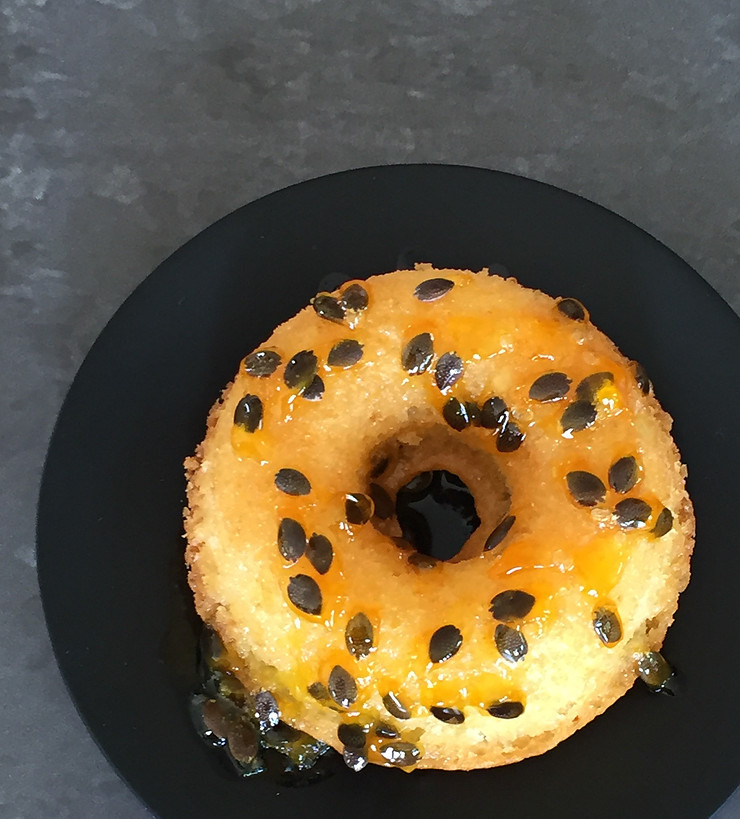
These tiny cakes are made with yoghurt and are light and airy and not like cake at all…. The syrup is acidic and leaves one’s palette refreshed and alive! Once you have made these cakes, they will become a firm favourite for those special occasions, whether you need a cake or a dessert.
375ml sugar
250ml vegetable oil
2 eggs
250ml vanilla yoghurt
2 lemons; juice and zest
500ml self-raising flour
Preheat your oven to 160℃.
Grease a muffin tin or individual small cake moulds. Now dust the greased moulds with some cake flour, so that each mould is coated evenly with flour. Shake out any excess flour.
Add the sugar and oil to a mixing bowl and whisk together with an electric beater.
Add the eggs, one at a time, and whisk well.
Now stir in the yoghurt, lemon juice and the lemon zest.
Sift the flour directly into the mixing bowl in two or three batches and stir until just mixed through. DO NOT over mix.
Spoon the batter into the baking mould and tap the moulds lightly on a working surface to get rid of air bubbles.
Bake for 20 – 25 minutes or until a skewer comes out clean.
Cool the cakes completely on a cooling rack.
Passionfruit syrup:
125ml sugar
83ml water
83ml lemon juice
83ml passionfruit pulp
Add all the ingredients to a saucepan and bring to the boil while stirring constantly.
Simmer the mixture for about 10 minutes so that you end up with a light syrup consistency.
Pour spoonfuls of the very hot syrup onto the cooled cakes before serving.