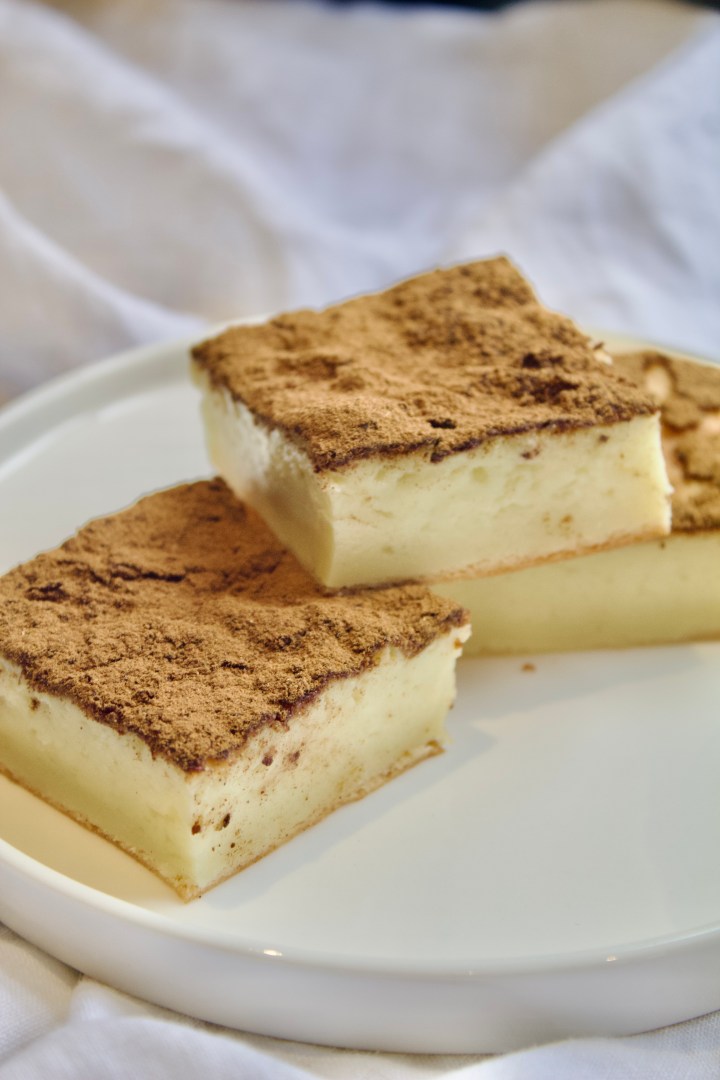
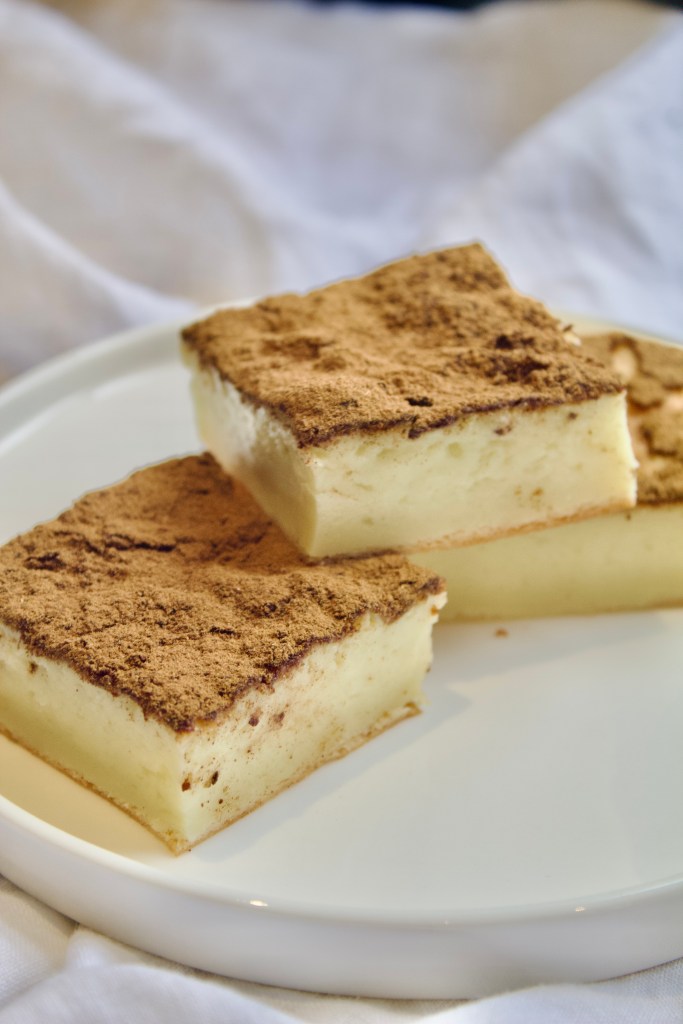
This is a crustless milk tart, easy to put together and produces one large (38cm x 26cm) or two medium (28cm x 20cm) tarts.
6 eggs 375ml sugar 90g butter, melted 375ml flour 7,5ml baking powder a pinch of salt 1,5litres of milk 15ml vanilla ground cinnamon
Preheat your oven to 180℃ and spray a 38cm x 26cm ceramic dish with cooking spray. Add the eggs and sugar to the bowl of a stand mixer fitted with the paddle attachment. Mix on medium-high speed for 2 minutes. Turn the mixer to a low speed and drizzle in the melted butter. Turn off the mixer. Sift the flour, baking powder and salt into the bowl and turn the mixer back on to a low speed until the ingredients are incorporated. Add the vanilla to the milk and drizzle the milk in to the batter with the engine running. Scrape the batter into the prepared ceramic dish. Bake in the oven for 1 hour. Take the milk tart from the oven and immediately sift over some ground cinnamon. Set aside for at least 30 minutes before slicing. Keep refrigerated.
200g self-raising flour 170g greek yoghurt Filling: 50g baby spinach 50g feta cheese, crumbed 30ml cream cheese, room temperature 1 clove of garlic, minced a few grindings of black pepper 40ml frozen peas, defrosted a handful of mint leaves, chopped
Add the flour and yoghurt to a mixing bowl and bring together. Knead the dough by hand for 5 minutes – you want a soft, bouncy dough. (Add more flour if you have to, but the dough becomes less sticky as you knead it). Cover with plastic wrap and set aside. Place the spinach in a bowl and pour boiling water over. Stand for 1 minutes, drain and squeeze the spinach as dry as you can get it, in a tea towel. Chop it up and add it to a bowl. Add the feta, cream cheese, garlic, pepper, peas and mint and mix together. Unwrap the dough and divide it into 4 equal portions. Make a ball from each portion and then press it into a circle with your fingers. Spoon a tablespoon full of filling in the centre and then bring in the edges and seal by squeezing it together. Turn the filled disc over and flatten out with your fingers until about 1,5cm thick. Set aside and repeat the process with the rest of the dough and filling. Place a non-stick pan on medium-low heat and add a small knob of butter. Place the flatbreads in the pan and cook for 4-5 minutes PER SIDE. Serve warm.
If you need to speed things up in the kitchen you may make this soup with store-bought stock and rotisserie chicken.
45ml olive oil 1 onion, finely chopped a small bunch of salad onion, chopped 1 clove of garlic, minced 1l chicken stock 2 eggs 60ml fresh lemon juice 375ml cooked rice 500ml cooked chicken breast, shredded
Place a saucepan on medium-high heat and add the oil, onion and salad onion. Cook until the onion is soft and translucent. Add the garlic and stir-fry for 1 minute. Pour in the chicken stock and season with salt and pepper. Bring the mixture to the boil, turn down the heat and leave to simmer. Add the eggs, lemon juice and 60ml of the rice to a blender. Blend until smooth. Keep the blender running and slowly pour in 250ml of the hot stock. Now pour this mixture into the stock mixture in the saucepan while stirring. Add the rest of the rice and the shredded chicken. Simmer the soup for 10 minutes, on a low heat (do not let it boil) until thick. Spoon into bowls and serve immediately.
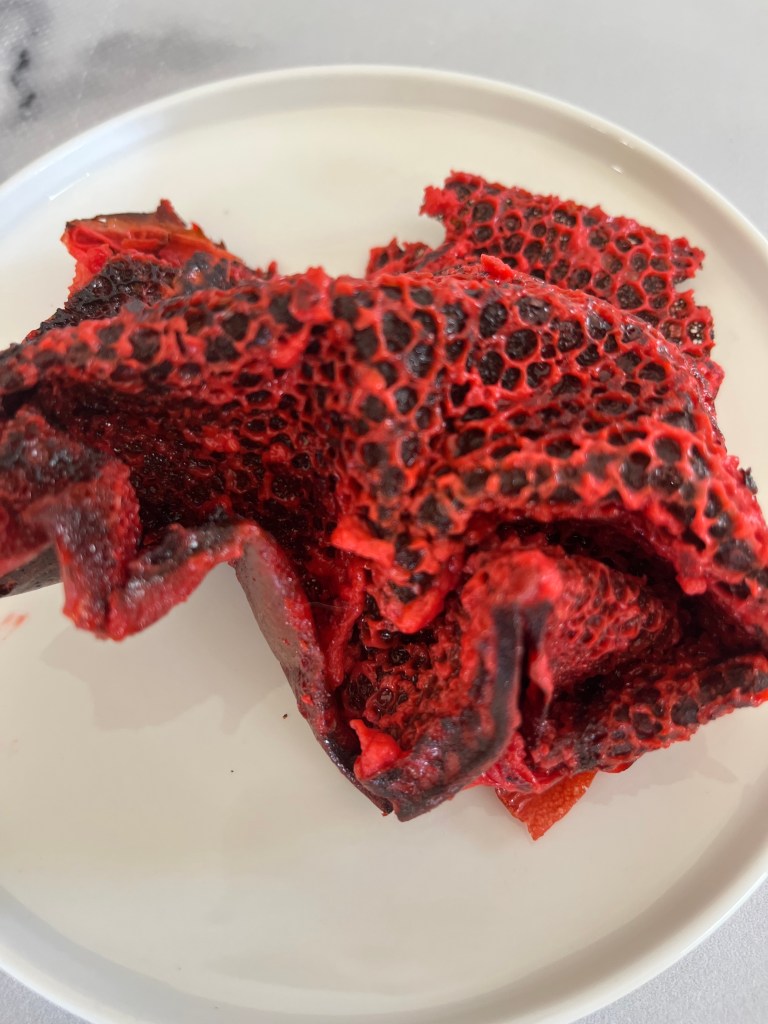
Steri Stumpie is a popular South African flavoured milk drink that comes in 350ml bottles. The South African chef Jan Hendrik van der Westhuizen caused a stir when he cooked a pancake from this drink. Now is your chance to give it a try…
1 x 350ml Steri Stumpie of your choice, for one pancake
Pour the flavoured milk in to a frying pan set over a medium heat. Bring to a simmer and wait…… Regulate the heat so that the milk cooks/evaporates but does not burn. As long as the “pancake” sits/sticks to the pan, it is not cooked. Remove from the heat once done and puff/fold into an interesting abstract shape. Enjoy with another Steri Stumpie to wash it down????
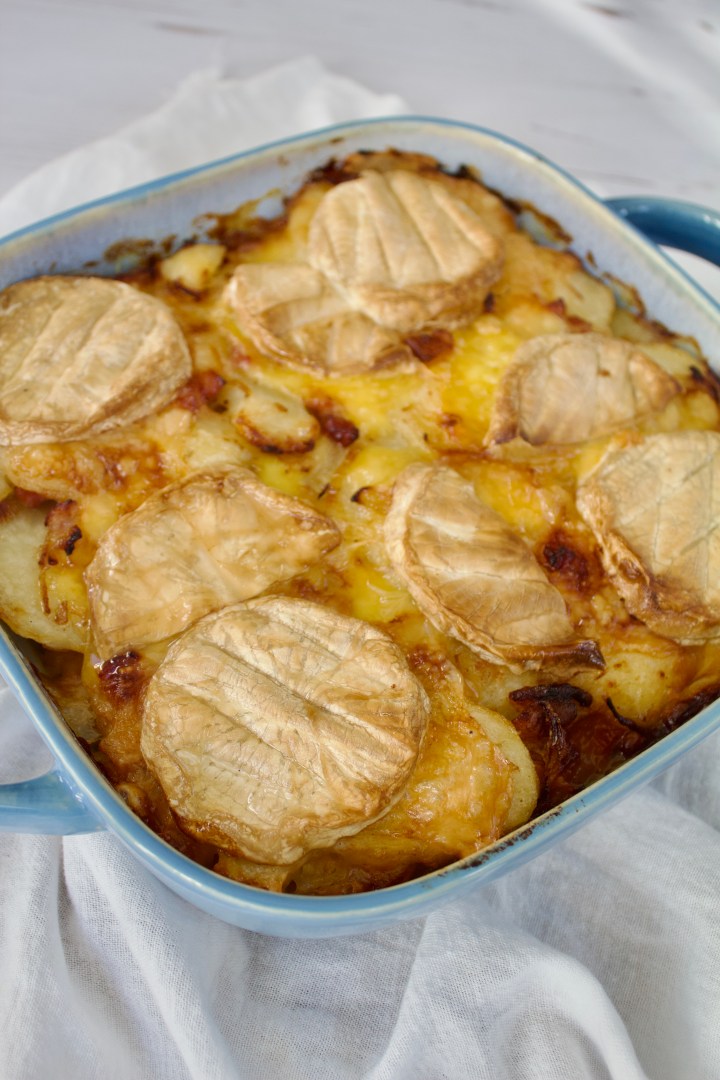
1kg potatoes 200g bacon, diced 30g butter 2 onions, thinly sliced 125ml dry white wine 125ml cream 450g soft rind cheese of your choice, I used Camembert, traditionally Reblochon is used
Peel the potatoes and slice them into 1cm thick rounds. Add the potato to a large saucepan and pour in enough cold water to cover. Season the water with salt and bring to a gentle simmer. Cook until the rounds are just tender – about 25minutes. Drain the potato rounds and return to the saucepan. Set aside. Preheat your oven to 180℃. Place a saucepan on medium-high heat and add the bacon. Lower the heat once the fat renders, add the butter and cook for 5 minutes. Add the onions, season with salt and pepper and cook until soft and translucent. Add the wine and cook for a further 2 minutes. Add the potato rounds and mix through. Pour the cream over and mix again. Spoon the mixture into an ovenproof dish. Slice the cheese into halves, horizontally and arrange on top, cut-side down. Bake in the oven for 40 minutes – the cheese should be melted, bubbling and golden brown on top. Serve immediately.
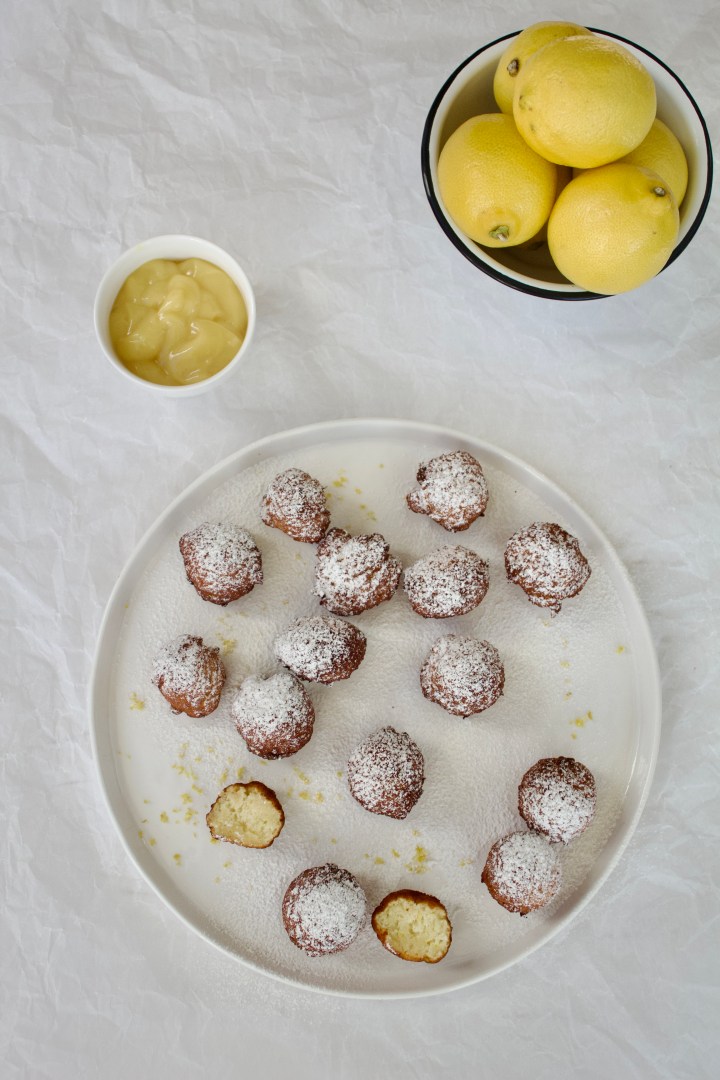
The recipe yields a small batch of around 16 small donuts. Feel free to double-up!!
80ml greek yoghurt 45ml lemon curd 10ml lemon zest 190ml self-raising flour vegetable oil for deep frying icing sugar
Add the yoghurt, lemon curd and zest to a mixing bowl and mix together. Add about two thirds of the flour and mix through. You should have a very thick, sticky dough. To test the consistency, break off a piece and roll between your palms. If you can’t form a ball and the dough is too sticky, add sour flour, mix again and give it another try. You want as little flour as possible so that you produce a light, airy donut. Scoop up 15ml of the dough with a measuring spoon and roll between your palms to make a ball. Place the balls on a tray lined with baking paper. Pour some vegetable oil about 5cm deep, into a small saucepan. Heat to 170℃. Add the donuts to the preheated oil and fry in batches until golden brown. Drain on kitchen paper. Arrange on a serving plate and dust with icing sugar.
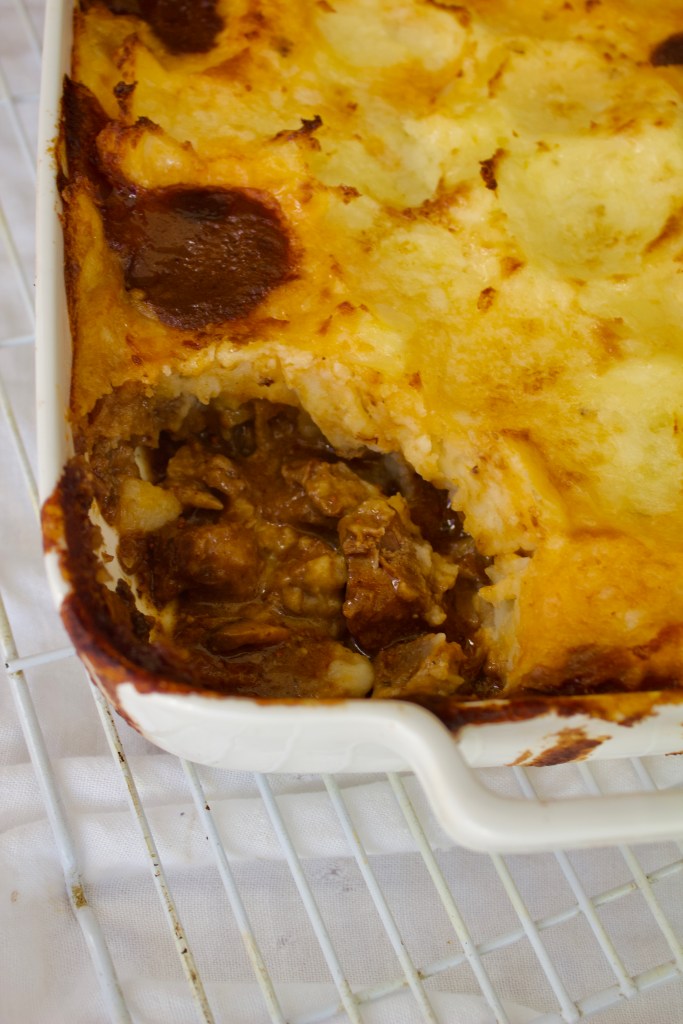
Add the cubed beef to a bowl and sprinkle over the flour. Season with salt and pepper and toss to coat. Place a saucepan over medium-high heat and pour in the oil. Cook the beef in 3 batches, for 5-6 minutes or until browned all over. Spoon the beef into a bowl and keep on the side. Add the onion to the saucepan and cook until translucent. Add the garlic and paprika and stir-fry for one minute. Add the tomato paste, mustard and stock and bring to the boil. Return the beef to the saucepan, reduce the heat to low and cover with a lid. Simmer the beef for one hour, stirring every now and then. Preheat your oven to 200℃. Remove the lid, add the mushrooms and simmer without a lid for 30 minutes more. Remove the saucepan from the heat and stir in 80ml sour cream. Spoon the mixture into an ovenproof casserole dish. Cook the potato until very soft, drain and return to its saucepan. Add the remaining 80ml sour cream and half of the cubed butter and mash together. Season the mashed potato with salt and pepper. Spoon the potato on the beef and spread it evenly to cover the beef. Dot with the remaining butter and bake in the oven for 30 minutes. Stand the pie for 10 minutes before serving.
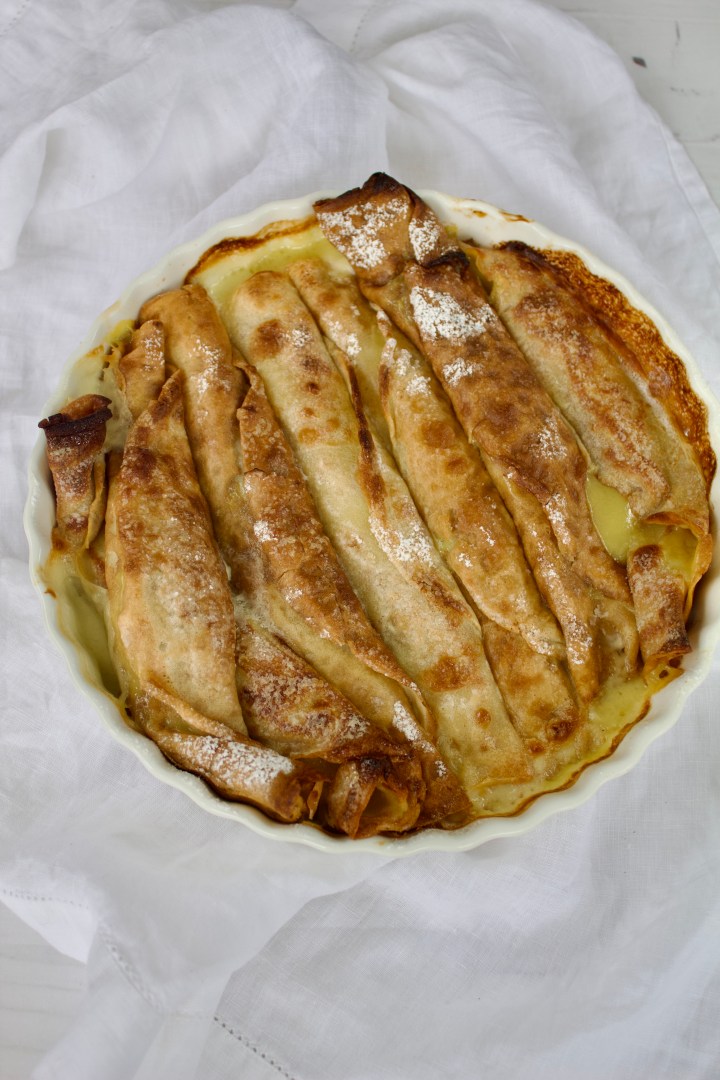
This entire dish can be put together with store-bought/ready made components. For those of you that like to slave away in the kitchen, here are the recipes.
Pancakes/Crêpes: 250ml flour 1,2ml baking powder 2,5ml salt 250ml milk 125ml water 62ml vegetable oil 2 eggs
Add the flour, baking powder and salt to a bowl of a stand mixer fitter with the whisk attachment. Add the milk, water, oil and eggs to a jug and whisk together by hand until the eggs are fully incorporated. Turn the mixer on low speed and slowly drizzle in the milk mixture. Set the mixer on its highest speed and whisk for 2 minutes. Take the bowl from the mixer and check whether there are any lumps in the batter. If there are, set a sieve over a large bowl and pour through. Cover with a tea towel and set aside to rest for an hour. Place a crêpe pan on medium-high heat, wait for it to warm up and pour a few drops of oil into the pan. Spoon a soup ladle full of batter into the pan and swirl around to cover the surface. Cook for a minute or two, flip the crêpe over and cook for another minute or so. Keep going until you have no batter left. Cover the crêpes and allow to cool completely.
Lemon curd: grated zest of one lemon 220g caster sugar 110g butter, cubed 125ml lemon juice, strained (about three lemons) 3 eggs, lightly beaten
Add the zest, sugar and butter to a small saucepan and set over the lowest heat. Stir the mixture until the butter has melted and the sugar has dissolved. Add the lemon juice to the saucepan and stir through. Now add the egg and keep stirring until the mixture is thick enough to coat the back of a spoon. Take the curd from the heat and pour into a glass jar. Allow to cool completely.
Putting the dish together: Preheat your oven to 200℃ and butter a ceramic tart dish. Spoon 2-3 teaspoons of lemon curd on a crêpe and spread it with the back of a spoon. Roll the crêpe up and place it in the ceramic dish. Keep going until all the crêpes are filled. Pour the cream over the pancakes and sift the icing sugar over. Bake in the oven for 20 minutes. Serve warm.
Line a container that is about 20cm x 14cm with baking paper.
Pour 250ml milk into a small bowl and add the cornstarch. Whisk together until the cornstarch has dissolved. Set aside. Pour the other 250ml milk into a small saucepan and add the sugar. Place over medium-low heat and cook for 3-4 minutes while stirring. The milk should be warm but it should not come to the boil. Now, whisk the cornstarch mixture while slowly pouring it into the saucepan. Stir continuously for about 4 minutes until the mixture is very thick. Pour the mixture into the prepared container and allow to cool completely – about 2 hours. Add the desiccated coconut to a shallow bowl. Lift the milk pudding out of the container with the paper and cut into small squares. Roll each square in the coconut to coat. Keep in a sealed container in the refrigerator for 2-3 days.