I love eating a slice of toasted sourdough bread with fresh toppings for breakfast. It puts me in the “health” mood and sets the tone for the rest of the day. In the case of these breakfast toasts, it is the Greek Pesto that brings it all together and does all the tasty work!! Feel free to add your own combinations and toppings and drizzle generously with the pesto!!!
3 slices sourdough bread, toasted 1 x recipe Greek Pesto from this blog tomato, chopped onion, chopped 2 hard-boiled eggs, sliced sliced cucumber
Toast the bread and spread a generous amount of the pesto onto it while still warm. Top with your preferred topping and drizzle with more pesto.
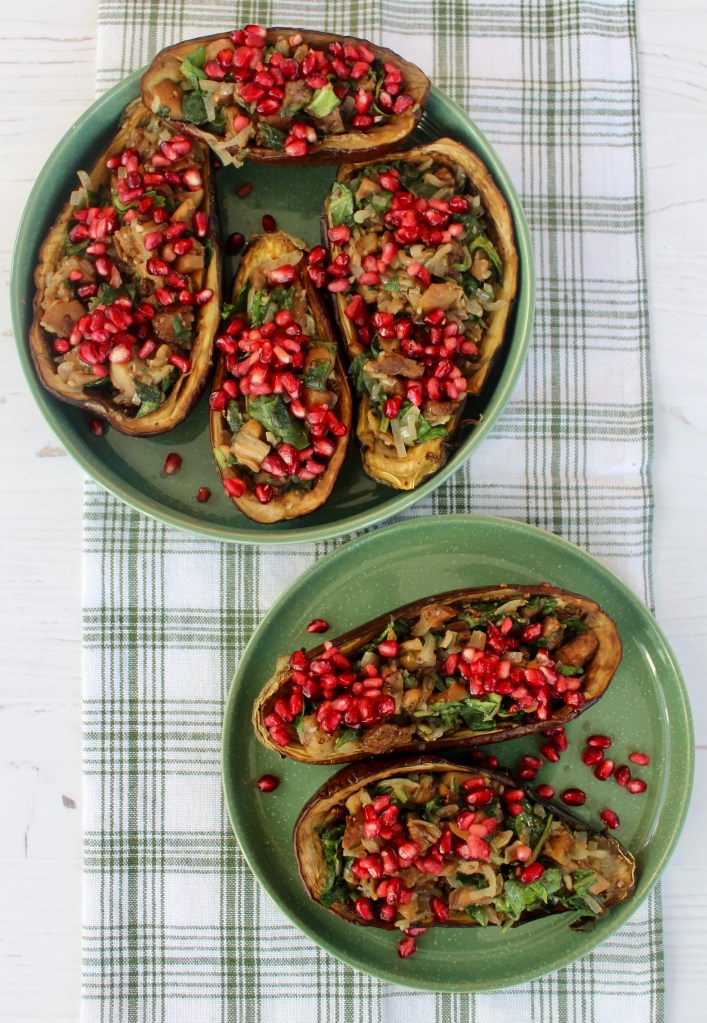
This is a lighter, healthier version of the traditional Greek Papoutsakia with all its tomato and cheese. The recipe is vegan and is a wonderful way of boosting one’s fibre intake.
Preheat your oven to 190℃. Cut the aubergine in half lengthwise. Insert a small sharp knife 0,5cm from the skin on the cut side and cut around the outside of the aubergine, taking care not to break the skin. Now score a diamond pattern on the flesh, cutting as deep down as you can without piercing the skin. Gently loosen and scoop out the flesh. Place the halved aubergine on a baking sheet and set aside. Set a frying pan over medium-high heat and add the olive oil to it. Add the onion and fry until soft. Add the garlic and stir-fry for another minute. Turn the heat down to medium and add the thyme, zucchini, baby spinach and chopped aubergine flesh that you scooped out earlier. Cook until the spinach is wilted – about 3 minutes. Remove the pan from the heat and spoon the mixture into the aubergine halves. Place the baking sheet in the oven and bake for 30 minutes. Scatter a handful of pomegranate seeds on the baked aubergine and serve.
This cake is a good example of how something very plain can be absolutely fabulous!! The texture is fine and dense, there is a faint reminder of last summer’s olive harvest and the most perfect accompaniment to a cup of Greek coffee!! I do hope you try it soon…
3 eggs 190ml sugar 125ml olive oil – choose an oil of which you really like the flavour! 125ml milk 2,5ml vanilla 1,2ml almond extract 375ml flour 7,5ml baking powder 2,5ml salt
Preheat your oven to 180℃ and spray a 20cm diameter cake tin with cooking spray. Coat the inside of the tin with flour. Set aside. Add the eggs and sugar to the bowl of a stand mixer fitted with the whisk attachment and beat at high speed for 30 seconds. Drizzle in the olive oil with the machine running. Add the milk in a thin stream and beat until combined. Lower the speed of the mixer and add the vanilla and almond extract. Add the flour, baking powder and salt to a mixing bowl and mix together with a whisk. Add the flour mixture a spoonful at a time, with the mixer running on low speed. Beat until combined before adding more flour and stop the mixer often to scrape down the bowl. Scrape the batter into the prepared cake tin and bake between 30-35 minutes, until a cake tester comes out clean when inserted into the centre of the cake. Remove the cake from the oven and allow it to cool for 5 minutes. Remove it from the cake tin and cool completely on a wire rack. Brush the cooled cake with fresh olive before serving.
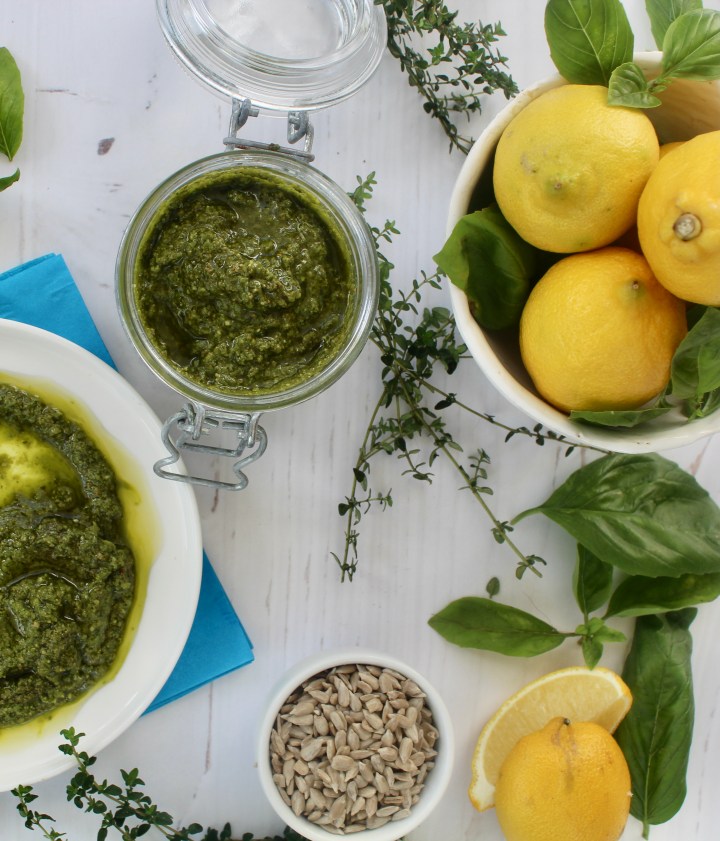
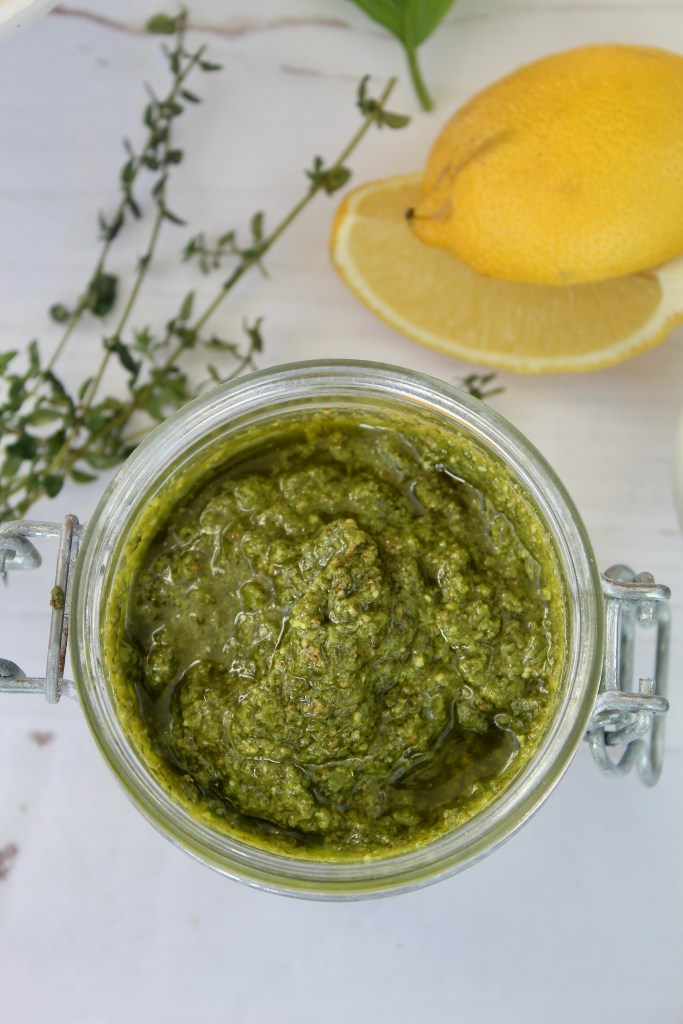
A much lighter pesto than what normally pops up under the name but truly refreshing with a wide range of foods. I especially like to thin the pesto down with olive oil and lemon juice and utilise it as a salad dressing.
500ml basil leaves, tightly packed when measured 80ml thyme/oregano leaves 3 cloves of garlic, minced 60ml pine nuts salt juice of one lemon about 125ml – 250ml olive oil, depending on the consistency you are after
Add the basil, thyme, garlic, pine nuts, lemon juice and a pinch of salt to the bowl of a blender . Drizzle in 125ml olive oil with the machine running and process the mixture until very finely minced. Scrape down in between blitzing so that you get all of the bits. The additional olive oil may also be added now, depending on the consistency you want – it can always be thinned down at a later stage. Taste the pesto and adjust the seasoning/salt. Store the pesto in a glass jar in the refrigerator.
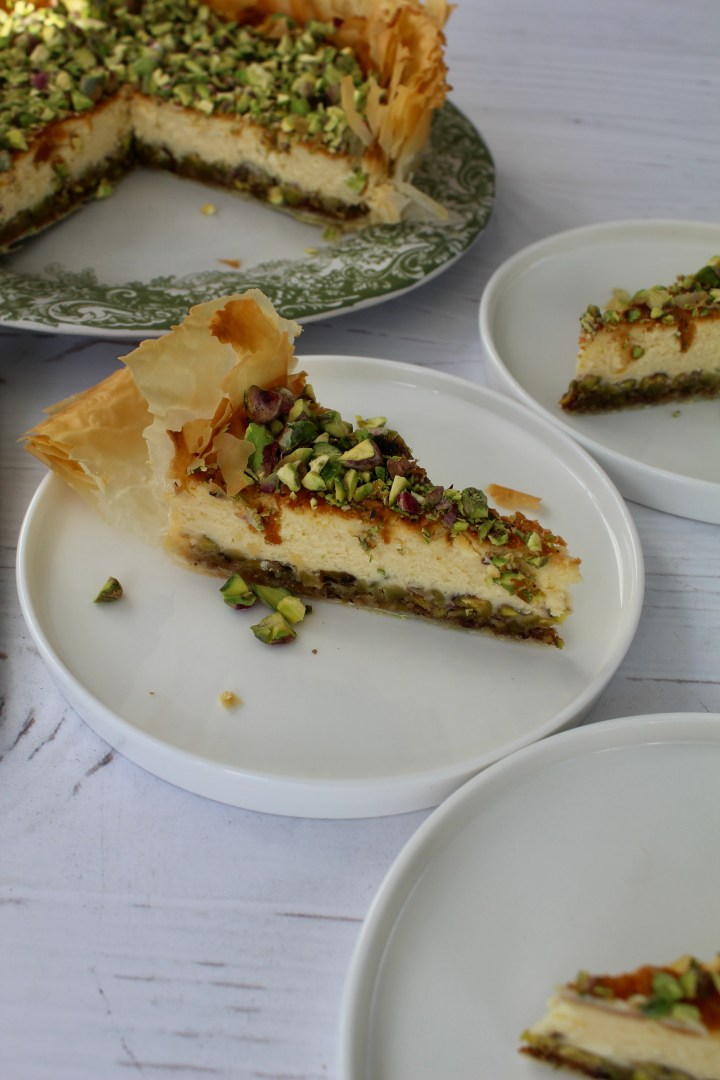
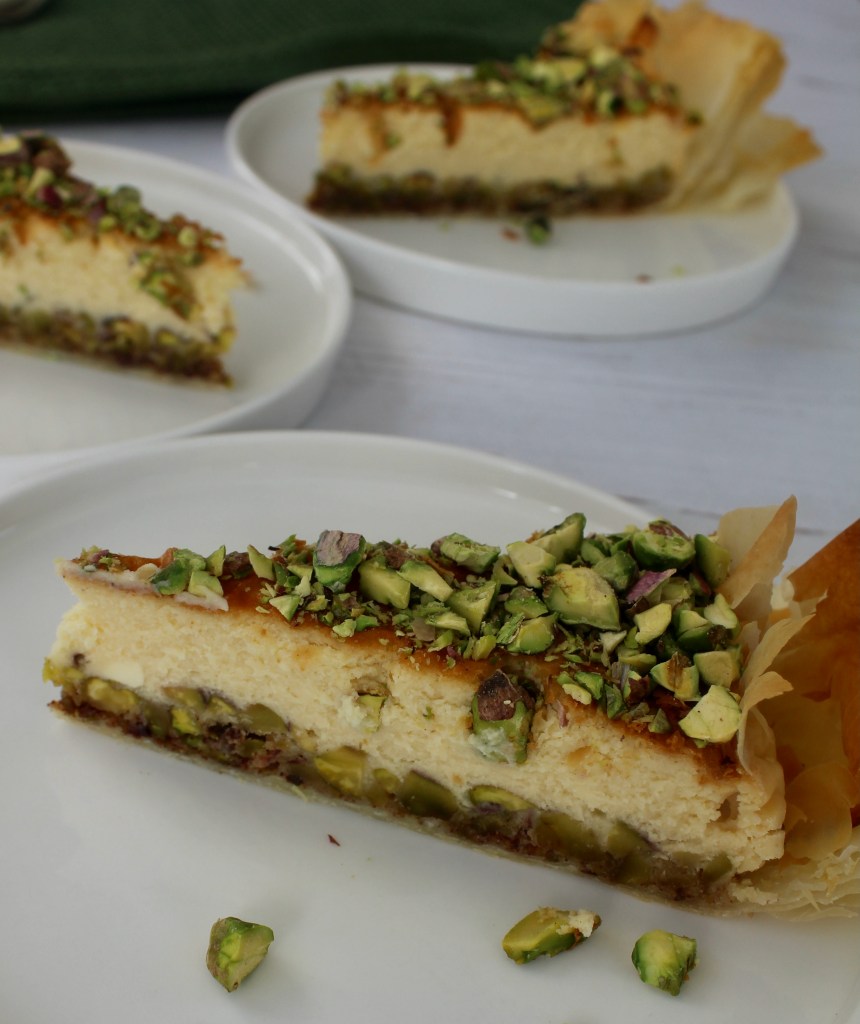
Preheat your oven to 220℃ and lightly spray a 22cm loose-bottom cake tin with cooking spray. Place the cake tin on a baking sheet. Place one sheet of phyllo in the cake tin and very lightly press it onto the bottom and sides of the pan, leaving the extra pastry as an overhang at this stage. Brush the pastry with the melted butter. Do the same with the 11 other phyllo sheets, brushing each and rotating the sheets slightly so that the corners are staggered. Set aside. Add 250ml chopped pistachio, sugar, ground cinnamon and allspice to a mixing bowl and stir to mix. Sprinkle the mixture evenly over the phyllo in the cake tin. Place in the oven and bake for about 7 minutes or until the edges of the pastry are golden. Remove and cool on a wire rack. Turn your oven temperature down to 170℃. Add the cream cheese and mascarpone to the bowl of a stand mixer fitted with the paddle attachment. Turn the mixer on to a low speed and mix until the mixture is smooth. Add the honey, milk and flour with the machine running. Finally add the eggs and, still on low speed, beat until just blended. Pour the batter into the phyllo crust and bake for 1 hour or until the centre of the cheesecake is barely set. Cool the cake on a wire rack for at least an hour and then cover with plastic wrap. Refrigerate the cake overnight. Take the cake from the baking tin and sprinkle with the 250ml chopped pistachio to serve.
Roosterkoek is a traditional South African bread roll that is cooked on an open fire. It is smoky, slightly charred and heaven-in-a-bite when eaten slightly warm with butter. This recipe makes about 10 – 12 roosterkoeke.
1kg bread flour 15g instant yeast 15ml salt about 700ml lukewarm water
Add the flour, yeast and salt to the bowl of a stand mixer fitted with a dough hook. Turn the mixer on to a low speed and add just enough water to make a stiff dough. Knead on medium speed for 5 minutes until the dough is elastic and smooth. Lightly oil a clean mixing bowl, place the dough in it and cover with a clean tea towel. Proof the dough for 90 minutes. Knock the dough back and roll it to a 2cm thickness on an oiled work surface. Cut the rolled dough into roughly 10 – 12 equal sized pieces. Place the pieces of dough about 5cm apart on an oiled baking sheet. Cover with a tea towel and set aside to rise while you get your break/outdoor fire ready.
Brush the griddle with a thin layer of vegetable oil and wait for any flair-ups/flames to die away. Cook the Roosterkoek on a medium-warm fire for 10 minutes before turning them over for another 10 minutes cooking time. Serve slightly warm with butter and your choice of filling.
Cook the spaghetti and set aside. Make zucchini strips by placing a zucchini on a chopping board and running a vegetable peeler over the length of it. Pull as many strips as you can, flipping the zucchini from time to time. Keep the zucchini strips aside. Pour a small amount of vegetable oil in a saucepan, add the bacon and cook over medium heat for about 6 minutes. Add the garlic and cook for another minute. Remove the bacon and garlic from the pan and set it aside. Pour the cream in the same saucepan and bring it to a simmer. Add the egg yolks one at a time while whisking continuously. Add the parmesan and zucchini strips and simmer for about 2 minutes. Now add the bacon and cooked spaghetti and toss through. Serve the pasta with more grated parmesan and an egg yolk on top.
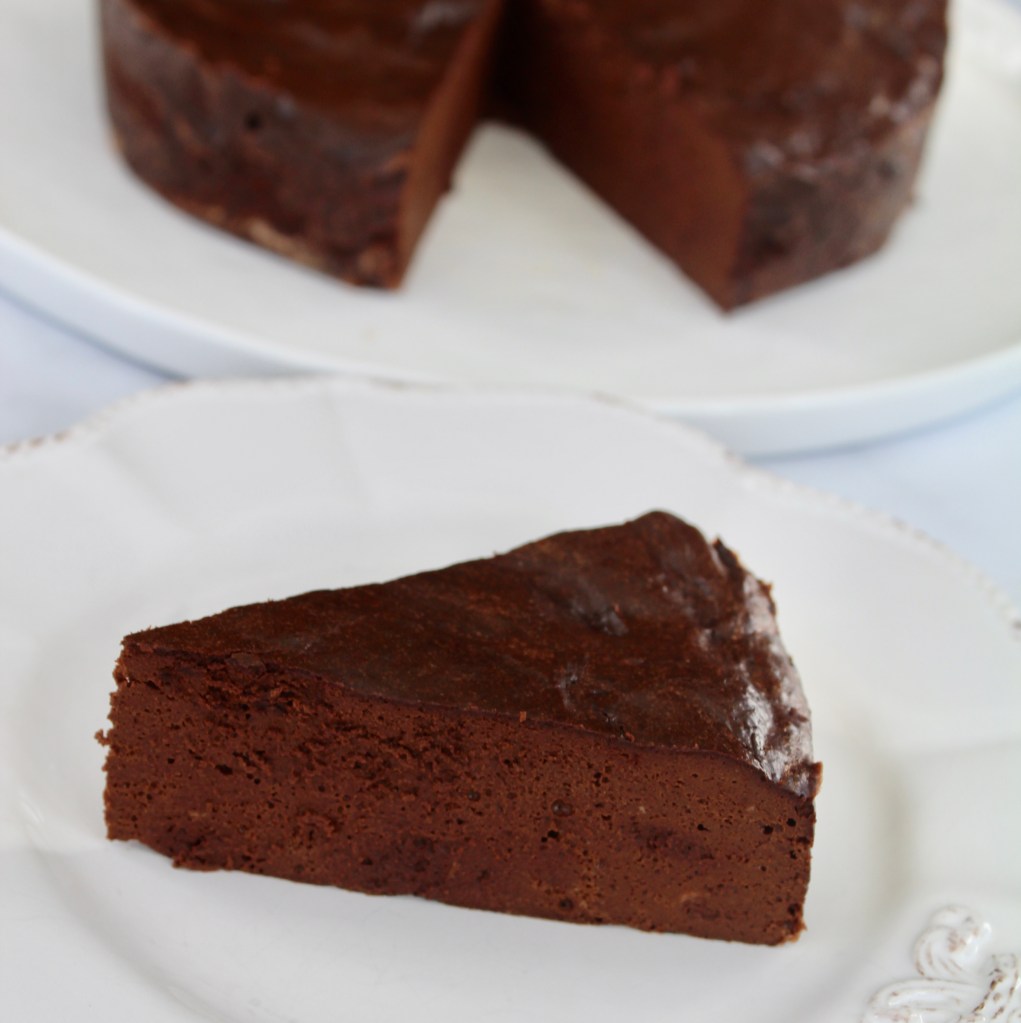
You will keep this recipe as a quick and delicious go-to whenever you are in need of a dessert, something sweet or a treat. The taste is dramatically altered by the chocolate of your choice … choose wisely!!
Preheat your oven to 170℃ and line a 18cm cake tin with baking paper. Cover the bottom and about half way up, of the cake tin with tin foil and place the tin in a roasting dish. Put aside. Melt the chocolate in a heatproof bowl set over a saucepan of barely simmering water. Stir until completely melted and remove from the heat. Allow to cool slightly. Add the cream cheese and egg yolks to a mixing bowl and beat with an electric beater. Drizzle in the cooled chocolate and mix until blended. Add the egg whites to a clean mixing bowl and beat until stiff peaks. Stir about a third of the whites into the chocolate mixture to lighten it. Add the rest of the whites and gently fold through until no trace of white is visible. Gently scrape the mixture into the prepared cake tin and level the surface with a spatula. Now pour very hot water from the TAP into the roasting tray so that the water reaches about 3cm. Place the cake in the oven and bake for 15 minutes. Lower the temperature to 160℃ and bake for another 15 minutes. Turn the oven off and leave the cake inside for another 30 minutes before removing it from the baking tin. Serve the cheesecake slightly warm with a chocolate sauce.
2kg chicken, portioned 1 fresh chilli 2 cloves of garlic, minced 5ml chilli flakes 15ml smoked paprika 10ml dried oreganum 2,5ml dried thyme or 5ml fresh thyme leaves 60ml lemon juice 30ml vegetable oil 30ml brown sugar 2 red onions 500g potatoes a handful of parsley, roughly chopped
Preheat your oven to 200℃. Place the chicken pieces in a roasting tray, season with salt and pepper and set aside. Chop the chilli finely and add it to a small bowl with the garlic, chilli flakes, smoked paprika, oregano, thyme, lemon juice, vegetable oil and sugar. Stir to combine. Drizzle the spice mixture over the chicken pieces. Turn the pieces and smear the spices over the chicken with your hands. Peel the onions and cut into wedges. Cut the potato into quarters. Add the onion and potato to the roasting dish and mix through with your hands. Place in the oven and roast for 50minutes. Take the chicken from the oven, sprinkle with the parsley and serve with a crisp salad.
Beignets are French doughnuts that are really easy and straightforward to make. Once you have tasted a fresh, warm beignet it will become your favourite in-between treat!
190ml warm water 62ml + 62ml sugar 10g instant yeast 1 egg 125ml milk 10ml vanilla 4 X 250ml flour 5ml salt 45ml butter, very soft vegetable oil for frying icing sugar to dust
Pour the warm water into the mixing bowl of a stand mixer fitted with the dough hook. Add 62ml sugar and sprinkle the yeast on the water. Stir until the sugar has dissolved. Whisk the egg, milk, vanilla and remaining 62ml sugar together in a small mixing bowl and add it to the yeast mixture. Turn the mixer to a slow speed and gradually add the flour and salt. Add the butter and incorporate. Increase the speed to medium and mix/knead for about 4 minutes, until the dough comes together in a ball. Place the dough, which will be very soft, in a lightly oiled bowl, cover with plastic wrap and leave to rise for about 2 hours or until doubled in size. Pour about 5cm of oil into a saucepan and place on the heat. The ideal temperature is 179 – 180℃. Lightly dust a work surface with flour and roll the dough to a thickness of about 1,5cm. Cut into 5cm X 5cm squares and fry until golden. Dust the warm beignets with icing sugar. Serve with another dusting of icing sugar and a cup of coffee.












 My Whisk and I