Soft Milk Rolls

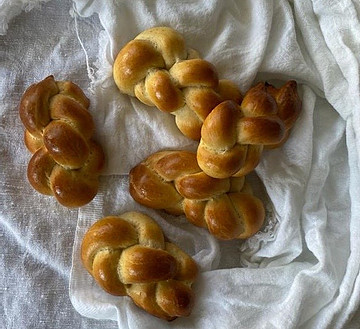
These milk rolls are soft and incredibly diverse. Dress them up as dinner rolls, a picnic roll with a spread like tapenade, plated rolls for cocktails or pumpkin shaped rolls for the younger ones.

15g instant yeast

300ml water, lukewarm

60ml milk powder

45ml sugar

7,5ml salt

1 egg

45g butter, melted

600g bread flour

Topping:

1 egg

15ml milk

5ml sesame seeds

5ml poppy seeds
Pour 300ml lukewarm water into a mixing jug and sprinkle the yeast over.

Add the milk powder, sugar, egg and melted butter to the mixture and give it a good mix with a spoon.

Add the bread flour and salt to the bowl of a stand mixer.

Turn the mixer onto low speed and add the water.

Now turn the mixer onto medium speed and knead for 5 minutes.

Oil a clean mixing bowl and place the dough into it. Cover with plastic wrap and leave

to rise to double the volume.

Preheat your oven to 200℃.

Knock down the dough and divide it into 30g pieces for the dinner rolls and 60g pieces for the picnic ring.

Grease a 20cm X 20cm baking tin for the dinner rolls and a loose-bottomed cake tin for the picnic roll.

Place the shaped dough balls half a centimetre apart in the baking vessel.

Mix the egg and milk in a small bowl and brush it over the dough. Sprinkle the seeds on top and leave to stand for 15 minutes.

Bake the rolls for 15 – 20 minutes.

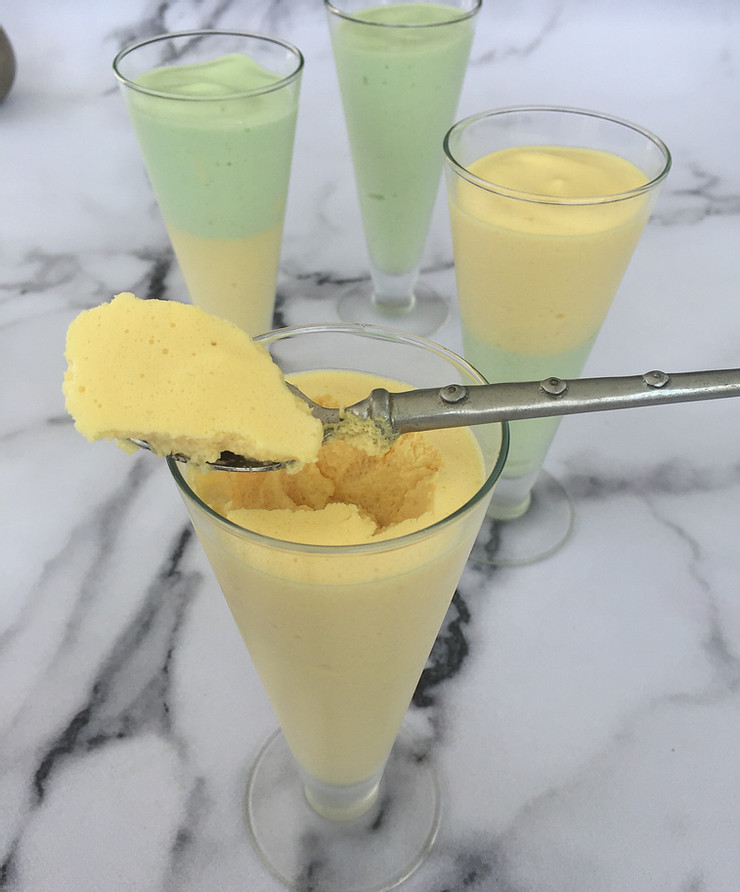
Jelly-Mousse

This dessert is from a very old handwritten recipe book I have had forever. It personifies simplicity, nostalgia and effortless eating. Go retro and give it a try, you will be pleasantly surprised by what three ingredients can achieve!

380g tin of evaporated milk

2 X 80g packets of jelly powder

250ml boiling water

Place the tin of evaporated milk in the refrigerator for at least 8 hours.

Pour 250ml boiling water into a mixing bowl and dissolve the jelly powder in it. Set aside and allow it to cool to room temperature, but do not allow it to start setting.

Decant the cold evaporated milk into another mixing bowl and beat it with an electric mixer until stiff peaks form.

Scoop spoonfuls of the evaporated milk into the jelly mixture and fold it through with a metal spoon. Keep going until well incorporated.

Pour into serving bowls and place in the refrigerator for four hours, until set.

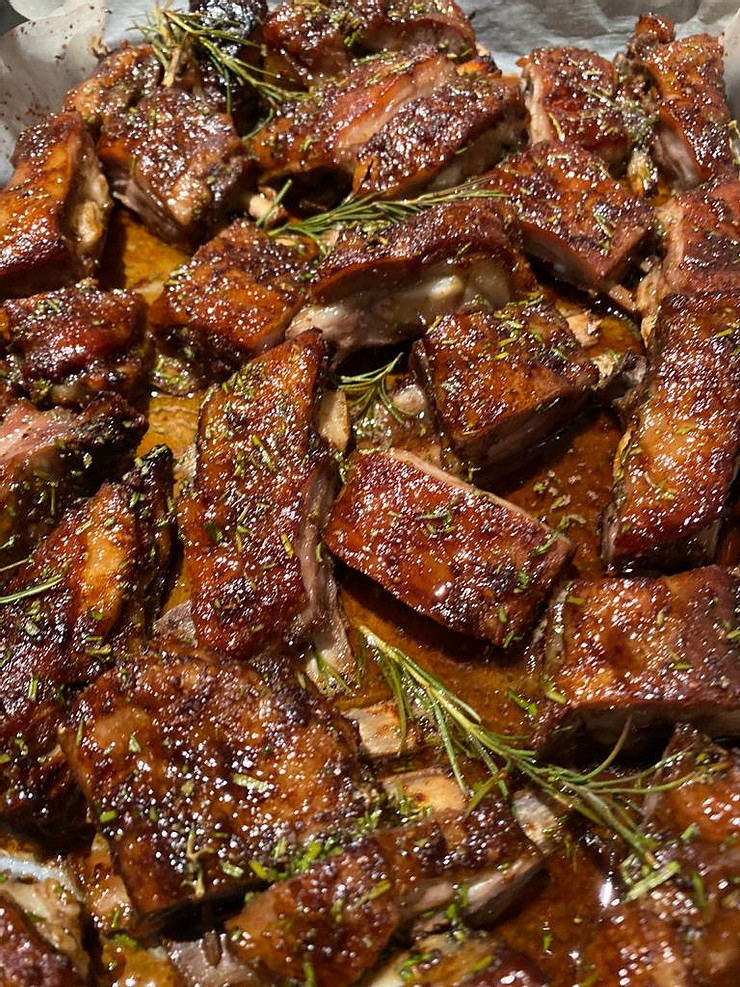
Sticky Lamb Short Ribs

Whether you are cooking short ribs in the oven or outside on a fire, this is an easy method to ensure more-ish, lip-smacking lamb that will have everyone coming back for seconds.

2 racks of lamb short rib

15ml wholegrain mustard

15ml garlic salt

15ml smoked paprika

30ml balsamic vinegar

45ml rosemary, chopped

62ml honey

30ml brown sugar

Mix the mustard, garlic salt, paprika and balsamic vinegar in a small bowl.

Brush this mixture over the racks, completely covering it and place the racks in a large roasting tin.

Cover the tin tightly with aluminium foil and leave to stand at room temperature for at least an hour.

Preheat your oven to 180℃, even if you plan to cook the lamb on an open fire outside.

Bake the ribs for two hours.

Remove the ribs from the oven. If you are finishing them in the oven, turn the oven up to 225℃.

Remove the foil and cut the racks into individual portions.

Line a clean baking tray with baking paper.

Mix the chopped rosemary, honey and brown sugar in a small bowl. Brush the glaze onto the ribs, being generous about it!

Stick the roasting tin back into the oven for 5 – 10 minutes, until the meat is dark and sticky.

Sweet Potato and Spinach Salad

I do admit, it is very unusual to have raw sweet potato in a salad but the Yoghurt salad dressing transforms this salad to a crisp, nutritious and fabulously delicious meal.

Yoghurt Salad Dressing:

250ml plain yoghurt

125ml sour cream

125ml buttermilk

3 – 4 cloves of garlic, minced

5ml salt

30ml red wine vinegar

60ml honey

Add all the ingredients to a glass jar and shake well to amalgamate.

Store leftover dressing in the refrigerator and enjoy with other salads.

200g baby spinach leaves

250ml grated sweet potato; about one large sweet potato

250ml cubed apple

250ml cubed pear

125ml pecan nuts, roughly chopped

125ml dried cranberries

125ml Yoghurt Salad Dressing

Wash and peel the sweet potato and grate it coarsely into a mixing bowl.

Immediately pour on the Yoghurt Salad Dressing to prevent it from oxidising.

Cube the apple and pear with skins on and add to the sweet potato. Mix through.

Add the pecan nuts and cranberries and give the ingredients another mix.

Lay the spinach leaves onto a serving platter and spoon the mixed ingredients on top.

Serve with fresh bread and a fruity glass of white wine.

Traditional Fruit Cake

If you like fruit cake packed to the brim with fruit and nuts, this is the one for you! I lace mine with plenty of brandy which matures and ripenes the cake and really brings out the caramel flavours of the fruits.

Although fruit cake is traditionally served on Christmas Day I prefer to serve mine in the run-up of silly season: it is absolutely delicious when served with a good Gorgonzola cheese after dinner. Bake more than one and tie a ribbon around it….it makes a wonderful gift.

Ripen your fruit cake by wrapping it in a double layer of aluminium foil and then storing it in a plastic container. Open the cake once a week and drizzle about 45ml of brandy on the surface. Wrap it up tightly and repeat the next week. The cake will literally keep for months if kept wrapped in the foil.

Fruit:

1kg mixed raisins, currants and sultanas.

150g glazed cherries, red and green

125ml pecan nuts, roughly chopped

250g dates, chopped roughly

125ml brandy

Mix the fruits together in a large mixing bowl and sprinkle over the brandy. Cover with plastic wrap and leave to stand overnight.

For the cake:

250g butter

250g brown sugar

6 eggs

45ml apricot jam

Dry ingredients:

750ml cake flour

2,5ml salt

2,5ml mixed spice

2,5ml cinnamon

2,5ml nutmeg

2,5ml ground ginger

10ml baking powder

Preheat your oven to 150℃.

Line a 22cm cake tin or a medium sized bread tin with baking paper.

Add the butter and sugar to the bowl of a stand mixer fitted with the paddle attachment and cream the mixture.

Add the eggs, one at a time and then add the jam. Mix to incorporate thoroughly.

Add the dry ingredients to a separate mixing bowl and stir through.

Sprinkle about two thirds of this onto the fruit mixture and mix through.

Add the rest of the flour to the butter mixture and mix.

Now add the butter mixture to the fruit and flour mixture. Mix through with a spatula until there are no trace of flour. Keep mixing, it will all be absorbed.

Spoon the mixture into your prepared baking tin and level with the back of a spoon.

Bake for 3 hours.

Cool the cake in it’s tin on a cooling rack until completely cold.

Wrap the fruit cake in a double layer of aluminium foil and store it inside a large plastic container.

Drizzle the fruit cake twice a week, with either brandy, sweet dessert wine or fruit juice.

Oat-and-Seed Rusks

These rusks remind me of energy bars because they are so full of seeds and nuts, but of course much more substantial. The recipe yields about 80 fingers/rusks.

1kg Nutty Wheat (make your own by mixing plain flour and wheat bran in a 5:1 ratio)

250ml X 4 rolled oats

250ml X 2 seeds and nuts (take your pick from sunflower, pumpkin, sesame, linseed, chopped pecan or almonds; I used sesame and linseed seeds and chopped almonds)

250ml desiccated coconut

250ml brown sugar

7.5ml salt

15ml baking powder

400g butter, melted

3 eggs

500ml buttermilk

Preheat your oven to 180℃.

Grease 2 standard roasting tins and set aside.

Mix together the nutty wheat, oats, seeds and nuts, coconut, sugar, salt and baking powder.

Melt the butter and pour it over the dry ingredients. Mix this really well, incorporating the butter throughout the entire mixture.

Whisk together the eggs and buttermilk and add this to the flour mixture.

Mix the ingredients together with your hands, making sure to incorporate dry and wet really well.

Spoon the rusk mixture into the two greased tins and press it into the pan with the palm of your hand.

Now cut it into bars, about two finger’s width.

Bake for one hour.

Cool the rusks so that it is cold enough to handle.

Break up the pre-cut fingers and place them slightly apart on large baking sheets.

Dry the rusks in a 100℃ oven for about 3 hours.

Store in an airtight container.

Baked Gorgonzola-Pear

This is an idea, opposed to a recipe, for sprucing up a cheese platter and/or adding something with warmth. It is a brilliant idea for a dessert with a difference, if you and your company enjoy Gorgonzola cheese.

The amount of pears depend on what you want to do with it: one pear should serve 2 – 3 people if you are adding this to a cheese platter, whereas one pear per person will be needed if you are going the dessert route.

Gorgonzola cheese

Honey to drizzle the pears with

Two or three bamboo skewers per pear, for the baking process

Preheat your oven to 180℃.

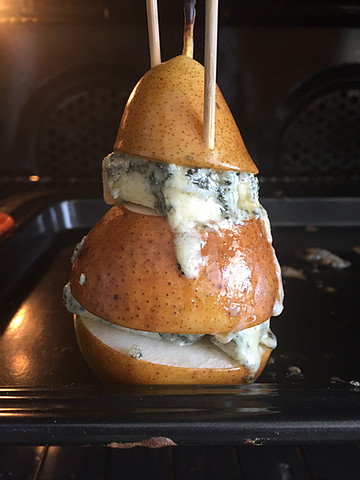
Cut the pear into three horizontal pieces.

Place a slice of Gorgonzola cheese, about 0,5cm thick in between each of the pear slices.

Once you have reconstructed the pear with the Gorgonzola slices, gently pierce it with one or two bamboo skewers in order to keep everything intact.

Place the pears on a baking sheet and bake for about 10 minutes or until the cheese has melted and is oozing out.

Transfer to a serving dish, remove the skewers and drizzle with honey.

Serve with fresh crusty bread.

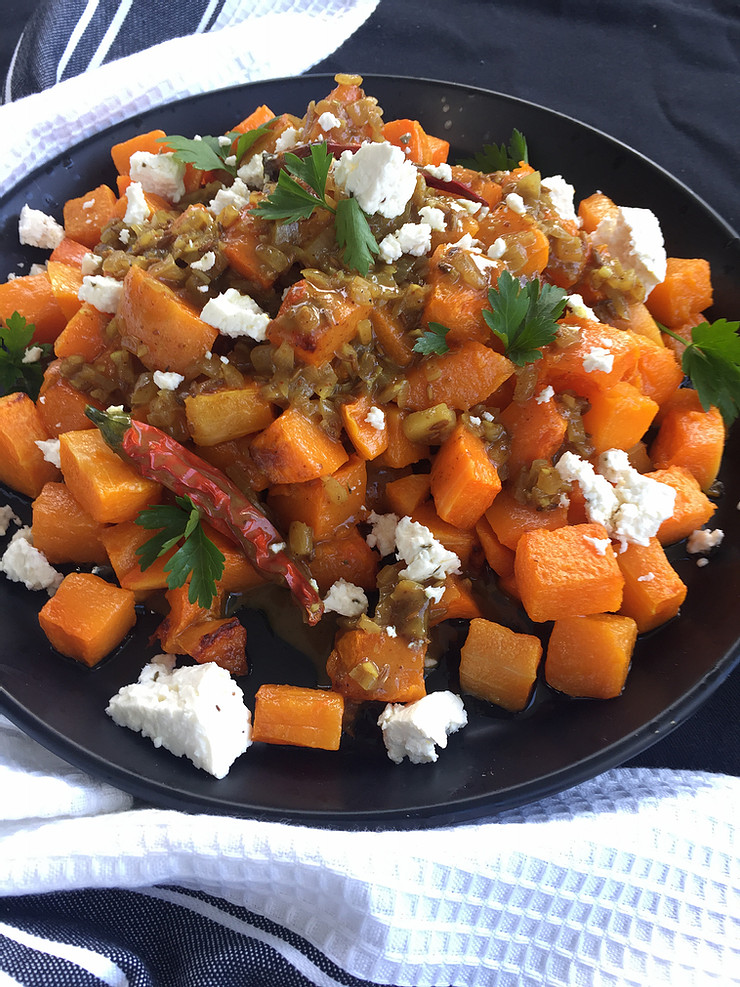
Coconut-curry Butternut

This roasted butternut with its coconut-curry sauce, sprinkled with feta cheese, makes a delicious vegetarian meal on its own but can easily be served as a side. It takes no effort to make and is truly more-ish!!

2 large butternut squash

about 120g feta cheese

Sauce:

60ml vegetable oil

1 onion, chopped

2 cloves garlic, minced

30ml brown sugar

10ml curry powder

5ml turmeric

5ml ginger

30ml cumin seeds

5ml coriander seeds

2 dried, red chillies

15ml soy sauce

15ml balsamic vinegar

200ml coconut milk

Peel the butternut and cut it into cubes of 1,5 X 1,5cm. Add the cubes to a roasting tin, drizzle with some vegetable oil, season with salt and roast at 200℃ for about 30 minutes or until soft and slightly caramelised.

Sauce:

Put a saucepan onto medium heat and pour in the oil.

Add the chopped onion and cook until soft and translucent.

Add the garlic and cook for 2 minutes.

Now add all the rest of the sauce ingredients, give the mixture a good whisk and simmer for 5 minutes.

Take the sauce off the heat and pour it over the roasted butternut.

Mix through and spoon the butternut onto a serving dish.

Sprinkle with some cubed feta cheese.

Serve warm or at room temperature.

Traditional Schupfnudein

Schupfnudeln is similar to Italian gnocchi but more sturdy and easier to panfry. It is delicious both savoury and sweet. To make a sweet variation, follow the recipe until the nudeln is fried in butter and then simply add custard, raspberry sauce or roll the nudeln in poppy seeds before pan frying.

800 – 900g potatoes

1 egg yolk

180ml cake flour

90ml cornstarch

salt, pepper, butter

Bake the potatoes with their skins on, until it can be easily pierced.

Scoop out the flesh of the potato while it is still warm and push it through a sieve with the back of a spoon.

Add the egg yolk, flour and cornstarch and mix through. Season the mixture to your taste.

Add small amounts of flour if you find the mixture too sticky.

Now, flour a work surface and shape the potato-dough into long logs about 3-4cm in diameter.

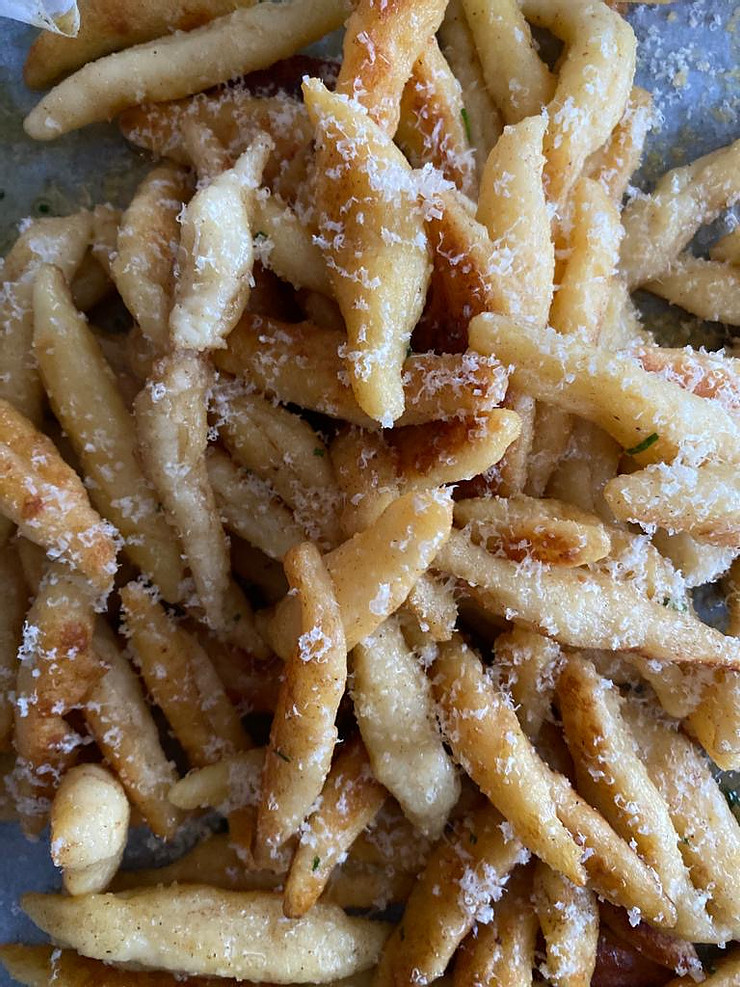
Cut the logs into 3 cm lengths and roll down the ends. (See photograph for shapes).

You should have nudln of about 6 – 8cm long.

Bring a large saucepan of water to the boil, turn down to a simmer and cook the nudln in the water, in batches, until they pop up. Drain on kitchen paper.

Heat a heavy bottomed frying pan, add enough butter to it to cover the bottom liberally and gently fry the nudln until golden.

Serve warm with burnt butter from the frying pan and some parmesan cheese.

Homemade Olive Tapenade

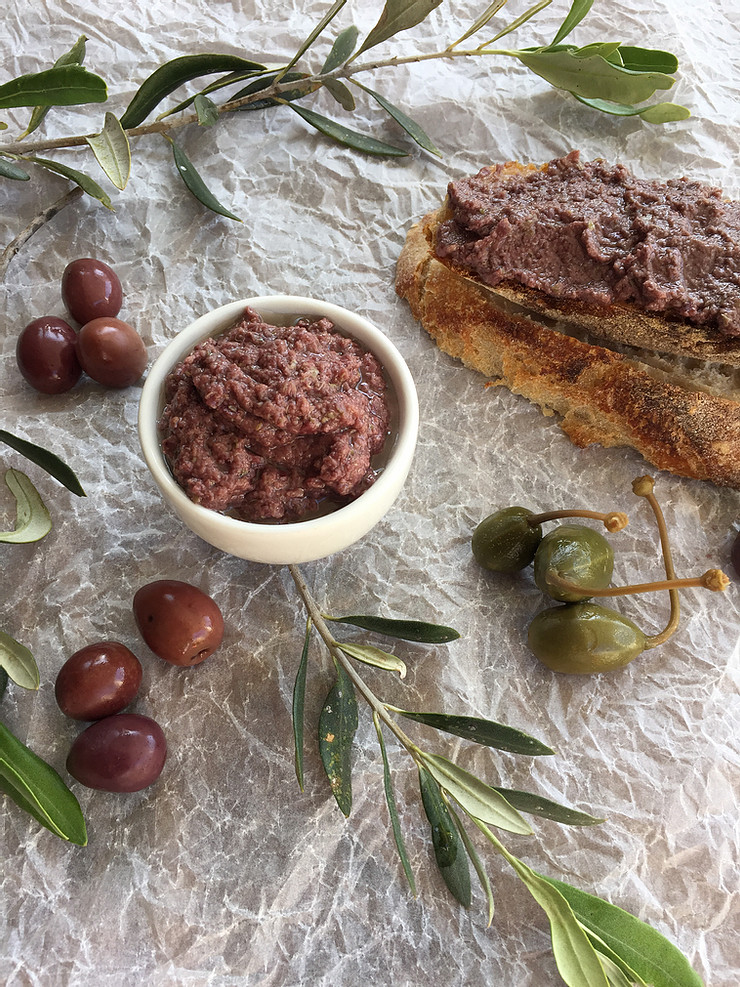
Olive tapenade is such a versatile staple to have in your refrigerator during the long summer months … serve it as an appetiser with crostini or crusty bread; as a dip to crudités; spoon a dollop on top of fish before baking it in the oven; stuff some portobello mushrooms or mix it into your pasta sauce, to add some depth of flavour. Easy, quick, delicious – you can not ask for more!

250ml black olives, pitted

2 anchovy fillets

45ml capers

80ml olive oil

Add the pitted olives, anchovies, capers and half of the olive oil to a food processor. Blitz together.

Now, taste the tapenade and think about what you want to use it for: do you want something that will “sit” on a crostini or are you going to use it as a dip. Decide on the texture and then add more olive oil if you prefer.

Store in a glass jar in the refrigerator.