“Matiesous” Chicken

“Matiesous” Chicken

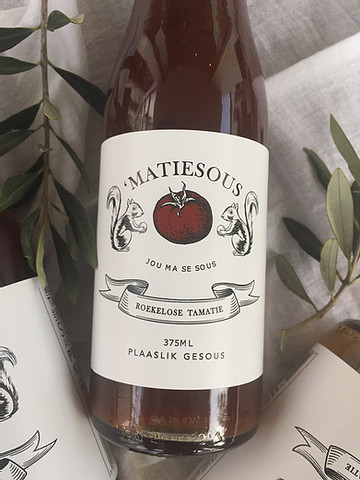
The beautiful historic town of Stellenbosch hosts one of South Africa’s international universities and is lovingly known amongst the students and locals, as Matieland. Matiesous is a sauce born in Matieland but also plays on the word “tamatie”, which is Afrikaans for tomato.

I first came across this unique sauce in a local butchery and whow, what a pleasant surprise! It is tomato sauce, but not quite. It is peach chutney, but not like we know it. It is Asian sweet-and-sour, but has something extra. In short, it is a superb basting/braai sauce; a perfect partner for steamed buns and sweet-and-sour pork; it is an excellent marinade for those chicken skewers on the barbecue and of course, you will need it for this chicken recipe!

6 large chicken breasts

250ml Matiesous

1 tin of chopped tomatoes

125ml olives, pitted, or a whole lot more if you are an olive freak like me!

a small bunch of basil leaves

Preheat your oven to 180℃.

Season the chicken breast with salt and pepper and place them in a casserole dish.

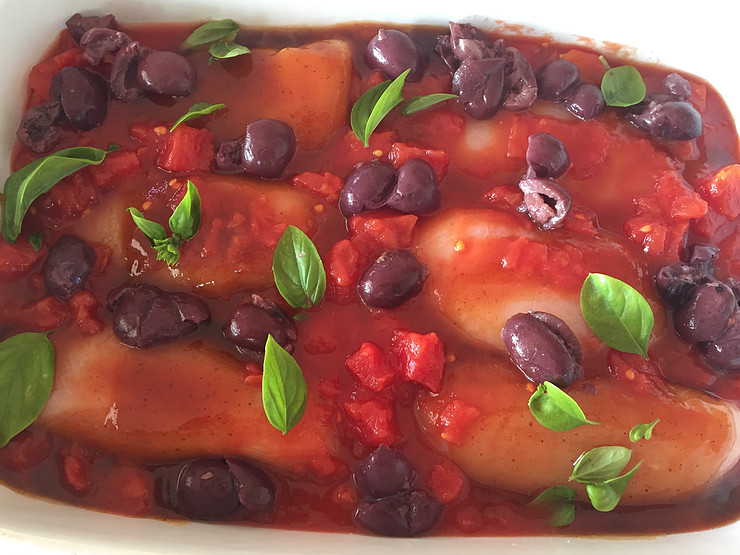
Add the Matiesous, tinned tomatoes, olives and basil leaves to a mixing bowl and stir through.

Pour the sauce into the casserole so that it covers the chicken.

Place a lid on the casserole or seal it with aluminium foil.

Place the dish in the oven and bake for an hour.

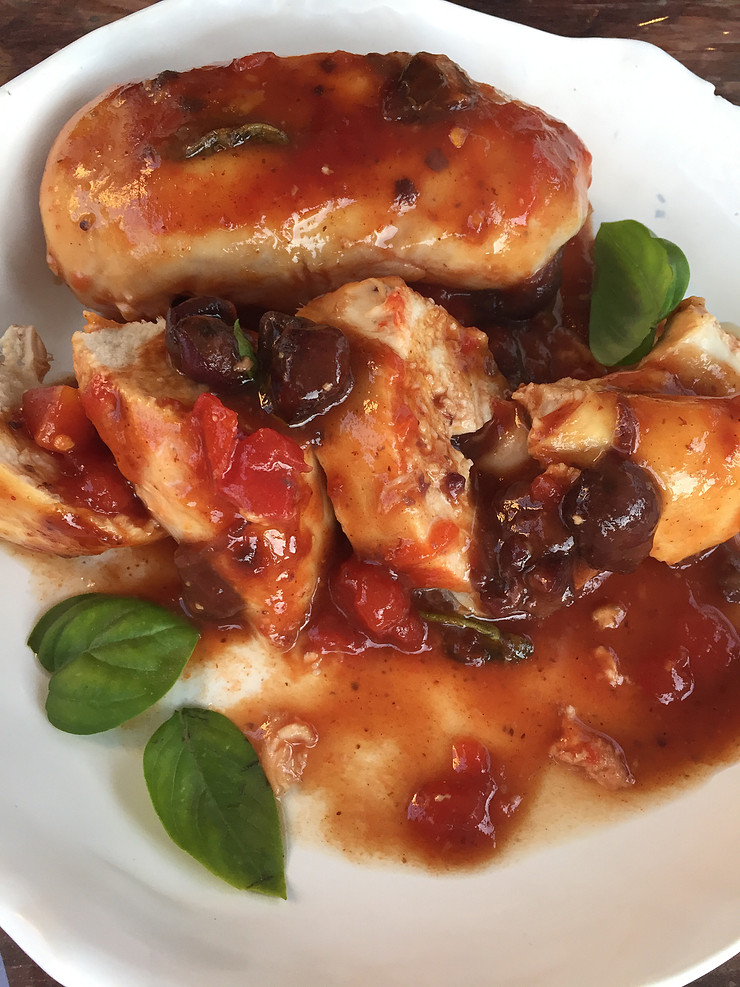
Serve the chicken on its own or with pasta.

Peanut Butter Biscuits

Peanut Butter Biscuits

I love these biscuits for their simplicity. Once you bite into one there is no doubt that they are made from peanuts and if you’re really a lover of nuts, you may even add a few chopped peanuts to the biscuit dough before baking! These biscuits will satisfy a sweet tooth in an instant and as they’re packed with protein, will boost your energy levels. An added bonus is that they’re gluten free.

Makes about twenty biscuits.

250ml brown sugar

250ml peanut butter

1 egg

5ml baking powder

Note 1:

You may use a smooth or crunchy peanut butter, it is up to you. You may also add chopped peanuts to the dough or simply press a whole peanut onto each biscuit before you bake them.

Note 2:

The baking powder in this recipe may be left out. I prefer the mixture with the baking powder as it prevents it from being dense and heavy.

Preheat your oven to 180℃ and line a baking sheet with baking paper.

Add all the ingredients to a mixing bowl and give it a good mix-through.

Place the bowl into the fridge for about 20 minutes to allow the dough to firm up.

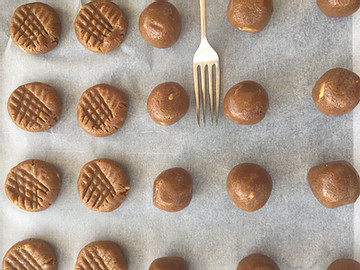
Remove from the fridge and start making balls. I use a 15ml measurement spoon to scoop even sized balls.

Place the balls onto the baking paper and press down lightly with the tines of a fork to make the traditional peanut butter biscuit shape.

Bake the biscuits for 9 minutes or until lightly golden around the edges.

Once the biscuits are removed from the oven they will be very soft. Allow them to cool completely before removing them from the baking sheet and storing them in an airtight container.

Aubergine and Lentil Curry

Aubergine and Lentil Curry

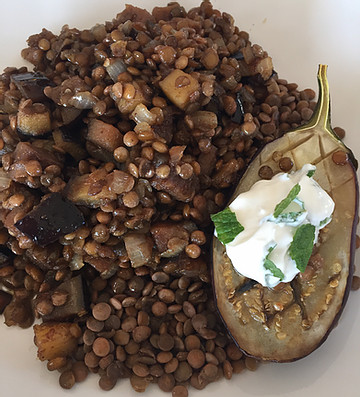
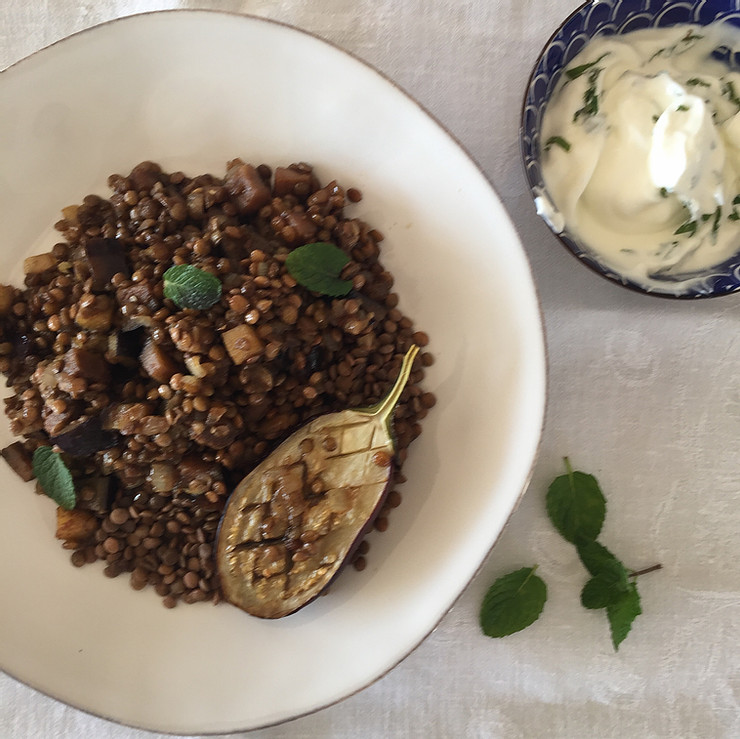
This dish isn’t a curry in the true sense of the word but on the other hand, it isn’t a stew either. It is a quick dish, lightly flavoured with curry… Further, it doesn’t look like much, it doesn’t sound like much, but it really makes up for it all in taste!

I do sometimes spice it up with chilli and when I do so I like to add black beans, but for most part, it is a complete dish as far as nutrition and satisfaction goes and perfect for those days that you want to go meat-free. You may serve it on a grain like cous-cous, quinoa or rice but it really marries well with my Soft Flatbreads. Chop some mint into a bowl of Greek yoghurt and scoop a dollop on top to add some creamy contrast.

2 medium sized onions, chopped

3 large aubergines, diced

60ml mild curry powder

30ml sugar

salt to taste

2 cups of lentils, cooked

oil to fry

Note: If you do not have the time to cook lentils from scratch you may substitute it with canned brown lentils. Do however try to cook your own as they taste better and the texture is completely different.

Put a heavy bottomed saucepan onto the heat and pour in enough oil to cover the base.

Fry the chopped onion, curry powder and sugar over a medium heat until the onion has softened and the curry gives off its fragrance.

Add the diced aubergine to the mixture and let it simmer for about 15 minutes, stirring occasionally.

Add the cooked lentils and turn the heat down slightly.

Stir the mixture and allow the aromas to mingle, for no longer than 5 minutes.

Season with salt and serve.

Soft Flatbread

Soft Flatbread

I often make flatbreads when I look at what I have cooked for dinner and I really need to add something… I also like making them with lazy meals….where you sit around the table with a good glass of wine and even better company and you really only need something to nibble and to linger with over the meal.

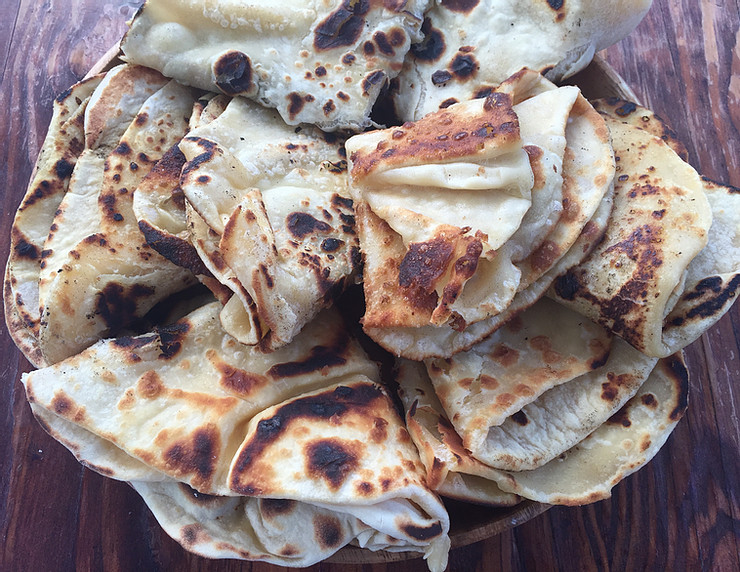
These flatbreads may not be high on eye appeal but believe me, they are soft, buttery and very morish. The recipe makes 8 flatbreads but the dough keeps for three days in the fridge, in case you want to make ahead and cook them at a later stage. Make sure to serve them warm.

1 000ml flour

5ml salt

35ml butter

375ml milk

butter for frying

Add the milk to a small saucepan and put it on the heat. Add the butter.

Take the mixture off the heat once the milk is warm and the butter has melted.

Add the flour and salt to a large mixing bowl and pour in the warm milk mixture.

Bring it together by giving it a mix with a spoon to form a rough dough.

Turn the dough onto a work surface and knead until you have a smooth dough without lumps.

Cover in plastic wrap and let it rest for 30 minutes.

Divide the dough into 8 equal pieces and roll each into circles or a shape that will fit into your frying pan. Don’t worry about the shapes too much, flatbreads need to be rustic!

Put a non-stick pan onto a medium to high heat, add a small knob of butter and place the first flatbread into it. Cook for 1 minute and flip the flatbread in order to cook the other side.

They should be charred but take care not to burn them. Adjust the heat accordingly.

Finish off the rest of the flatbreads and serve immediately.

Roasted Butternut

Roasted Butternut

This is a throw-together rather than a recipe! It is intended to inspire you to prepare your butternut in an alternative, delicious way and by doing so, fill your kitchen with a wonderful, perfumed scent! It is simple, quick and delicious.

Preheat your oven to 190 degrees Celsius.

Cut the butternut in half and discard the seeds.

Peel the outside skin with a vegetable peeler, taking care to keep the natural shape of the butternut.

Place the one half on a chopping board, lengthwise, as in the photograph. Place a wooden spoon on each side of the butternut so that your knife’s blade will hit the two wooden spoons when you make the slits across, without cutting straight through it.

Proceed with all the butternuts you intend to roast.

Now, line a baking sheet with baking paper, place the halved butternut onto it, drizzle it with olive and season with salt and pepper.

Insert bay leaves into the slits you have made.

Roast the butternut until you can insert the blade of a small knife with ease.

I serve each person a quarter, i.e. I slice the halved butternut in two

Mini-mini Pancakes

Mini-mini Pancakes

Here we go …. another Tik Tok trend that is going viral! These mini-mini pancakes are the size of a coin and heaped into a bowl, they do resemble breakfast cereal, and this is how they are trending: a bowl of crisp, mini pancakes with milk!

Because of their size they are crispy on the outside but the fluffy inside reminds one of Dutch poffertjies and are delicious when drizzled with syrup or honey. My favourite way of eating these tiny puffs are with a white Belgian chocolate yoghurt, but you really need to make them for yourself to decide how you prefer eating them. I suspect the mini-minis will taste just as good with chocolate sauce…

62ml sugar

250ml flour

10ml baking powder

1ml salt

125ml milk

15ml butter, melted

1 egg

Add the egg and the sugar to a mixing bowl and whisk together.

Add the melted butter and half the milk as well and give the mixture another good whisk.

Sift the flour, baking powder and salt together and add this dry mixture to the wet mixture. Mix through.

Gradually stir the rest of the milk into the mixture to form a smooth batter.

Mix only until blended – do not over mix as it will make your batter heavy.

Put a non-stick pan onto medium heat and add a small amount of vegetable oil.

Spoon the pancake batter into a piping bag and pipe tiny blobs into the warm pan.

Flip the pancakes after they turn golden, about 30 seconds and cook the other side until done.

Pile the mini-minis into a bowl and serve warm with milk, syrup, butter, yoghurt or cinnamon sugar

Pita Bread

Pita Bread

Pita is a flatbread that originated in the Mediterranean and Middle East. It is one of the most basic breads, but probably also one of the most functional and diverse breads. When baked in the oven, it makes a pocket that can be filled with a variety of meats, salad and sauce.

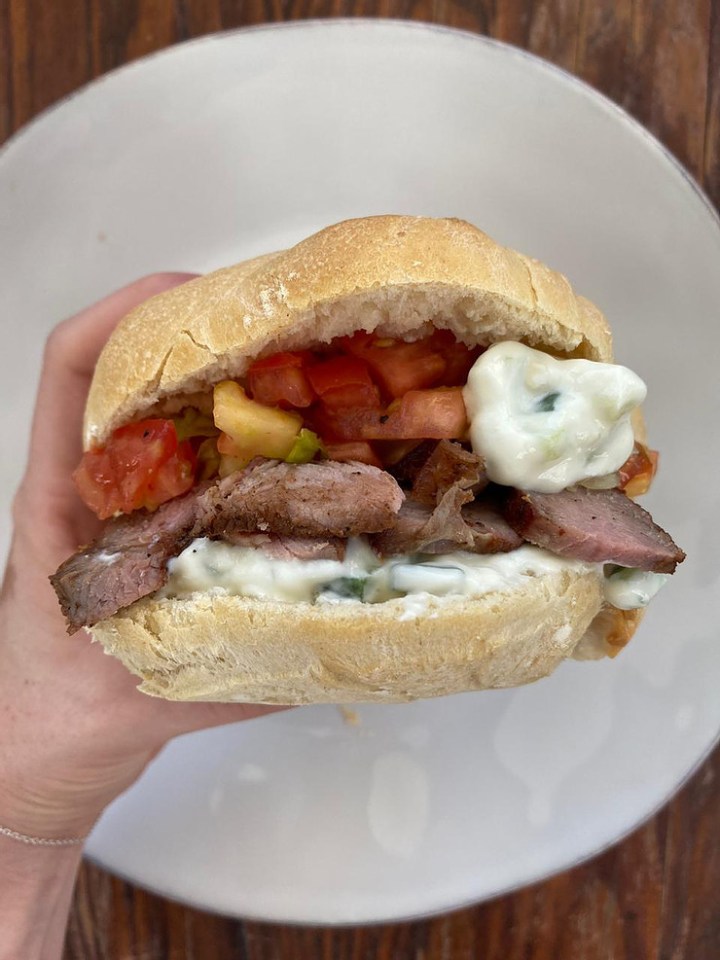
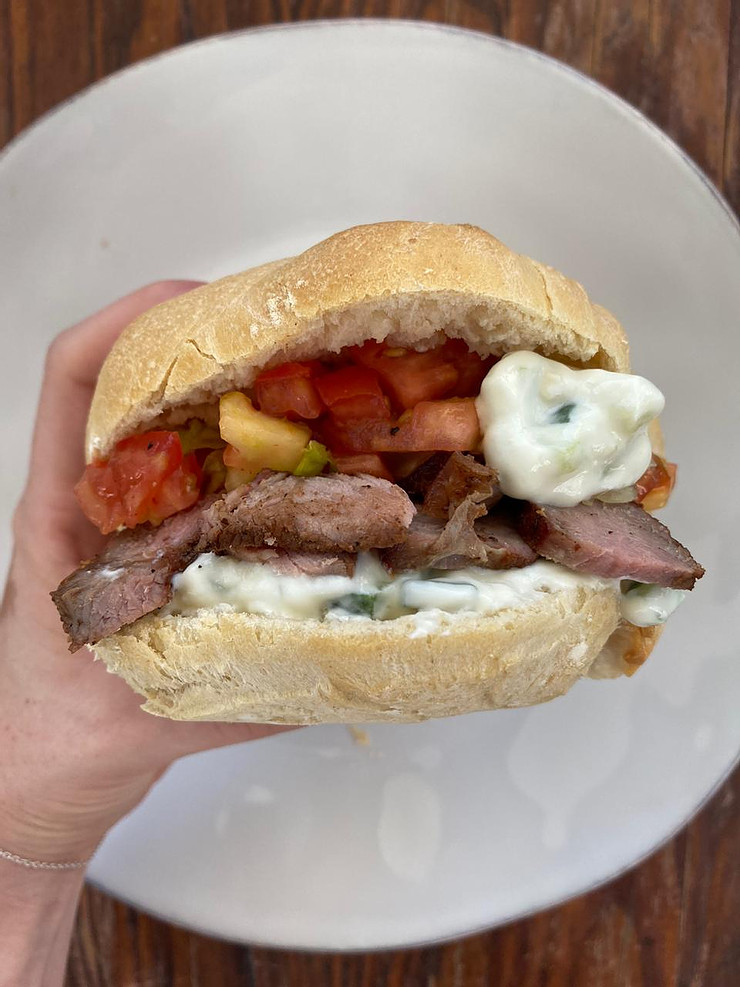
In our family pita is a reminder of our annual holidays on the Greek island of Paros. Lazy days, balmy nights, gallons of crispy Greek wine and pita bread! At home we have them on weekends, filled with thinly sliced flame-grilled rump steak, lettuce, tomato and a liberal scoop of tzatziki.

20g instant yeast

960g flour

5ml salt

10ml sugar

60ml oil

± 750ml water, lukewarm

Preheat your oven to 250℃.

Add the flour, salt, sugar and yeast to a large mixing bowl.

Make a hollow in the dry ingredients and then add the oil and thereafter the water.

Bring the ingredients together with your hands and knead for 10 minutes or so, until you have a soft, smooth dough. (If you are using a stand mixer and a dough hook, run the mixer for 4 minutes or until the dough sits on the dough hook and it appears smooth).

Rub some olive oil onto the insides of a large mixing bowl and transfer the dough to it. Cover the bowl with a damp tea towel or put it into a plastic bag.

Leave the dough to proof until doubled in size.

Once the dough is ready, transfer it to a work surface and knead it down by hand, for a minute or so.

Cut the dough into 16 equal pieces, using a dough cutter or a sharp knife. I weigh my dough which means that I cut it into 16 x 136g pieces. You do not have to do this and may divide the dough into the size that works for you, or simply divide “by using your eye”!

Now once the dough is divided, roll each piece into a ball and then squash the ball between the palms of your hands. This will flatten it enough but still keep it thick enough to be able to expand and form a pocket when baked.

Place the pitas on a well floured baking sheet, cover with a damp tea towel and leave to rest for 15 minutes.

Place the shaped pitas into the oven and bake for 10 minutes.

Remove your beautiful pita breads from the oven and allow them to cool.

When cool enough to handle, slit a third of the bread open so that it leaves you with a pocket to fill with the filling of your choice.

Raisin Bread for French Toast

Raisin Bread for French Toast

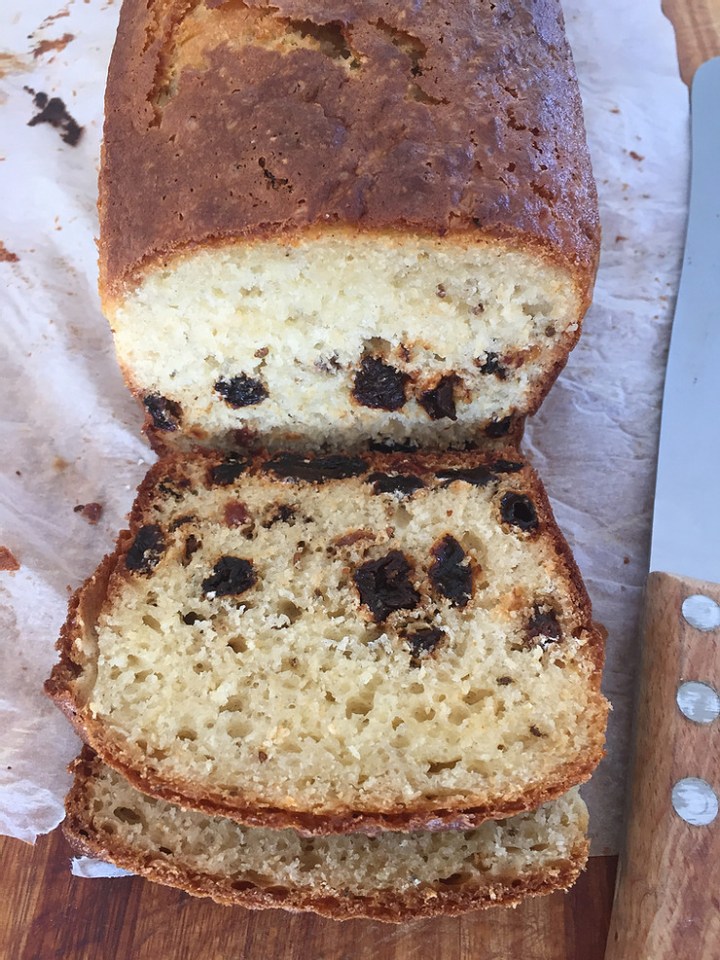
If you like the combination of sweet and savoury, you will love this bread. The raisin bread itself is a quick-bread which of course means there is no yeast in it and therefore takes no time at all to make. It is a spongy, cakey bread which makes it perfect to soak up the egg mixture for French toast, before frying it to a delicious, golden brown and of course the addition of raisins, makes it perfect for breakfast.

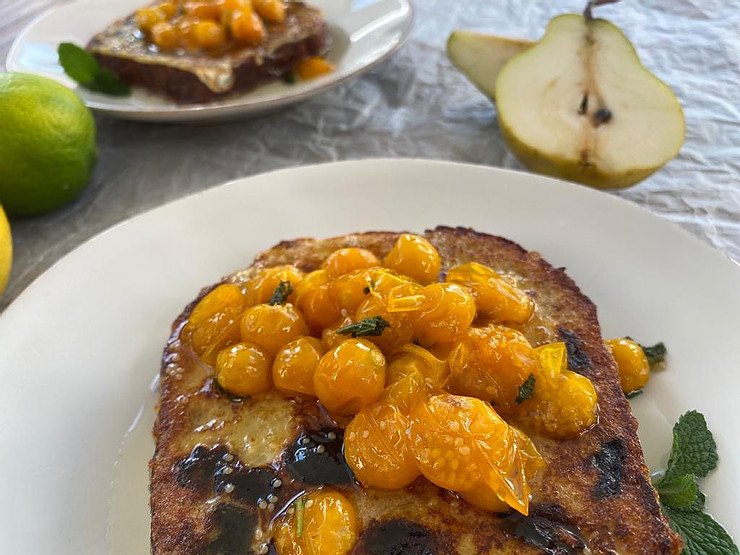
I love eating French toast with fruit and especially lathering the toast with a fruit compote, which is basically fresh fruit which has been cooked in a flavoured syrup that brings out the ripeness and scent of the fruits.

I must confess, we like this raisin bread so much we have it as regular bread and take my word for it, it is delicious with cheese, honey and yes, Marmite!

To make the raisin bread:

500ml self-raising flour

250ml raisins

250ml sugar

10ml aniseed

2 eggs

±300ml milk

Preheat your oven to 180℃.

Grease and line a 13cm x 23cm loaf tin with baking paper. The baking paper is not essential if you grease the tin well, but it does make life a whole lot easier when removing the bread from the baking tin.

Add the flour, raisins, sugar and aniseed to a large mixing bowl and stir through.

Add the eggs to another bowl and give them a whisk before adding it to the dry ingredients.

Add 300ml of milk and give the mixture a very good mix by hand. You want a consistency that slides from a spoon. Add some more milk if the mixture needs it.

Spoon the mixture into the prepared loaf tin and bake for 35 – 40 minutes or until a testing needle comes out clean.

Take the bread from the oven and place on a cooling rack for 10 minutes before turning it out.

Allow the raisin bread to cool completely.

To make the compote:

125ml sugar

300ml water

fruit of your choice: I love utilising gooseberries; pear, cut into even sized chunks; mango; pineapple and guavas, but really, it’s up to you

a small bunch of mint leaves, chopped

Add the sugar and water to a small saucepan, put on a medium to low heat and stir until the sugar has dissolved.

Now add the fruit and allow the mixture to simmer until the fruit is softened but not mushy.

Take the compote off the heat, allow it to cool for a few minutes, add the mint and stir through.

Your compote is now ready to spoon onto your French toast! Of course, if you are having French toast for brunch, there is nothing stopping you from adding a splash of rum to your compote once you’ve taken it from the heat…

To make the French toast:

2 generous, 1 – 1,3cm thick slices of raisin bread

2 eggs

a dash of milk

salt

a knob of butter

Break the eggs into a flat dish and add a splash of milk.

Season with salt and beat the mixture with a fork.

Put a non-stick frying pan onto medium heat and add a knob of butter to the pan.

Soak the slices of raisin bread in the egg mixture: first the one side and then flipping them to soak the other side.

Transfer the soaked bread to the hot frying pan and fry until golden before flipping and frying the other side.

Remove the warm toast from the pan and serve with spoonfuls of compote!

Whole Orange Cake

Whole Orange Cake

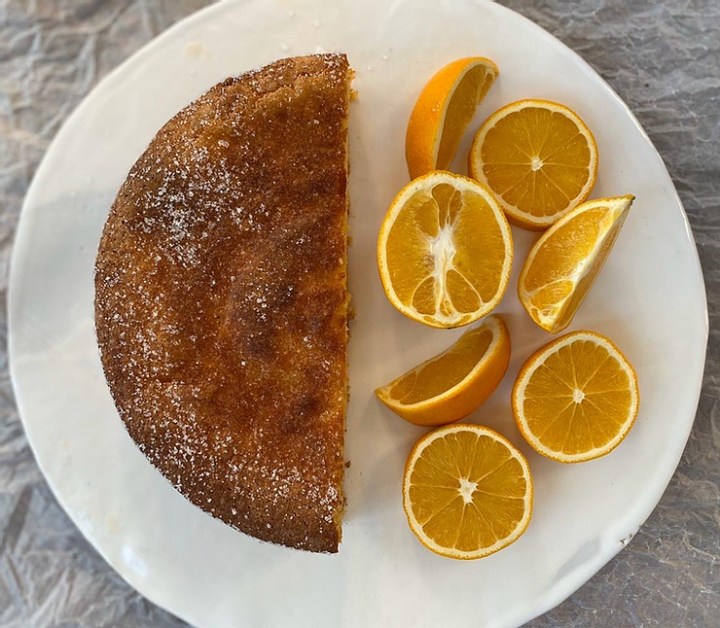
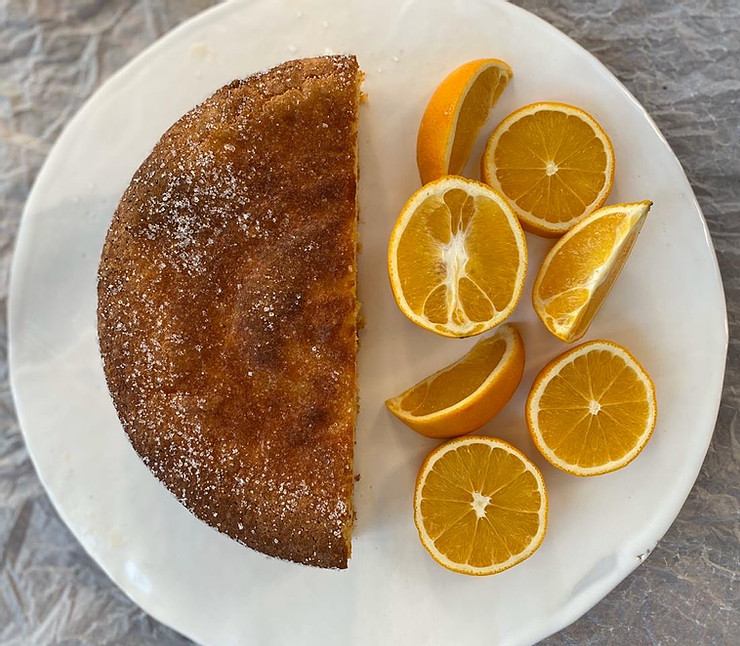
Incorporating an orange with its skin and pips into a cake is a technique long practiced in the Jewish culinary tradition. The combination of the the entire orange and almond meal, makes for a deliciously moist and nutty cake with the most exquisite scent lingering on one’s palate. This is definitely one of the last and final meals I would choose to have, should it ever come to that….

2 large oranges

250g sugar plus extra

6 eggs

250g almond meal

5ml baking powder

Wash and scrub the oranges clean.

Fill a large port with water and bring it to the boil. Drop the oranges in the boiling water and cook for two hours. Check the water level in the pot every now and then and add more boiling water as necessary.

Remove the oranges with a slotted spoon after two hours and allow to cool enough so that you can comfortably handle them.

Cut into chunks and puree: skin, pips and flesh!

Preheat your oven to 160℃.

Grease and line a 22cm loose-bottomed cake tin with baking paper.

Beat the eggs and sugar until well mixed; it will become a thick foamy consistency.

Stir in the pureed orange, followed by the almond meal and the baking powder.

Pour the batter into the prepared tin and dust the top with extra sugar.

Bake for 1 hour and 15 minutes, until the top is golden and a skewer inserted into the centre comes out clean.

Allow the cake to cool completely in the tin.

Take the cake out of the tin, dust with sugar and cut into slices and serve.

Vodka Pork Chops

Vodka Pork Chops

This is another throw-together, rather than a recipe, but a real winner as it is quick to make and delivers on flavour!

Pork chops

Vodka

Butter or olive oil

Red onion

Granny Smith apples

Fresh herbs

Lemon juice.

Preheat your oven to 180℃

Put a heavy bottomed pan that can go into the oven (no plastic handles) onto high heat. Once it has warmed up, add a knob of butter and allow it to melt. Add the pork chops to the pan and let the meat brown. Flip the chops after about 2 minutes and fry the other side to a delicious golden, caramelised state.

Now, add a good glug of vodka to deglaze the pan. Loosen all the little burnt bits with a wooden spoon so that it can add flavour to the vodka and develop into a sauce. You want enough liquid from the vodka to prevent the chops from going dry but at the same time you do not want to steam the chops or worse, make a soup!!

Season the chops with salt and put the pan into the oven for 15 minutes so that the meat can cook through. If you have thick chops you might want to go towards 20 minutes.

In the meantime make the salsa:

Chop more or less equal amounts of red onion and apple and add it to a small bowl. Chop a small handful of herbs and add to the apple and onion. Now squeeze some lemon juice on top and season with salt and pepper.

Give the salsa a good mix-through and spoon generous amounts onto the warm pork chops. Serve with buttery mashed potato and a beetroot salad.