Hi and welcome to my blog! My name is Karen and I love cooking simple, uncomplicated, flavourful food. My cooking is inspired by seasonal ingredients, punchy flavours, an awareness of sustainability and of course by the likes and dislikes of my family and friends that sit around my table as well as you, the virtual guests around my table!
I am a chef, recipe developer and food stylist and generate my own content. I am also completely addicted to recipe books, of which I have an extremely large collection but the essence of my food is about celebrating life and all the fabulousness that we can add by creating good food.
Thank you for reading my blog. Please keep on giving me feedback and may your kitchen, as mine, be filled with joy and the best tasting food!
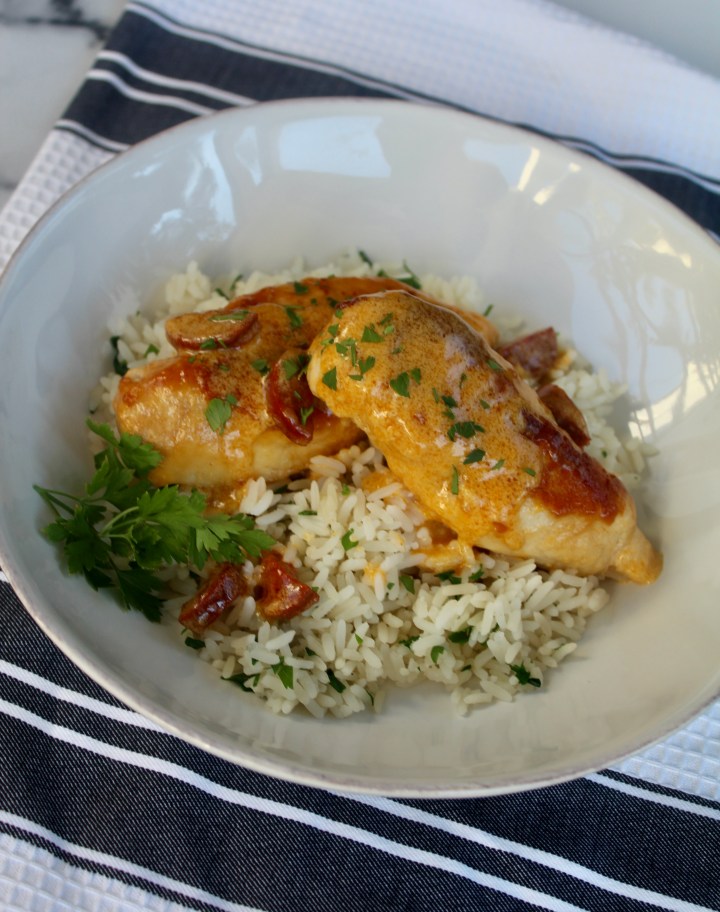
250g bacon, cut into small pieces 45ml butter 83ml flour 6-8 chicken breasts 15ml garlic powder 250ml chicken stock 15ml lemon juice 250 ml cream
Place a frying pan on medium-high heat, add a very small amount of oil and fry the bacon pieces until just crispy on the edges. Remove the bacon pieces from the pan but keep the fat and keep the pan on the heat. Mix the flour and garlic powder together and dredge the chicken in the flour. Add the butter to the warm pan and brown the chicken breasts on both sides – about 3 minutes per side. Pour in the stock and allow the chicken to cook for about 8 minutes before turning and cooking for another 8 minutes. Add the cooked bacon, lemon juice and cream to the pan, give it a stir and cook for 3-4 minutes until the sauce is thick and glossy. Serve the chicken breast on a starch of your choice.
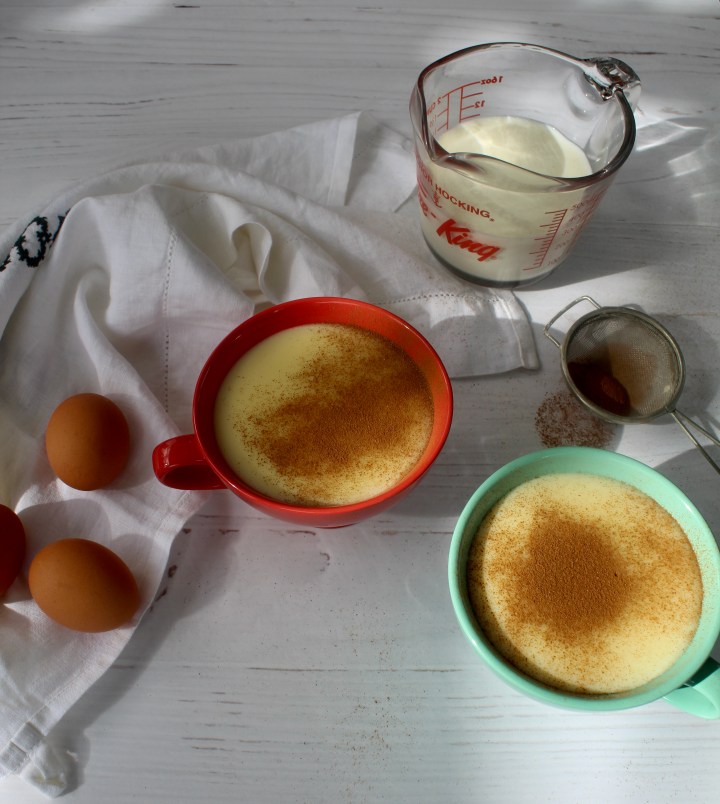
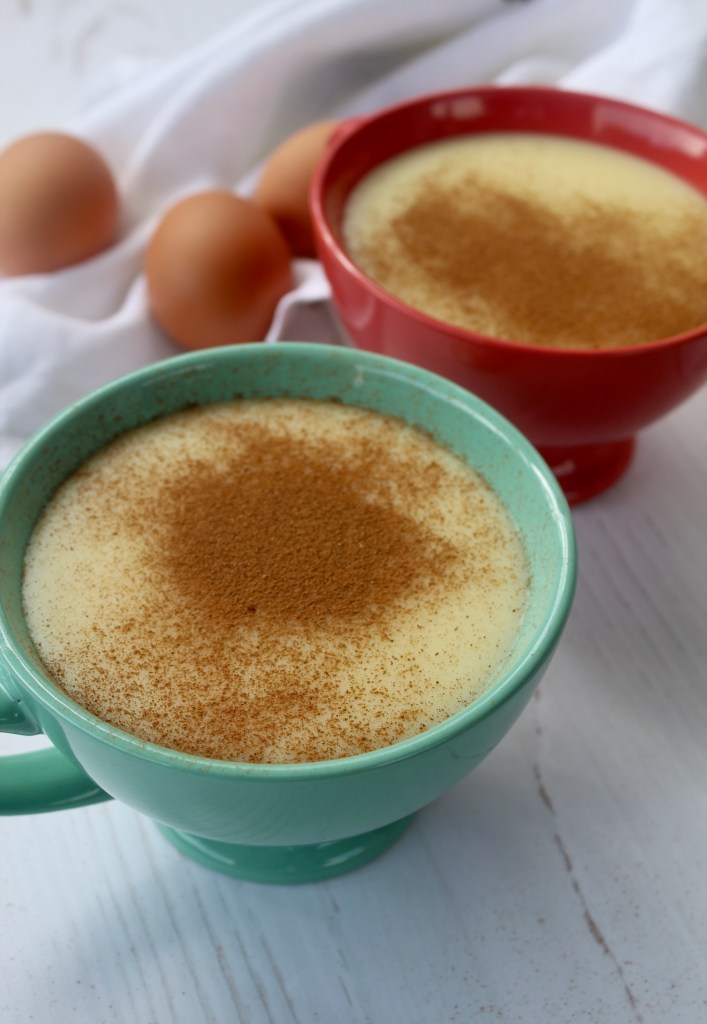
Add the sugar and cornstarch to a mixing bowl and stir through. Add the egg yolks and 50ml milk and mix together to make a smooth very runny paste. Set aside. Add the 700ml milk to a saucepan set over medium high heat and bring to a boil. Pour the egg and milk mixture into the boiling milk in a thin stream while whisking vigorously. Turn the heat down to medium, keep stirring and wait for the mixture to thicken. Remove the saucepan from the heat and stir in the vanilla. Pour the custard into cups and dust with some ground cinnamon. Serve slightly warm.
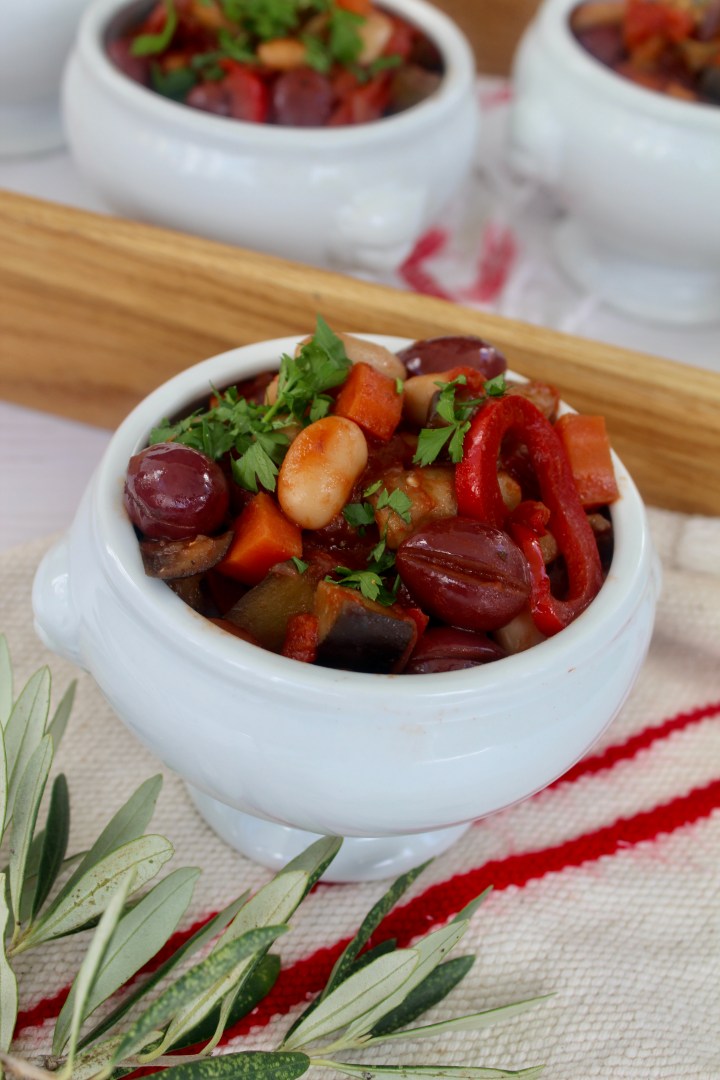
The traditional Italian cacciatore is made with poultry and celebrates generosity and variety. This is my vegetarian interpretation and will feed six people when served with mashed potato or polenta.
90ml olive oil 250g button mushrooms 2 medium aubergines, diced 2 onions, diced 2 cloves of garlic, minced 3 carrots, peeled and cut into small chunks 2 medium red sweet peppers, sliced in strips 250ml dry red wine 2 x 400g tins of chopped tomato 2 x 400g tins of butter beans 250ml whole black olives 500ml vegetable stock 125ml parsley, chopped 5ml salt black pepper
Heat the oil in a large saucepan on a high heat. Add the mushrooms and aubergine and fry for a few minutes until browned. Remove from the saucepan with a slotted spoon and keep aside. Lower the heat to medium and add the onion and garlic and cook until the onion is soft. Add the carrot and sweet peppers and fry for a minute or so. Pour in the wine and simmer until the wine is reduced completely. Add the tomato, beans, olives, stock and salt and simmer for 5-10 minutes, stirring occasionally. Add the cooked mushrooms and aubergine and stir through. Simmer for a further 5 minutes. Take the saucepan from the heat and add the parsley. Taste the dish and adjust the seasoning. Serve on mashed potato or polenta and a generous drizzle of olive oil.
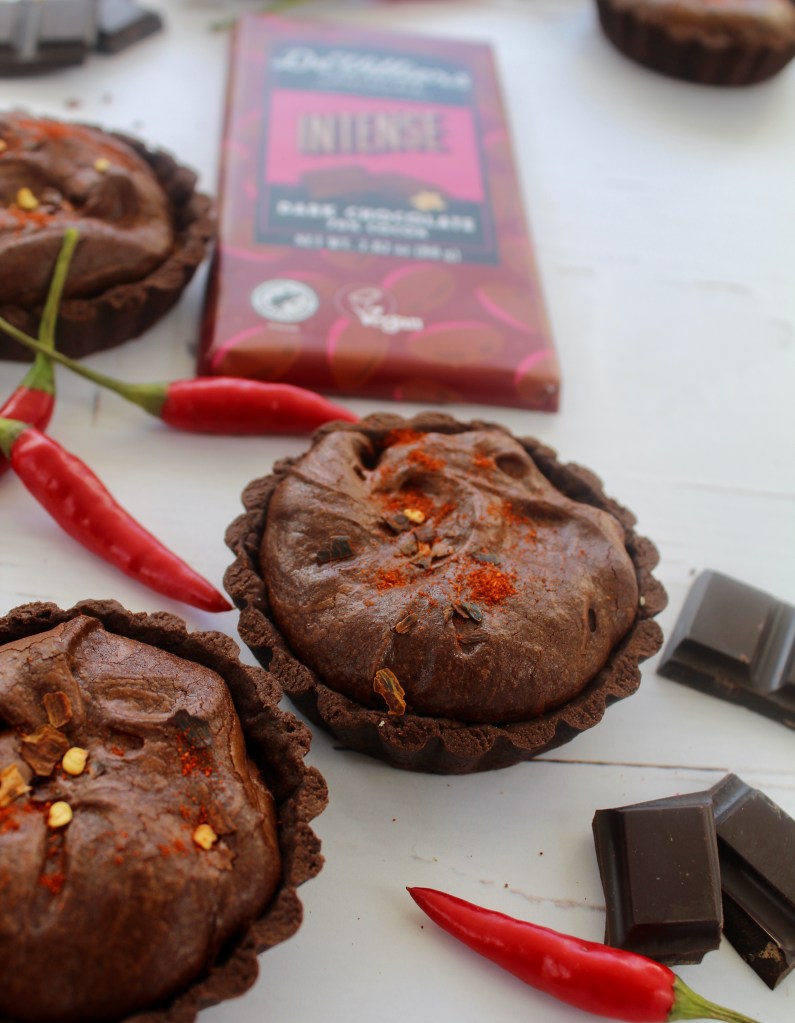
I am celebrating my one year association/endorsement of the best chocolate available on the South African market!! Yes, for one full year I have baked, maked or concocted something with chocolate at least once a week and what fun it was with such a fabulous product!
De Villiers Chocolate is an artisanal chocolate made from sustainably sourced raw materials. This sought-after brand is available through retailers across the country as well as online from the brand themselves. The Nut Butter Chocolate bars are dairy-free and made with no added artificial preservatives, colourant or other ingredients. The chocolate is Rainforest Alliance Certified and endorsed by the International Vegan Society.
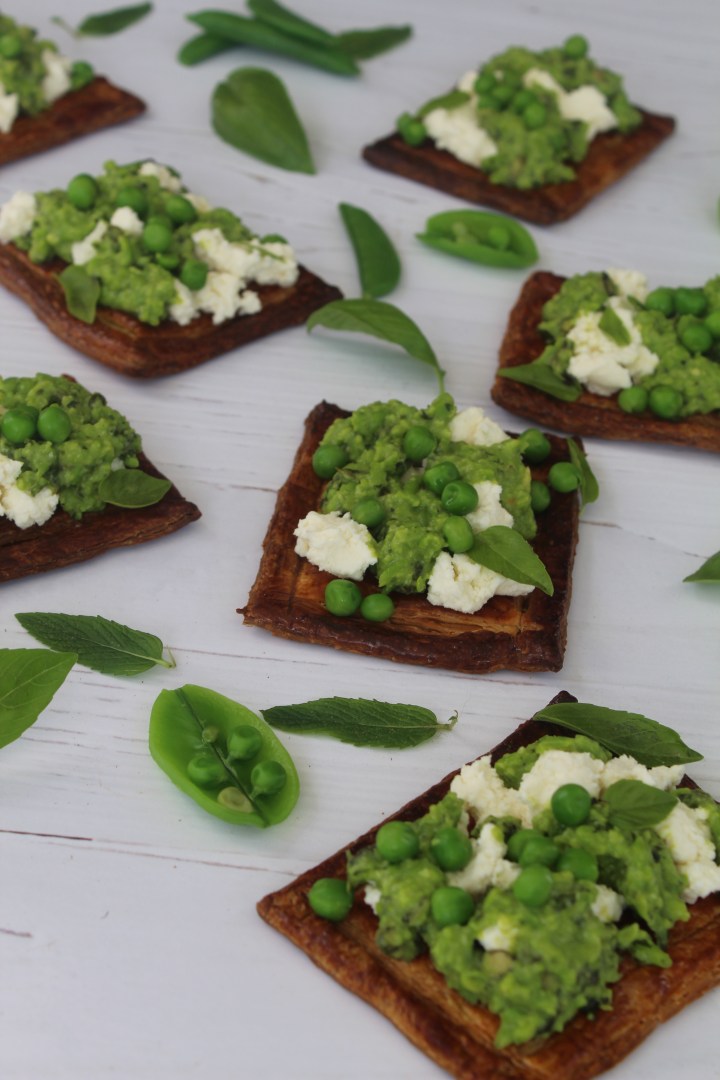
This pea pesto is vibrant and fresh and makes a fabulous appetiser, snack or starter.
2 packets frozen puff pastry 1 egg, whisked with 15ml water 400g frozen peas 60ml pumpkin seeds 60ml grated parmesan cheese 60ml mint leaves, chopped 60ml basil leaves, chopped 2 cloves garlic, minced 15ml lemon juice 5ml salt black pepper 125ml olive oil 500ml fresh ricotta (Search: Homemade Ricotta if you want to make your own)
Preheat your oven to 220℃ and line 2 baking sheets with baking paper. Roll the puff pastry sheets lightly (just to straighten them) and cut each sheet in 6 or 8 equal pieces. Place the pastry on the baking sheets and score a 1cm border around the edges with a butter/blunt knife. Whisk the egg and 15ml water together and brush the pastry with the egg wash. Bake in the oven for 10-15 minutes until done. Remove the pastry from the oven and set aside to cool. Fill a medium saucepan with water, season with salt and bring to a boil. Add the frozen peas and blanch them for 1 minute. Remove the peas with a slotted spoon to a mixing bowl and run cold water over it until cooled completely. Add two thirds of the peas, all of the pumpkin seeds, parmesan, mint, basil, garlic, lemon juice and salt to the bowl of a food processor and blitz together. Add the olive oil in a thin stream with the engine running. Spoon the pesto into a bowl and add the reserved third of peas. Stir through and taste for seasoning. Assembly: Spread ricotta onto each pastry square. Top with a few dollops of pea pesto, black pepper and parmesan shavings. Drizzle with olive oil to serve.
Add the flour, icing sugar, cocoa powder and butter to the bowl of a food processor. Blitz together until the mixture resembles wet sand/crumbs. Add the egg yolks and water to a small bowl and whisk to blend. Run the engine of the processor and drizzle in the egg mixture until the pastry JUST comes together. If it doesn’t come together, add a few drops of water at a time to bring it together. You want a dry pastry that barely comes together. Wrap the pastry in plastic wrap and refrigerate for 1 hour.
Preheat your oven to 200℃ and spray 12 loose bottom tart tins (or one 24cm tart tin) with cooking spray. Lightly dust a work surface and roll the pastry to a thickness of 3 mm. Line the tart tins with the pastry – you may patch the pastry where it brakes, and line them with baking paper and baking beans. Bake blind for 15 minutes. Reduce the heat of the oven to 150℃.
Add the chocolate and butter to a heatproof bowl set over a saucepan of simmering water and allow to melt completely. Stir the mixture, take it from the heat and set aside to cool. Add the cayenne, chilli flakes, cinnamon, eggs and sugar to the bowl of a stand mixer fitted with the whisk attachment. Whisk the mixture on high speed until it is thick and pale in colour – about 3 minutes. Once the chocolate mixture is cool enough to rest the bowl in the palm of your hand, it is ready to use. Set the mixer on a low speed and add the melted chocolate in a thin stream. Take the bowl from the mixer, sift over the flour and fold into the chocolate mixture. Spoon the mixture into the tart shells and bake in the oven for 25 minutes. Cool the tarts at room temperature and then chill in the refrigerator for one hour. Lightly sprinkle some cayenne on the tarts to serve.
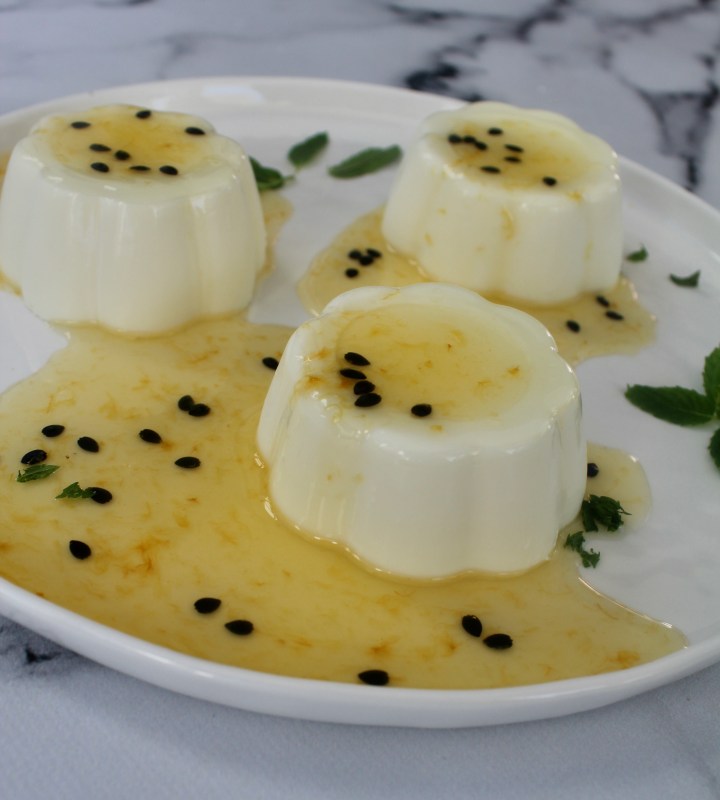
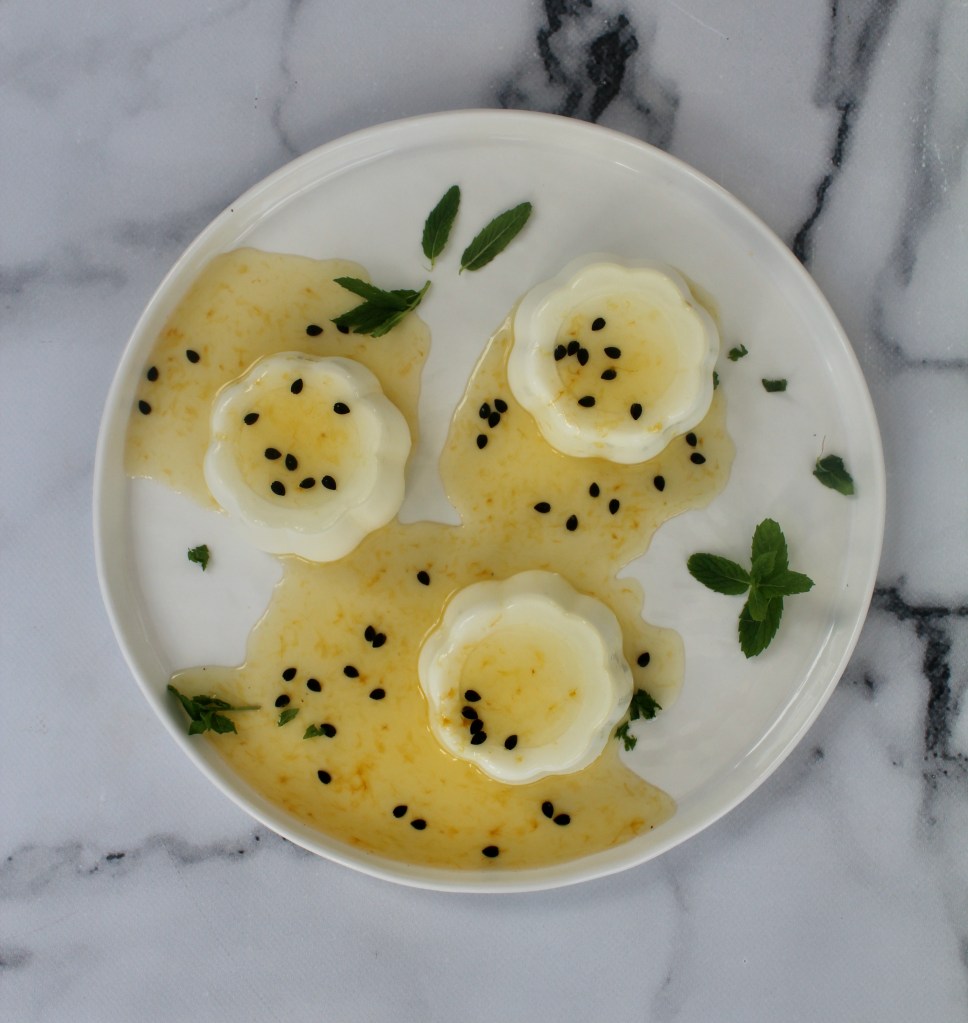
This buttermilk pannacotta is delicious when served with the this tart passionfruit syrup but of course, the choice is yours and it may be served with any sauce of your choice.
Passionfruit syrup: 80ml canned passionfruit 60ml sugar 80ml water the grated zest of one lemon
Pour about 50ml of the buttermilk into a small bowl and sprinkle the gelatine over. Set aside for 5 minutes. Pour the remaining buttermilk, cream and sugar into a small saucepan set over low heat. Stir the mixture until the sugar has dissolved. Pour the gelatine mixture into this mixture and stir well. Pour the mixture into 6 moulds with a 125ml capacity each, cover with plastic wrap and refrigerate for 3 hours until set.
For the passionfruit syrup: Add the water and sugar to a small saucepan and place it over a low heat. Stir the mixture until the sugar dissolves. Simmer the syrup for 1 minute without stirring and then take it off the heat. Add the lemon zest and passionfruit pulp. Stir through and set aside to cool completely.
Turn the individual pannacottas out on a serving dish and drizzle with the cold passionfruit syrup to serve.
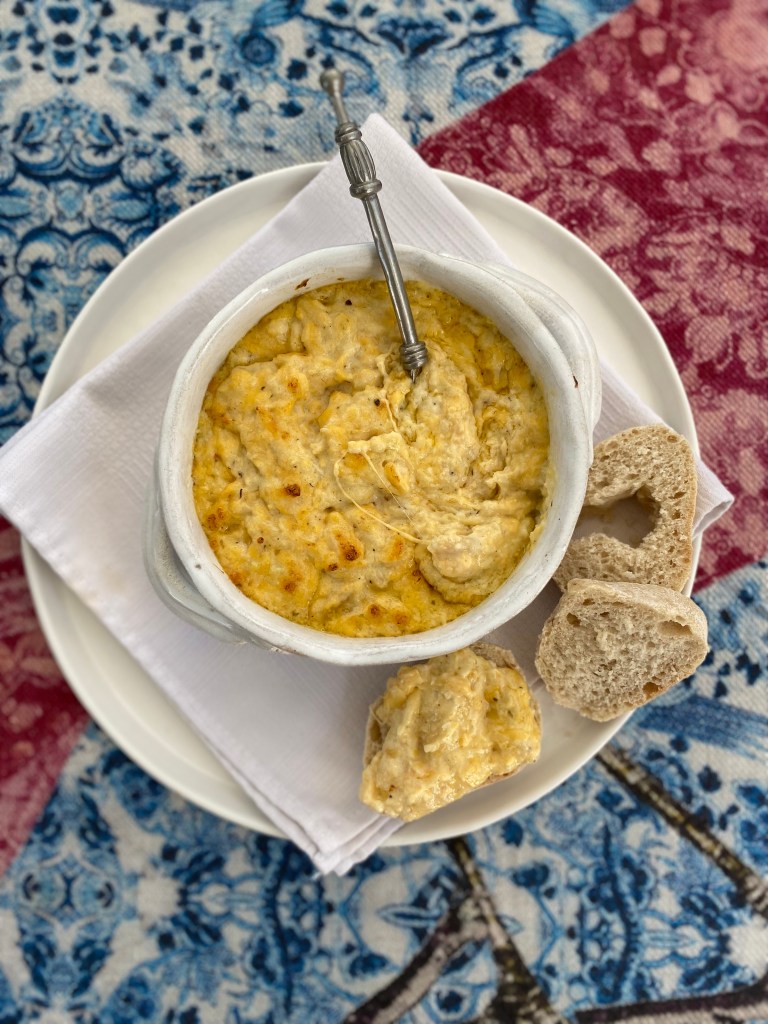
Preheat your oven to 200℃. Add all the ingredients to a food processor and process to mix, but be sure to keep some texture of the artichoke. Season with salt and black pepper. Spoon the mixture into a small ovenproof dish and bake in the oven for 15 minutes. Serve with vegetable sticks, freshly baked bread or crackers.
Marinade: Pull the skin from the drumsticks and place them in an ovenproof ceramic dish. Mix the marinade ingredients together and pour it over the chicken. Turn the drumsticks so that it is covered in marinade and wrap the dish with plastic wrap. Refrigerate for 8 hours/overnight.
Preheat your oven to 200℃. Mix the flour and salt in a shallow dish. Whisk the egg and milk together in another shallow dish. Measure the breadcrumbs into a third, last shallow dish. Now dredge each drumstick through the flour, then the egg and finally the breadcrumbs. Arrange the drumsticks in an ovenproof dish, spaced so that they do not touch. Melt the butter and drizzle it evenly over the chicken. Place it in the oven to bake for 25 minutes. Pull out the dish and quickly turn each drumstick. Bake for another 25 minutes until crisp and golden. Serve the drumsticks piping hot.