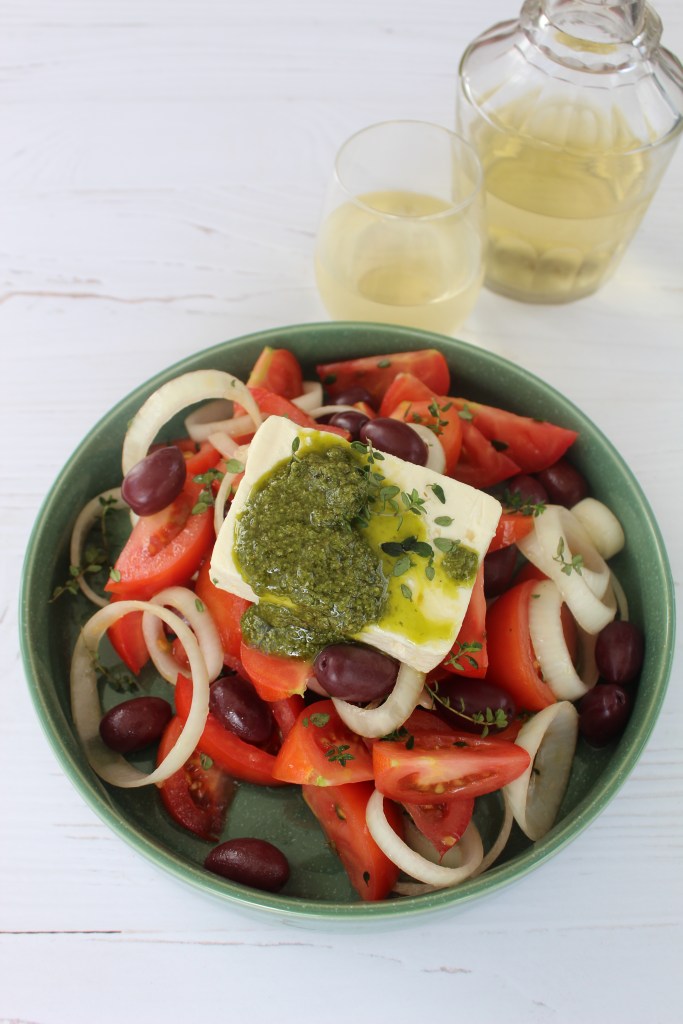
tomato, cut into wedges onion, cut into rings calamata olives feta cheese 1 batch Greek Pesto (from this blog)
Add all the ingredients except the pesto to a salad bowl, drizzle with olive oil and lemon juice and season with salt and pepper. Dollop several spoonfuls of greek pesto on the salad to add zing, flavour and happiness!!
250ml spelt 250ml fresh tomato, chopped 250ml cucumber, chopped 250ml marinated sweet peppers, chopped a handful of sprouts
Lemon Dressing: 62ml lemon juice 1 clove of garlic, minced 5ml dijon/wholegrain mustard 1,2ml salt ground black pepper 7,5ml honey 62ml olive oil
Cook the spelt according to the instructions on the packet and set aside to cool. Add the spelt, tomato, cucumber, peppers and sprouts to a large mixing bowl. Add the lemon juice, garlic, mustard, salt, a few grindings of black pepper and honey to a small mixing bowl and whisk together. Slowly drizzle in the olive oil while whisking continuously. Keep going until all the oil is incorporated and you have an emulsified mixture. Pour about half of the lemon dressing over the salad and mix through. The rest of the lemon dressing may be kept in the refrigerator.
250ml flour 5ml baking powder 1,2ml salt 45ml butter, cubed 2 eggs 15ml sugar 2,5ml salt 2,5ml ground cinnamon 125ml butter, melted ground cinnamon and sugar to sprinkle over
Add the flour, baking powder and salt to a mixing bowl. Add the butter and rub it into the dry ingredients with your fingertips. Add the eggs and 15ml sugar to another bowl and whisk together. Pour the egg mixture into the flour mixture and mix together. Fill a large saucepan at least 7-8cm deep with hot, simmering water. Add 2,5ml salt and 2,5ml cinnamon to the water. Spoon a teaspoonful of batter into the water. Add another 4 dumplings – do not crowd the saucepan- and gently simmer for 10 minutes. Remove with a slotted spoon and place in a heatproof dish. Drizzle with the melted butter and some cinnamon-sugar. Keep the dumplings warm while you cook the rest. Serve warm with extra cinnamon-sugar.
2.5 – 3kg oxtail vegetable oil 3 onions, chopped 4 clove of garlic, minced 60ml flour 5 carrots, peeled and chopped into chunks 2 bay leaves 2 x 400g tins of chopped tomato 250ml red wine 1,5l beef stock Worcestershire sauce
Dumplings: 250ml flour 7,5ml baking powder 2ml salt 60g butter, cut into small cubes 10ml dried mixed herbs 60-80ml milk
For the stew: Preheat your oven to 220℃. Add the oxtail to 2 large roasting tins and drizzle with the vegetable oil. Season with salt and pepper. Roast the oxtail for 20-25 minutes, until beautifully caramelised and golden. Set aside. Place a large saucepan on medium-high heat, add some vegetable oil and then add the onions. Cook until soft. Add the garlic and stir-fry for one minute. Sprinkle over the flour and stir while cooking for another minute. Now add the carrots, bay leaves, tomatoes, red wine, beef stock and about 6 dashes of Worcestershire sauce. Add the oxtail and whatever pan juices you have and bring to a simmer. Reduce the heat to a low simmer and partly cover with a lid. Simmer the oxtail for 3 hours, stirring every now and then. Remove the lid and check the consistency of the sauce – if it is too watery, simmer without the lid for 20-30 minutes longer. The sauce should be thick and rich and the meat should be fork tender.
For the dumplings: Add the flour, baking powder and salt to a mixing bowl and stir through. Add the butter and rub it into the flour mixture with your fingertips until it resembles breadcrumbs. Add the herbs and enough milk to form a soft dough. Spoon teaspoonful of the dough onto the oxtail stew and cover with a lid. Simmer for 15 minutes without opening the lid.
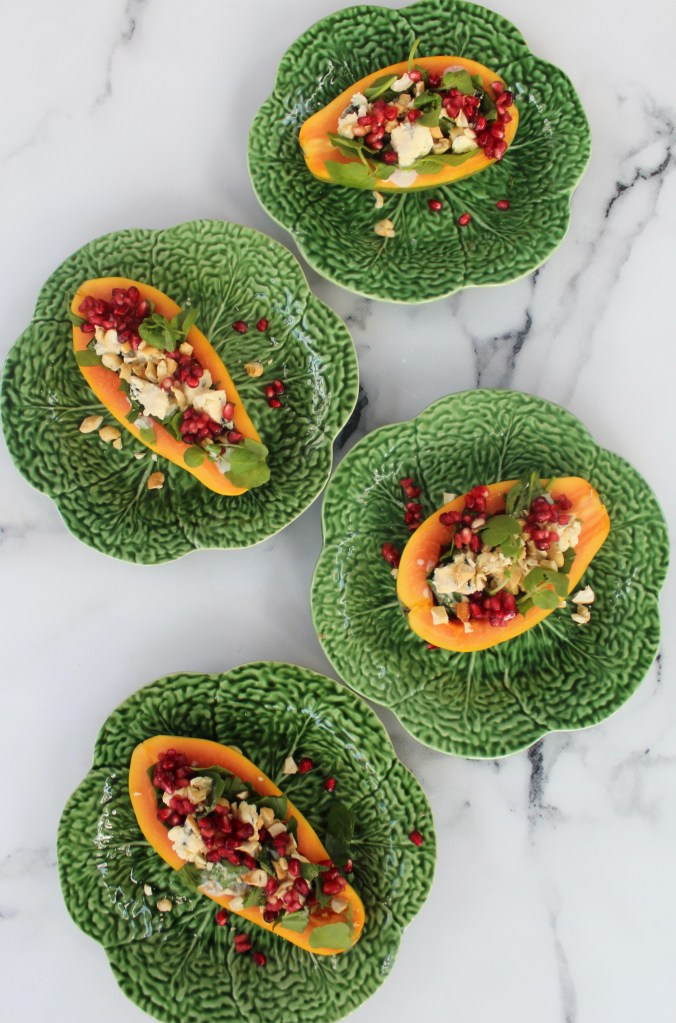
Peel, halve and deseed the papino and place it on a serving dish. Add some rocket leaves to the papino and break chunks of blue cheese and arrange it between the leaves. Place the 100g blue cheese and cream in a small saucepan and set it over a low heat. Stir the mixture until melted and the sauce has amalgamated. Generously spoon the sauce over the papino and rocket. Sprinkle the cashew nuts and pomegranate seeds over. Serve the papino with extra blue cheese dressing on the side.
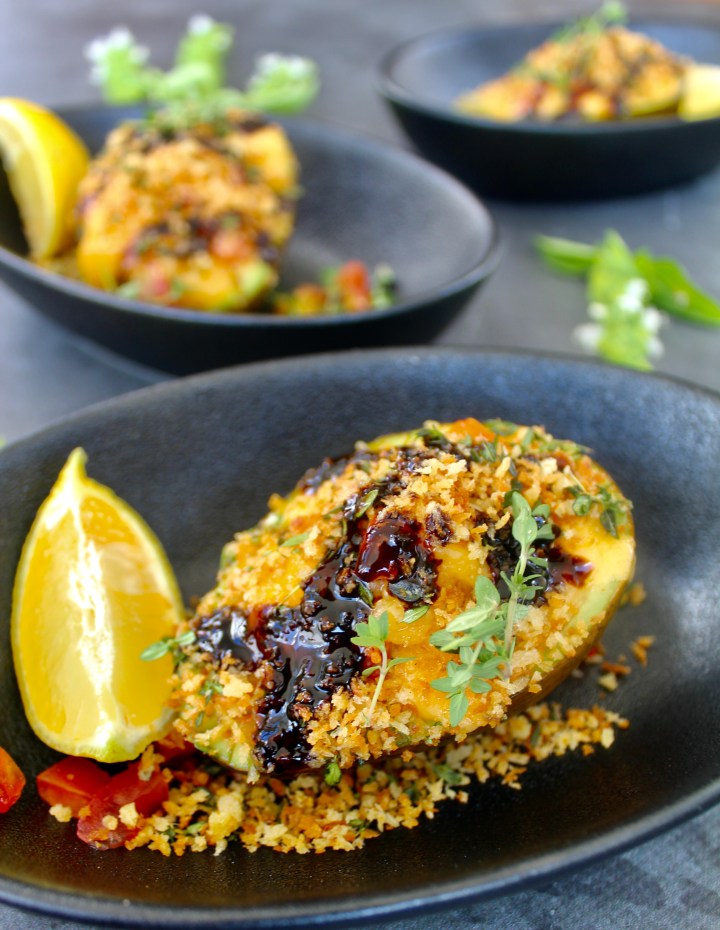
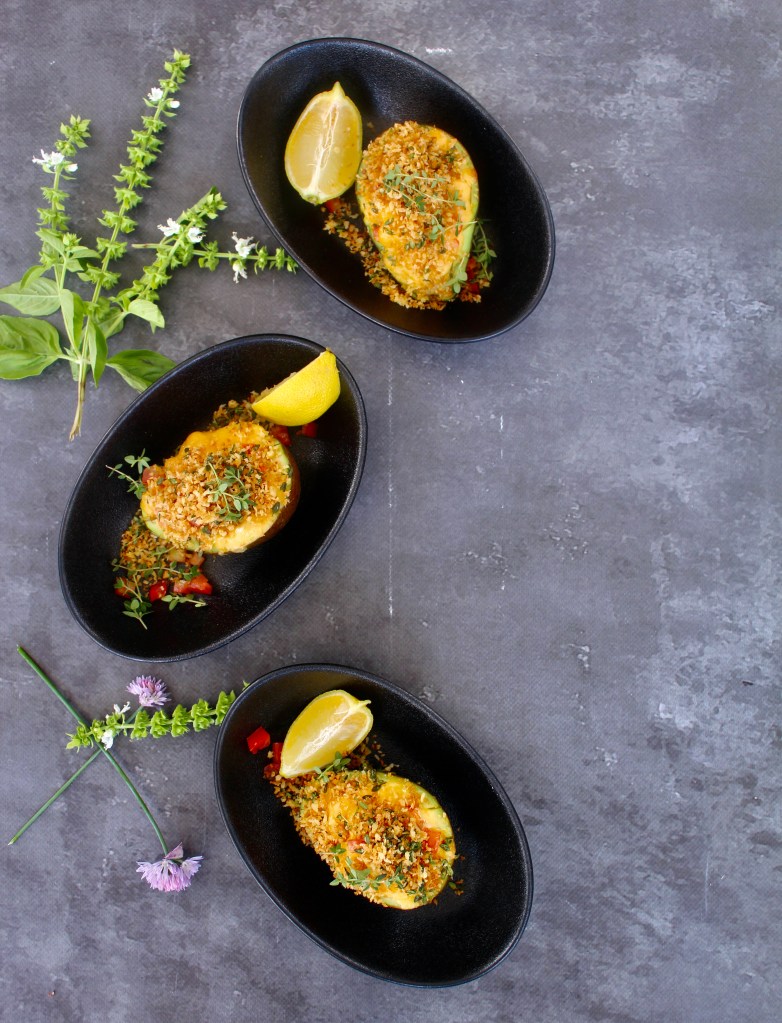
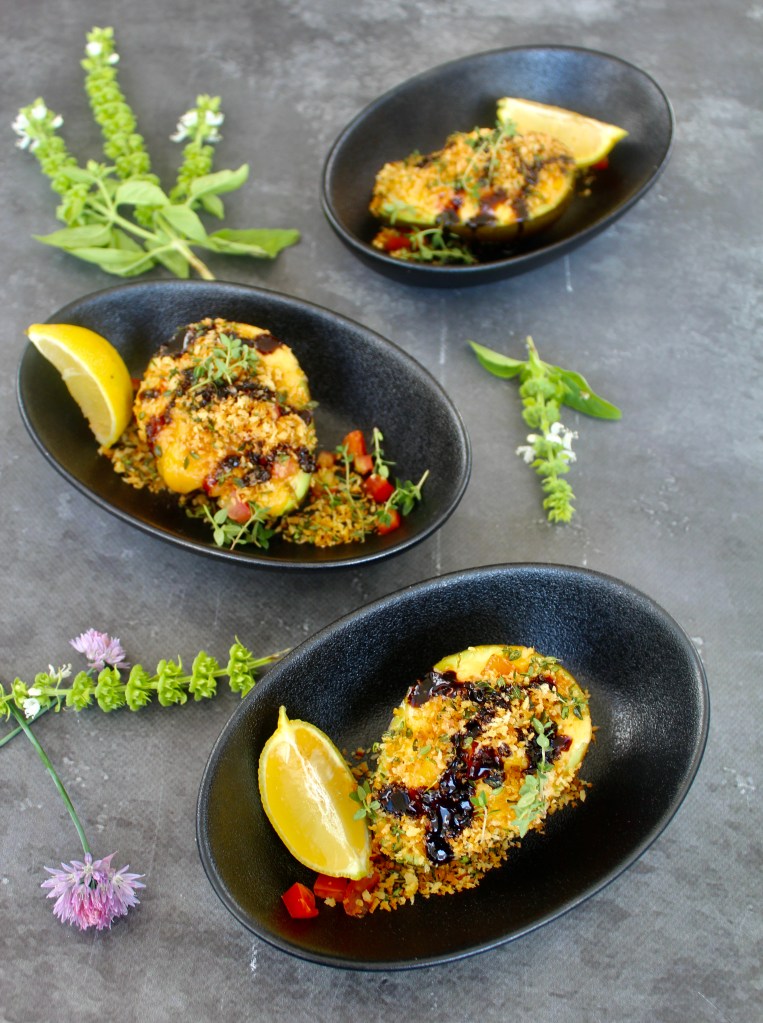
2 avocado pears 60ml cream cheese, room temperature 1 small onion, finely chopped 2 tomatoes, seeds scooped out and cut into small cubes 250ml grated cheddar cheese balsamic vinegar reduction
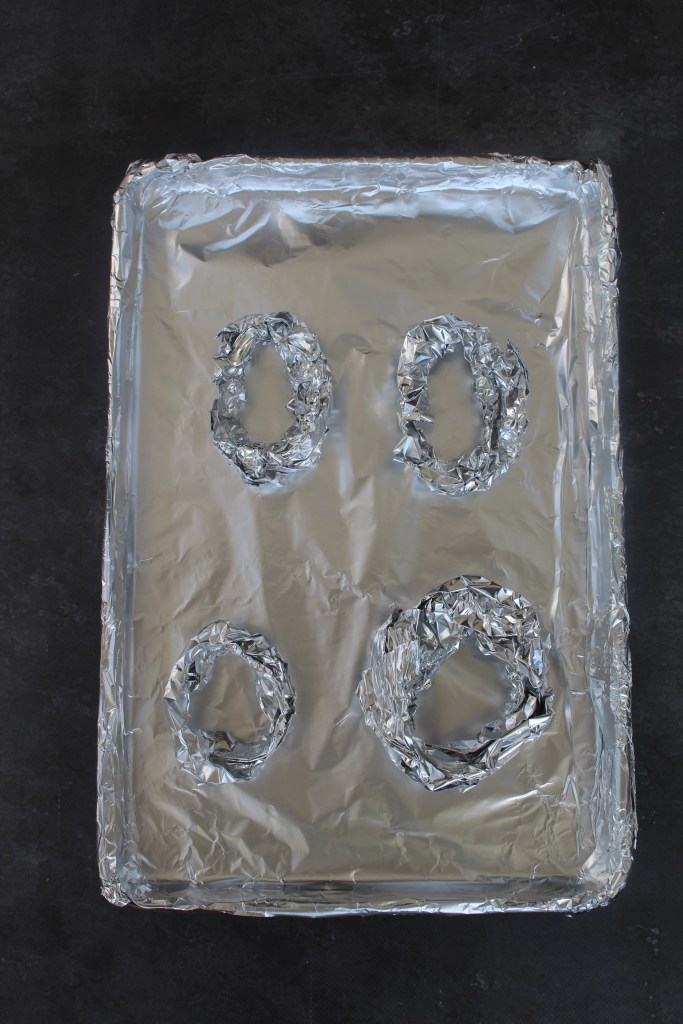
foil nests to rest the halved avocado pears in while baking
For the pangrattato: Add the oil and butter to a frying pan set over medium heat and allow the butter to melt. Fry the garlic for 1 minute while stirring. Add the breadcrumbs, thyme and nuts and stir around in the pan until toasted and golden. Take the mixture off the heat, spoon it into a bowl and allow to cool.
Preheat your oven to 180℃. Prepare foil baking nests for the avocado pear by scrunching strips of aluminium foil into circular shapes where the avocado can rest without tilting. Be careful not to cut your hands!!! Place the nests on a baking tray. Cut the avocado pears in half and remove the stone. Place each half on an aluminium nest and spoon 15ml cream cheese into the hollow. Mix the chopped onion, tomato and cheddar cheese and divide the mixture in four equal portions. Pile the mixture onto the avocado halves. Place the baking tray in the oven for 10 minutes or until the avocado is warmed throughout and the cheese has melted. Spoon a generous amount of pangrattato onto each avocado portion. Drizzle with balsamic vinegar reduction and serve slightly warm.
Add the flour, baking powder and salt to the bowl of a stand mixer fitted with the whisk attachment. Pour the milk, water, oil and eggs into a large jug and whisk together. Turn the mixer on a low speed and add the egg mixture in a thin stream. Turn the speed higher once the mixture comes together and keep adding small amounts of liquid until you have a thin, smooth mixture. Cover the bowl with plastic wrap and set aside for at least one hour. Heat a non-stick crépe / frying pan over medium-high heat and allow the pan to get hot. Pour enough batter into the pan to cover the bottom. Swirl the mixture around to coat the pan evenly and bake for one minute per side. Allow the baked pancakes to cool.
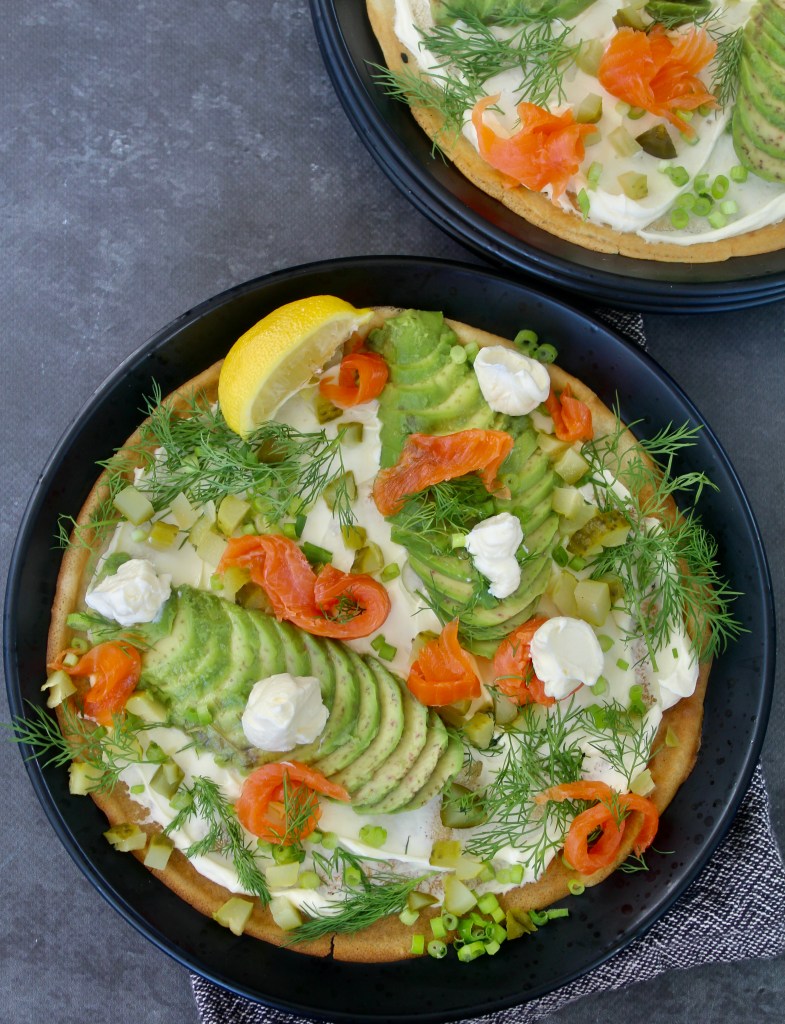
Place a pancake on a serving plate and spread some cream cheese onto it. Scatter the avocado, salmon, cucumber and dill over and squeeze some lemon over. Fold the pancake in half and serve with a glass of bubbly.
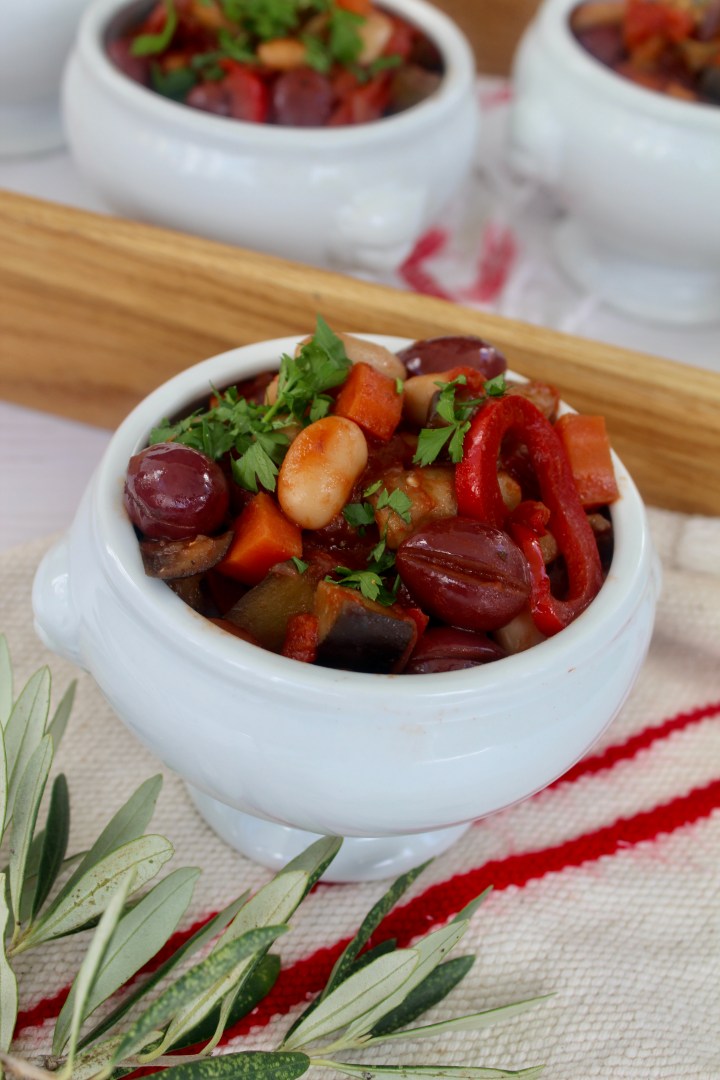
The traditional Italian cacciatore is made with poultry and celebrates generosity and variety. This is my vegetarian interpretation and will feed six people when served with mashed potato or polenta.
90ml olive oil 250g button mushrooms 2 medium aubergines, diced 2 onions, diced 2 cloves of garlic, minced 3 carrots, peeled and cut into small chunks 2 medium red sweet peppers, sliced in strips 250ml dry red wine 2 x 400g tins of chopped tomato 2 x 400g tins of butter beans 250ml whole black olives 500ml vegetable stock 125ml parsley, chopped 5ml salt black pepper
Heat the oil in a large saucepan on a high heat. Add the mushrooms and aubergine and fry for a few minutes until browned. Remove from the saucepan with a slotted spoon and keep aside. Lower the heat to medium and add the onion and garlic and cook until the onion is soft. Add the carrot and sweet peppers and fry for a minute or so. Pour in the wine and simmer until the wine is reduced completely. Add the tomato, beans, olives, stock and salt and simmer for 5-10 minutes, stirring occasionally. Add the cooked mushrooms and aubergine and stir through. Simmer for a further 5 minutes. Take the saucepan from the heat and add the parsley. Taste the dish and adjust the seasoning. Serve on mashed potato or polenta and a generous drizzle of olive oil.
Marinade: Pull the skin from the drumsticks and place them in an ovenproof ceramic dish. Mix the marinade ingredients together and pour it over the chicken. Turn the drumsticks so that it is covered in marinade and wrap the dish with plastic wrap. Refrigerate for 8 hours/overnight.
Preheat your oven to 200℃. Mix the flour and salt in a shallow dish. Whisk the egg and milk together in another shallow dish. Measure the breadcrumbs into a third, last shallow dish. Now dredge each drumstick through the flour, then the egg and finally the breadcrumbs. Arrange the drumsticks in an ovenproof dish, spaced so that they do not touch. Melt the butter and drizzle it evenly over the chicken. Place it in the oven to bake for 25 minutes. Pull out the dish and quickly turn each drumstick. Bake for another 25 minutes until crisp and golden. Serve the drumsticks piping hot.
Place a heavy based frying pan on medium-high heat and add some vegetable oil to it. Mix the flour and salt together in a shallow dish. Dredge the chops in the flour and fry 4 minutes per side. Keep warm. Add the stock, coconut milk, peanut butter, honey, ginger and salt to a small saucepan and place on medium heat. Whisk the ingredients together until the peanut butter has melted and the sauce comes together. Allow the sauce to simmer on a low heat for 3-4 minutes. Spoon the sauce on the pork chops and sprinkle some peanuts on top. Bon Appetit!






 My Whisk and I