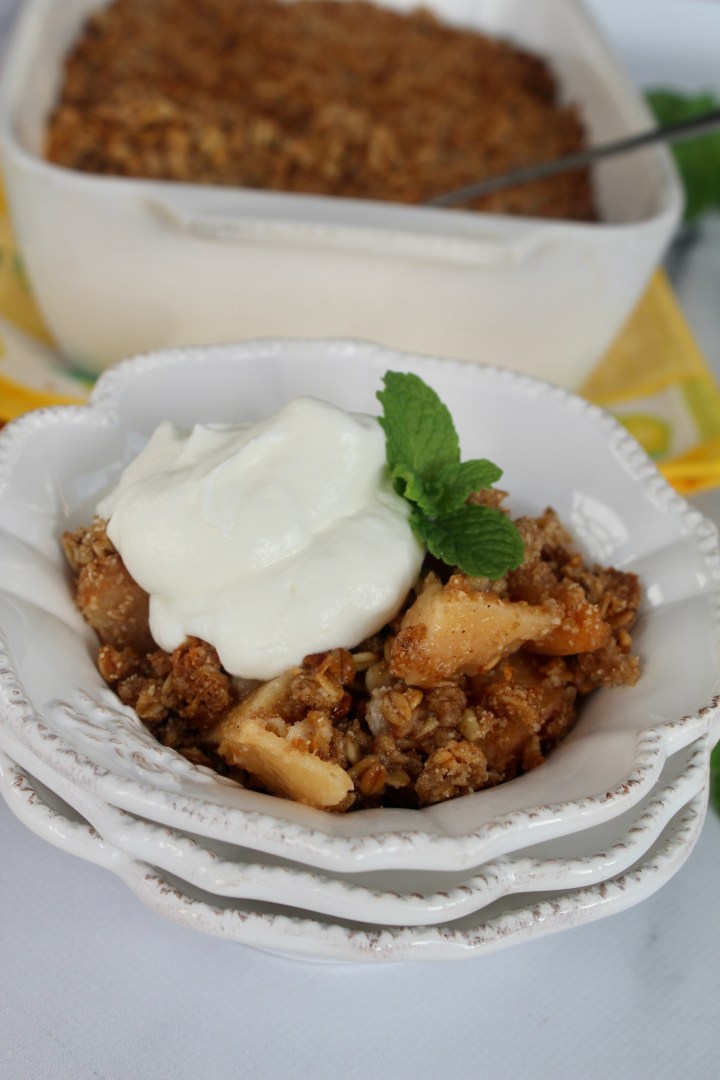
Quince Granola Crumble

Quince Granola Crumble

5-6 quince
250ml sugar
500ml water
5ml vanilla

Crumble:
250ml granola
250ml almond meal/ground almonds
5ml ground cinnamon
125ml brown sugar
60g butter, cubed

Quarter the quince and then halve each quarter. Peel and cut out the core. Set aside.
Add the sugar, water and vanilla to a saucepan set over medium-high heat and stir the mixture until the sugar has dissolved.
Add the quince slices to the poaching liquid and bring the mixture to a simmer.
Gently simmer the fruit until it can easily be pierced with a toothpick.
Take the saucepan from the heat and allow the quince slices to cool in the liquid completely.
Drain the quince and transfer the slices to a 18cm x 28cm ovenproof dish.

For the crumble:
Preheat your oven to 180℃.
Add the granola, almond meal, cinnamon, sugar and butter to a mixing bowl.
Rub the butter into the dry ingredients with your fingertips. Keep going until the butter is well distributed throughout the mixture.
Spread the crumb mixture evenly on the quince slices and bake for 30 minutes.
Serve the quince crumble with a scoop of ice cream or yoghurt.

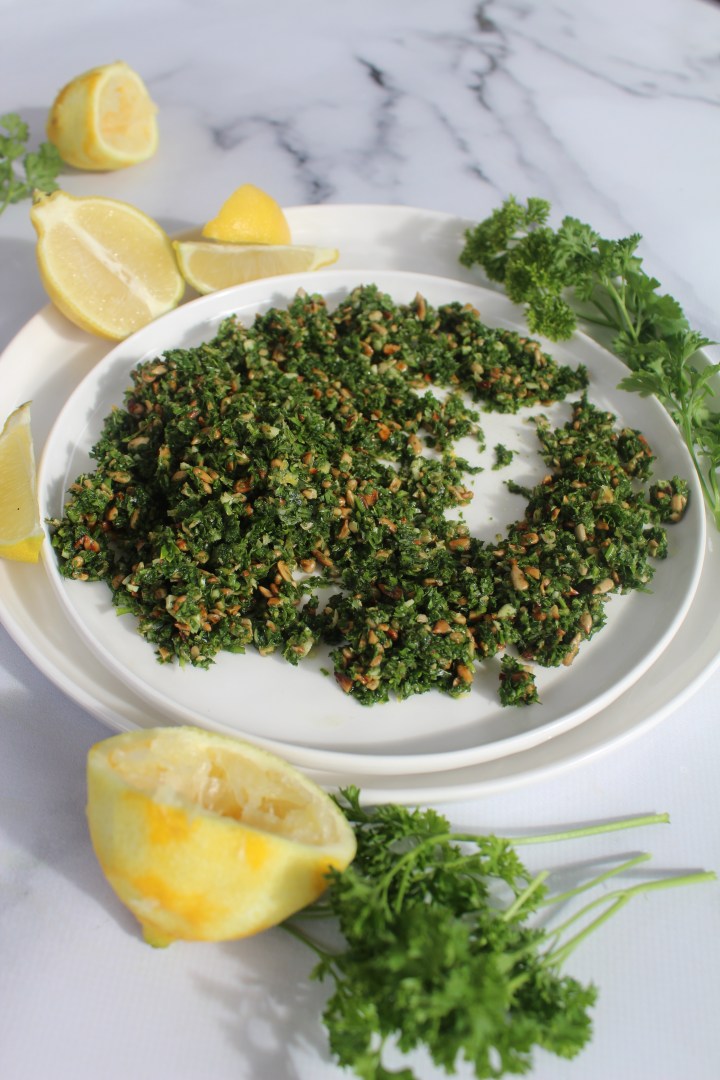
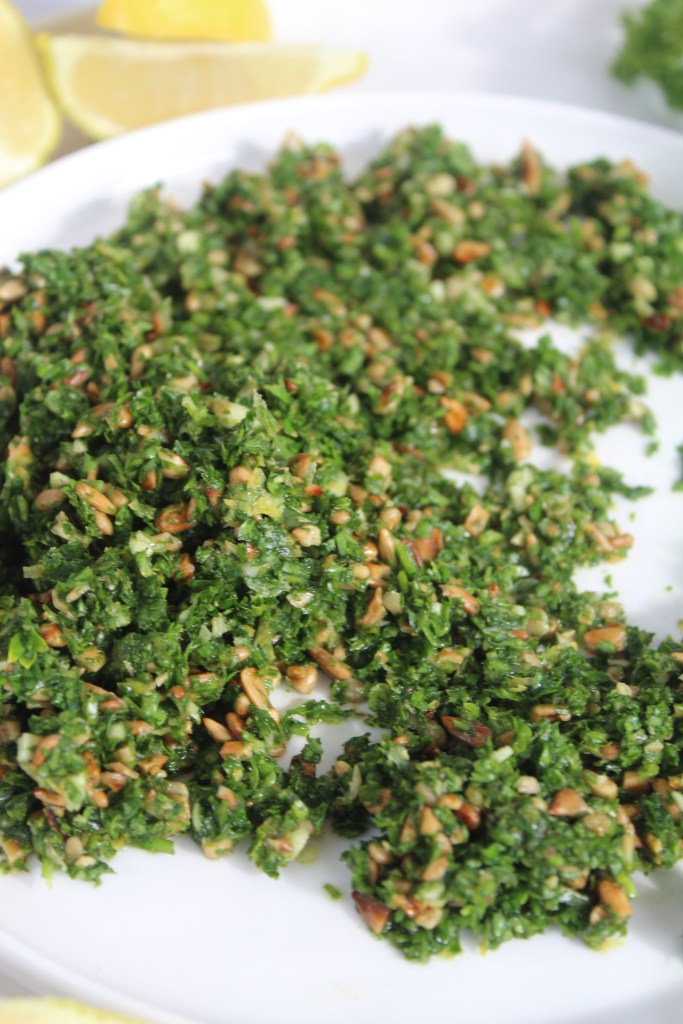
How to make Gremolata

How to make Gremolata

62ml pine nuts (or sunflower seeds)
a large bunch of parsley
2 cloves garlic, peeled
the zest of 1 lemon
a pinch of salt
the juice of 1 lemon
45ml olive oil

Place a large frying pan on medium heat and add the pine nuts. Shake the pan over the heat (or stir the seeds around with a spoon) until it starts to toast and change colour.
Remove the seeds from the pan immediately and set aside to cool.
Place the garlic, parsley and half the pine nuts on a chopping board and chop together until very fine.
Add the lemon zest and a pinch of salt and chop again.
Scrape the chopped ingredients into a small bowl and add the rest of the pine nuts to it.
Now add the lemon juice and olive oil and stir together to blend.
Serve the gremolata with rich dishes like oxtail, stew or simply add a bit of zingy crunch to any of your favourite foods.

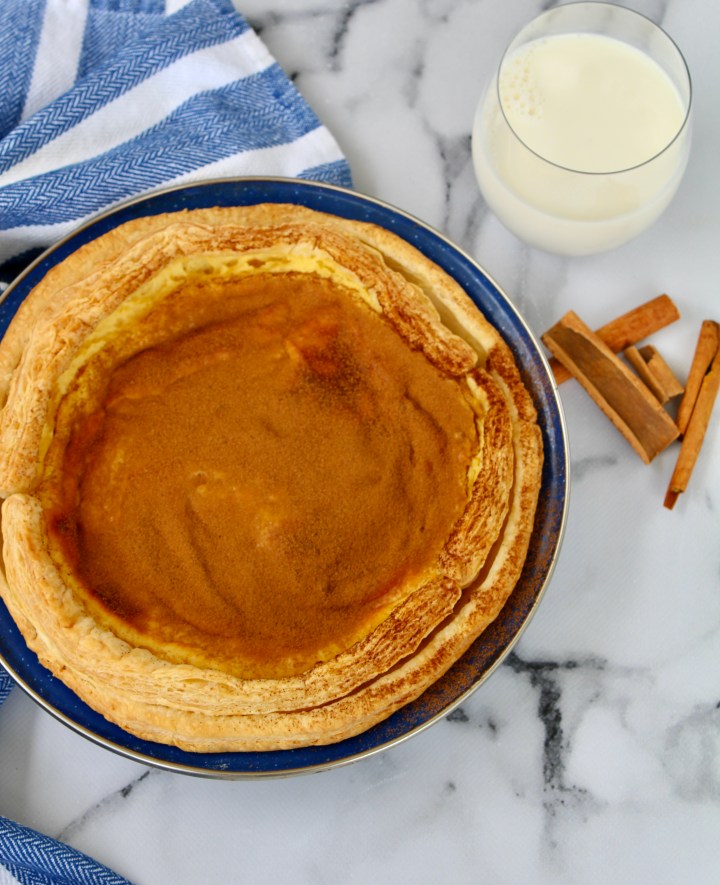
Crustless Milktart

Crustless Milktart

30g butter
200g sugar
5 eggs, separated
140g self-raising flour
a pinch of salt
1 litre milk
5ml vanilla
ground cinnamon for dusting

Preheat your oven to 180℃ and spray 2 x 22cm tart dishes with cooking spray.
Add the butter and sugar to the bowl of a stand mixer fitted with the paddle attachment.
Cream together until pale and fluffy.
Add the egg yolks one at a time with the engine running. Scrape the mixture down a few times during mixing.
Sift the flour and salt together and add spoonfuls to the mixture until everything is incorporated.
Turn the mixer to its lowest speed and drizzle in the milk.
Add the vanilla and mix through. Set aside.
Add the egg whites to a clean mixing bowl and beat until it reaches stiff peaks.
Add the stiff whites to the batter and fold it into the mixture.
Scoop the batter into the two prepared tart dishes and bake for 40 minutes.
Remove the milk tarts from the oven and sift over the ground cinnamon while the tarts are warm.
Allow the milk tart to cool completely before serving.

Pistachio Chocolate Brownies

Pistachio Chocolate Brownies

380g soft butter
320g chocolate, chopped
6 eggs
15ml vanilla
500g sugar
230g flour
5ml salt
300g pistachio nuts, roughly chopped

Preheat your oven to 180℃ and line an oven tray with aluminium foil.
Melt the butter and chocolate together over a very low heat.
Take from the heat and allow to stand for 10 minutes so that it cools down slightly.
Add the eggs, sugar and vanilla to a mixing bowl and beat with an electric whisk until the sugar has dissolved.
Now beat the egg mixture into the chocolate mixture.
Add the flour, salt and nuts and mix through.
Pour the batter into the prepared baking tray and bake for 30 minutes.
The top should be dried and pale and the middle still dark and gooey!!
Enjoy as is or serve slightly warm with vanilla ice cream.


Mustard Soup/Mosterd Soep

Mustard Soup/Mosterd Soep

Traditional Amsterdammers will insist that this soup be made with Groninger mustard but any good quality granulated mustard is perfect for this delicious soup. Serve it with fresh bread and extra fried bacon. Serves 4.

2 leeks, rinsed and sliced
1 onion, chopped
2 large potatoes, cut into small chunks
1 clove garlic, minced
50g flour
1 litre vegetable/chicken stock
62ml cream
30ml Groninger/granulated mustard
salt and pepper

Pour enough oil into a saucepan to cover the bottom and place on medium-high heat.
Add the leeks, onion and potato and cook until the leeks are soft. Stir often.
Add the garlic and fry for another minute.
Sprinkle the flour over the vegetables and stir-fry for another minute.
Pour in the stock and bring the soup to a boil.
Turn the heat down and simmer until the potatoes are very, very soft.
Blitz the mixture with a stick blender/liquidiser until completely smooth.
Add the cream and mustard and stir through.
Simmer the soup on a low heat for 15 minutes, stirring every now and then.
Add the bacon to a non-stick frying pan and cook until slightly crispy. Drain on kitchen paper.
Season the soup with salt and pepper.
Serve the soup piping hot with extra bacon scattered on top.

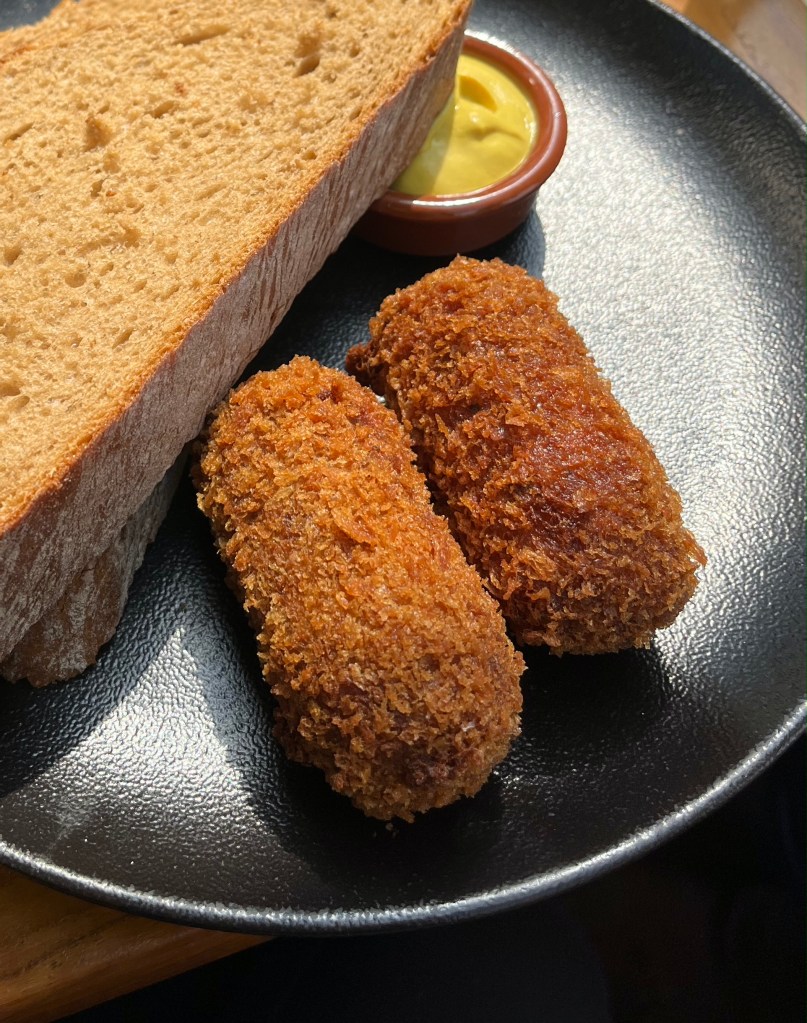
Bitterballen / Kroketten

Bitterballen / Kroketten

The difference between bitterballen and kroketten is the shape and only the shape. These Dutch delicacies are delicious as a snack, light lunch or eaten whenever the craving takes hold of you. Homemade bitterballen/kroketten are a mission to make BUT it is worth every ounce of energy that goes into the making!

1kg beef shin (beef shank), bone in
3 onions, sliced into quarters
45ml beef stock powder
salt and pepper
10ml parsley, chopped
250g butter
90ml flour
500ml panko/dried breadcrumbs
2 eggs
vegetable oil for frying

Place the beef shin (with the bone) and onions in a large saucepan and fill it with enough water to cover the meat. Add 10ml salt and bring to a low simmer.
Cook the meat for about 4 hours – it should literally fall from the bone. The shin benefits from being cooked low and slow in order to break down all the fibres and turn it into unctuous, gelatinous meat which in turn thickens the sauce in which it is cooked.
Take the meat from the saucepan and set aside.
Pour the broth through a fine sieve, season to taste with salt and pepper and then add the stock powder so that you have a salty broth.
Add the chopped parsley and set aside.
Pull the beef into very fine shreds and cut into small pieces necessary.
Now add the butter to a clean saucepan set over high heat.
Add the flour a little at a time while stirring constantly. Cook the mixture for 1 minute.
Pour the beef stock into the saucepan in a very thin stream, while whisking, JUST until you have a very thick sauce.
Take the sauce from the heat, stir in the meat and mix through.
Pour the mixture into a large roasting tin and allow it to cool.
Cover with plastic wrap and refrigerate overnight.
Place the breadcrumbs in a shallow bowl and break the eggs in another. Whisk the egg together.
Shape about 80ml of the beef mixture into cylinder/round shapes, dredge each one in the breadcrumbs, egg and breadcrumbs again.
Fry the kroketten in 180℃ oil, until golden.
Serve with a good mustard.

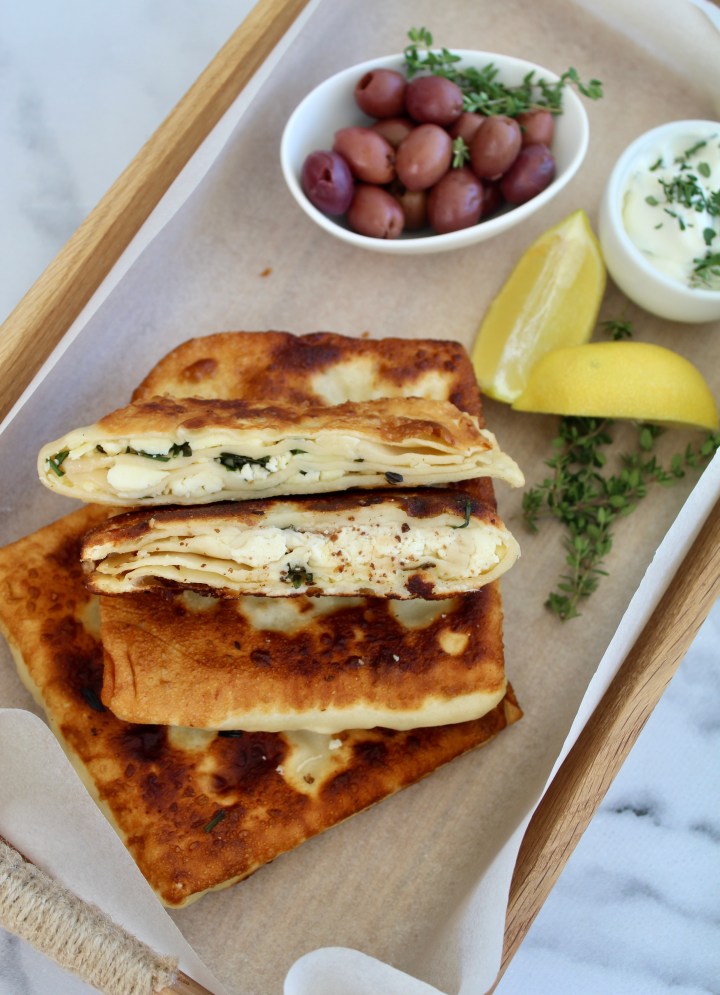
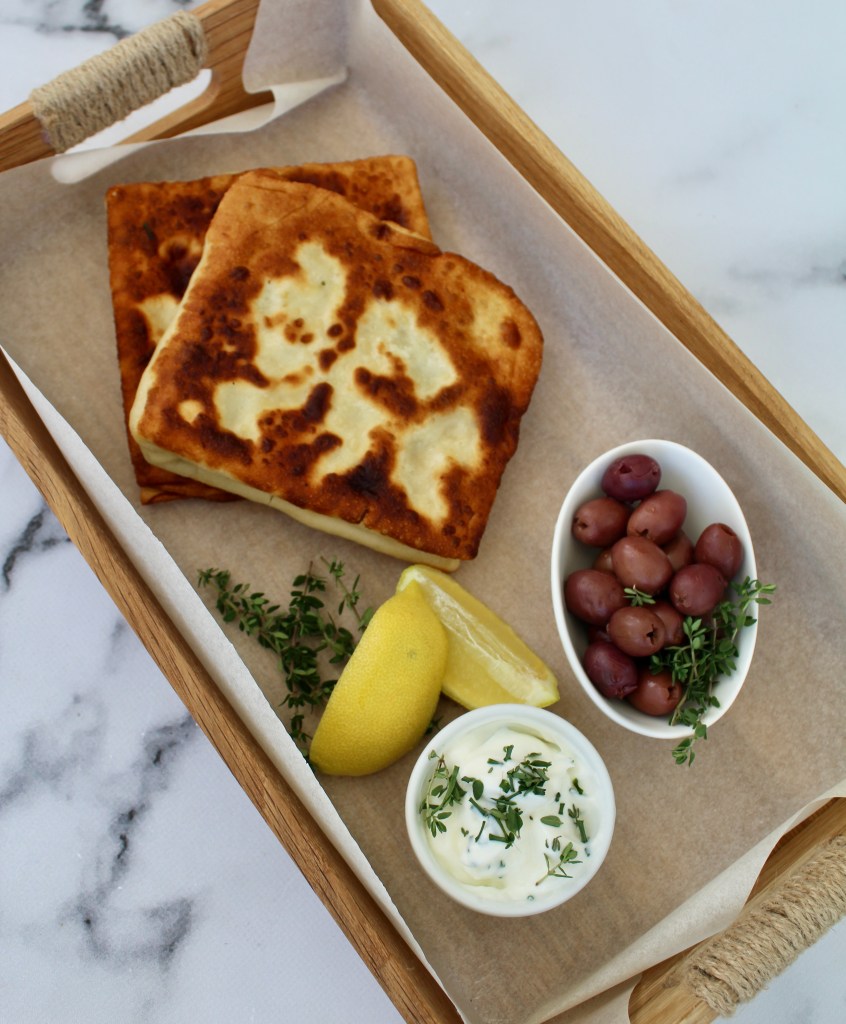
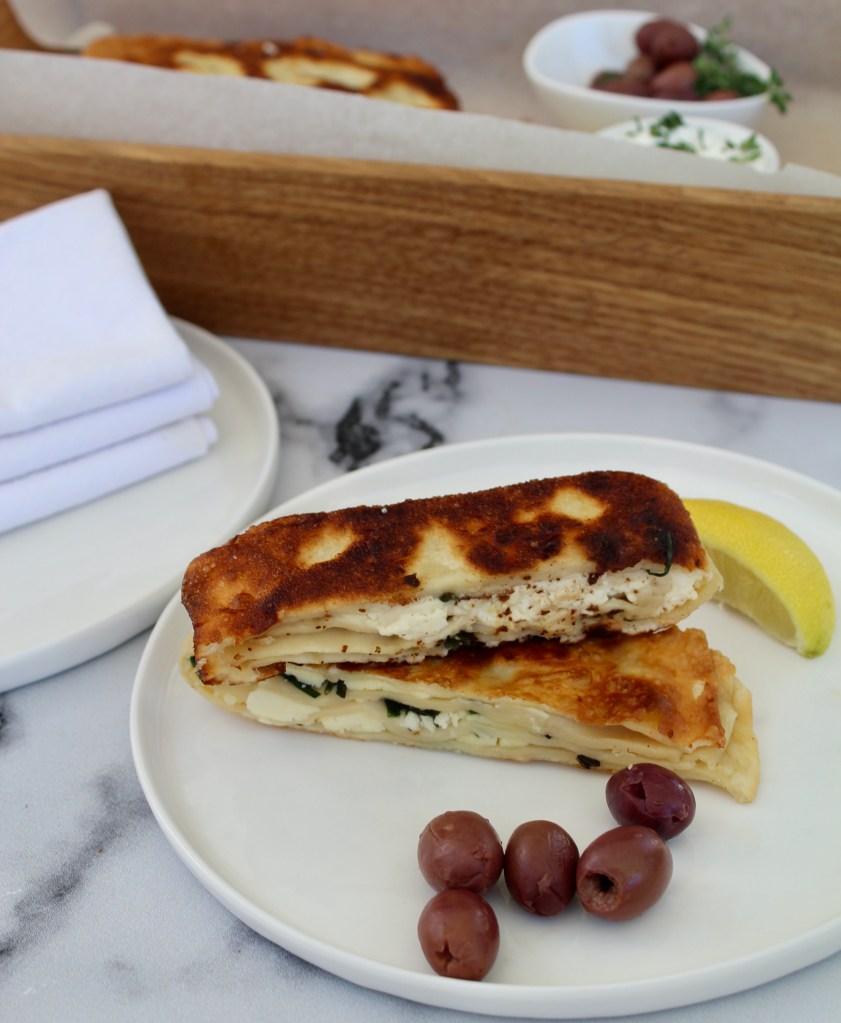
Greek Filled Flatbreads (Plakopsy)

Greek Filled Flatbreads (Plakopsy)

This is such an easy filled bread to make and is guaranteed to transport you straight back to that Greek Taverna on the beach and all its wonderful aromas and tastes!! It is crispy, subtly flavoured and makes a great addition to mezze. Yields four flatbreads.

1 egg
200ml water
a pinch of salt
450g flour
400g feta cheese, crumbed
60ml thyme leaves
60ml chives, chopped
50ml olive oil plus extra for brushing the breads

Add the egg, water and salt to the bowl of a stand mixer fitted with the dough hook and mix on low speed for a minute or so.
Add the flour a few tablespoons at a time with the engine running.
Mix/knead the dough until it comes together and no longer sticks to the sides of the bowl. About 2-3 minutes.
Divide the dough into 4 equal portions.
Flour a work surface and roll a piece of dough out as thin as you can, aiming to end up with a rough square of 25cm x 25cm.
Brush the square with some olive oil.
Sprinkle a little less than a quarter of the crumbed feta onto the top half of the square.
Now sprinkle some thyme and chives over the feta.
Fold the bottom half of the dough over the half with the cheese and lightly press it down with the palms of your hands.
Brush the folded half of dough with olive oil and sprinkle the rest of the quarter of feta over one half. Repeat with some herbs.
Fold the one half over the other and lightly press together. You will now have a 4-layer piece of dough with filling.
Repeat the process with the rest of the pieces of dough and filling.
Heat 50ml olive oil in a large frying pan set over medium-low heat.
Fry the breads for 3 minutes on each side, lowering/regulating the heat if you see them catching.
Serve warm with other mezze.

Chocolate-Biscuit Meringue

Chocolate-Biscuit Meringue

The recipe makes about 18 meringue biscuits.

4 egg whites, room temperature
220g caster sugar
5ml white vinegar
250ml ladies finger biscuits, chopped (or any other plain biscuit)
250ml almond slivers
160g chocolate of your choice; I used De Villiers Nut Butter with no added sugar

Preheat your oven to 150℃ and line 2 baking trays with baking paper.
Add the egg whites to the bowl of a stand mixer fitted with the whisk attachment and whisk on high speed until medium peaks form.
Add one tablespoon of sugar at a time, with the mixer running. Wait 30 seconds before adding the next tablespoon of sugar and continue until all the sugar has been added.
Whisk on high speed for 2 more minutes.
Add the vinegar and whisk 2 minutes more.
Take the bowl from the mixer and add the biscuits and almonds. Fold through.
Add the chocolate to a heatproof bowl set over a saucepan of simmering water and allow to melt completely.
Spoon a tablespoon of the meringue mixture onto the prepared tray and flatten slightly with the back of a spoon.
Spoon a teaspoon of the melted chocolate on the meringue and swirl it into the top.
Now reduce your oven temperature to 120℃ and place the trays in the oven. Bake for 30 minutes.
Turn off the oven, without opening the door and leave the meringue inside for another 30 minutes.
Remove the trays from the oven and leave the meringue on it until completely cold – another hour or so.

Store the meringue biscuits in an airtight container.


Bacon Cheesecake

Bacon Cheesecake

Please give this savoury cheesecake a try: it is magnificent!

125g salted biscuits
80g butter, melted
250g bacon, chopped
1 onion, finely chopped
500g ricotta cheese
500g cream cheese, room temperature
250ml parmesan/pecorino cheese, grated
4 eggs

Preheat your oven to 160℃ and line the sides only, of a 22cm loose-bottom cake pan with baking paper.
Add the biscuits to the bowl of a food processor and drizzle in the melted butter, with the engine running.
Scoop the mixture into the prepared cake pan and press it evenly on the bottom. Place in the refrigerator.
Put a frying pan on medium heat and add about 5ml vegetable oil to it. Add the bacon and onion to the pan and cook until done.
Take the pan from the heat and set aside to cool.
Add the ricotta, cream cheese, grated parmesan and eggs to the bowl of a food processor and process until you have a smooth mixture.
Pour this mixture over the cooled bacon and onion and stir to combine.
Spoon into the prepared base and bake the cheesecake for 45 minutes.
Serve at room temperature with balsamic roasted beetroot (recipe on this site) and roasted onions.


Milk Tart

Milk Tart

This recipe makes two standard sized tarts.

500g puff pastry

1litre + 250ml milk
250ml sugar
1 cinnamon quill
160ml flour
50ml custard powder
50ml cornstarch
5 eggs, separated
2,5ml baking powder
20g butter
5ml vanilla
ground cinnamon for dusting

Preheat your oven to 200℃ and spray two 22cm tart tins with cooking spray.
Dust a work surface with flour and roll the pastry to 3mm thickness. Line the tart tins – the pastry should be about 1cm larger that the tins to allow for shrinkage during baking.
Place the prepared tart tins in the refrigerator until needed.

Pour 1 litre milk into a saucepan and add the sugar and cinnamon quill. Turn the heat on medium-high and stir the mixture until the sugar has dissolved.
Heat the milk mixture until it starts forming tiny bubbles around the edges of the saucepan.
Remove from the heat and take out the quill. Set aside.
Add the flour, custard powder and cornflour to a mixing bowl.
Drizzle in the remaining 250ml milk while whisking, to make a slurry.
Add the egg yolks to the slurry and whisk together.
Slowly pour the warm milk-mixture into the slurry while whisking continuously. Remember: pour slowly, whisk quickly!
Pour the mixture back into the saucepan and return to a low heat.
Stir the mixture until it thickens and starts to bubble. Take off the heat, add the butter and vanilla, stir through and set aside.
Add the baking powder to the egg whites and beat until stiff peaks form.
Fold the egg whites into the custard and divide the mixture between the two prepared tart tins.
Bake the tarts in the oven for 25 minutes.
Remove from the oven and immediately sift some ground cinnamon on the surface.
Serve with your favourite brew of coffee.