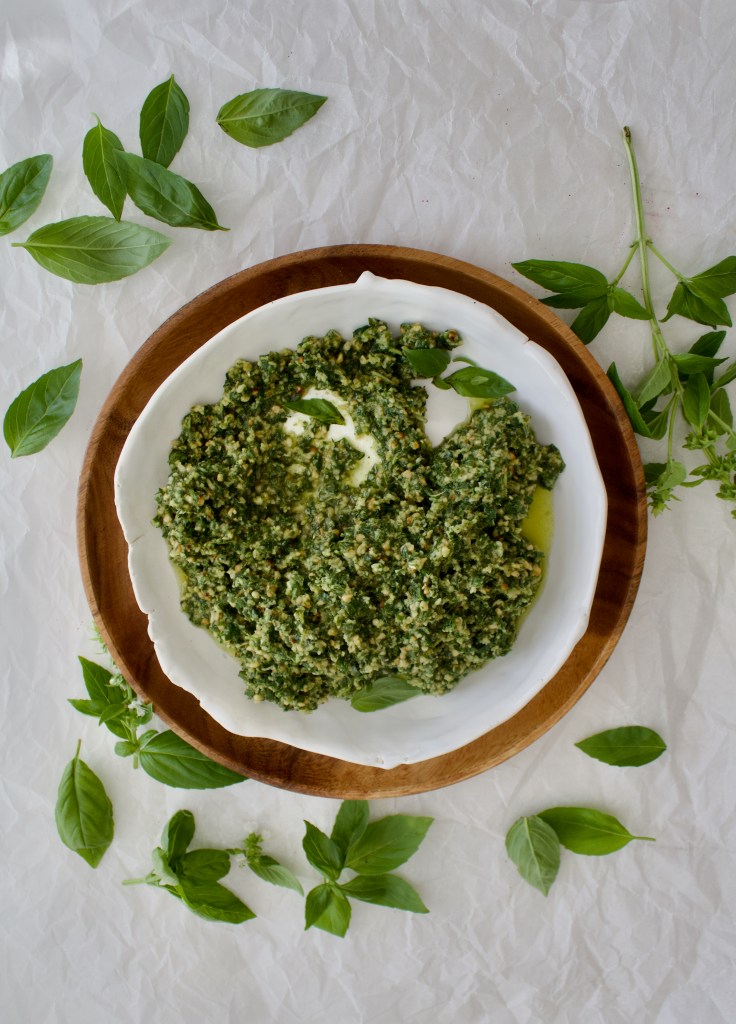
125ml pine kernels 500ml basil leaves 125ml grated parmesan cheese 3 cloves of garlic, minced 150ml olive oil plus extra 15ml lemon juice 2,5ml salt
Toast the pine kernels in a dry pan. Add all the ingredients to a food processor and blitz until you have a rough paste. Spoon the pesto into a glass container and pour some olive oil on top. Keep in the refrigerator for 4-5 days.
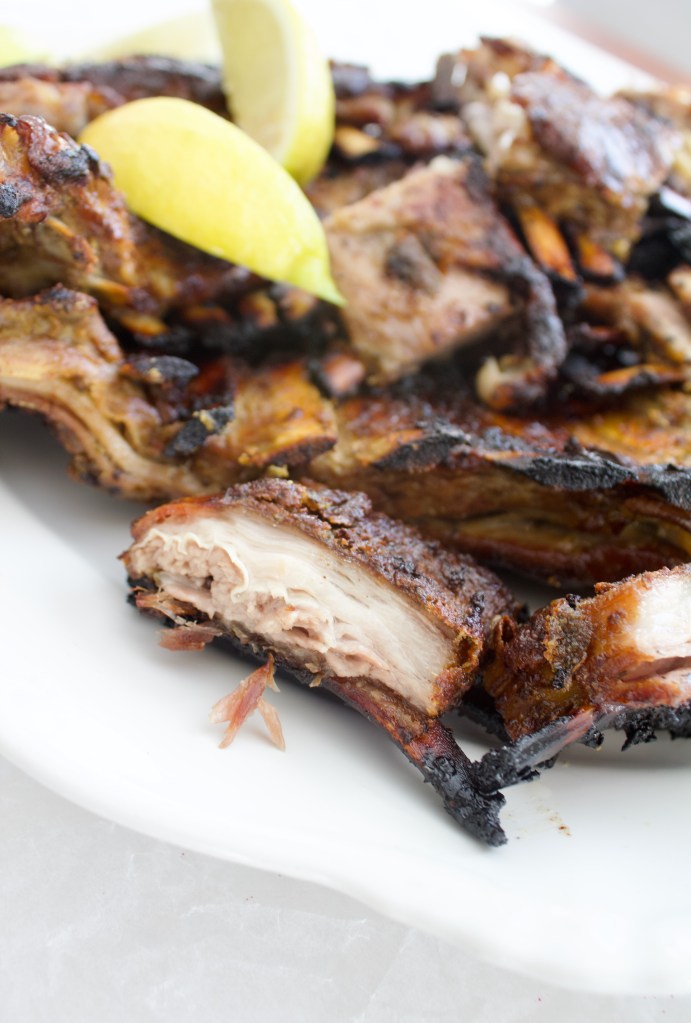
1.5kb lamb ribs 1 lemon, the zest grated finely 2 lemons, juiced 3 cloves of garlic, minced 15ml thyme leaves 15ml rosemary 50ml white wine 30ml olive oil 30ml honey 45ml wholegrain mustard 10ml salt
Preheat your oven to 180℃. Cut 2 pieces of baking paper, large enough to cover an oven roasting dish. Scrunch the paper into a ball, open it up and run it under cold water. Line your roasting dish with one of the wet pieces of paper. Set aside. Add the lemon zest, lemon juice, garlic, thyme, rosemary, wine, oil, honey, mustard and salt to a blender and blitz until smooth. Place the ribs in the prepared dish, pour over half of the sauce and spread it evenly over the meat. Flip the ribs over, pour the rest of the sauce over and spread it evenly. Cover the ribs with the other piece of wet baking paper and bake in the oven for 90 minutes. Remove the baking paper and bake for another 10 minutes or so until the ribs start to brown. Flip them over and bake the other side until golden. Serve immediately.
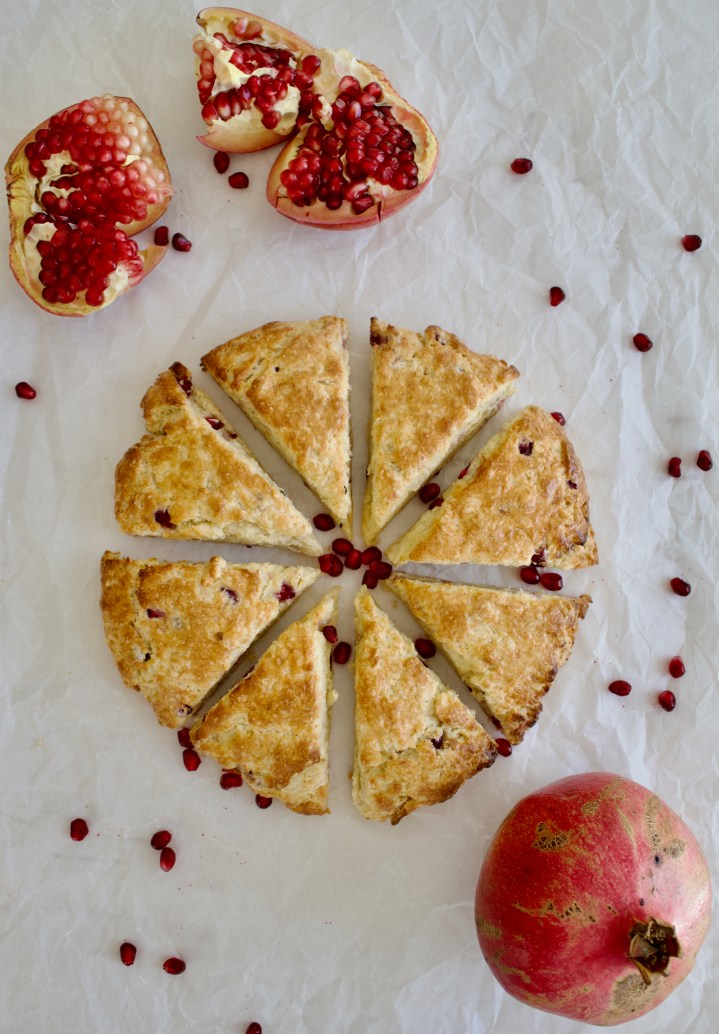
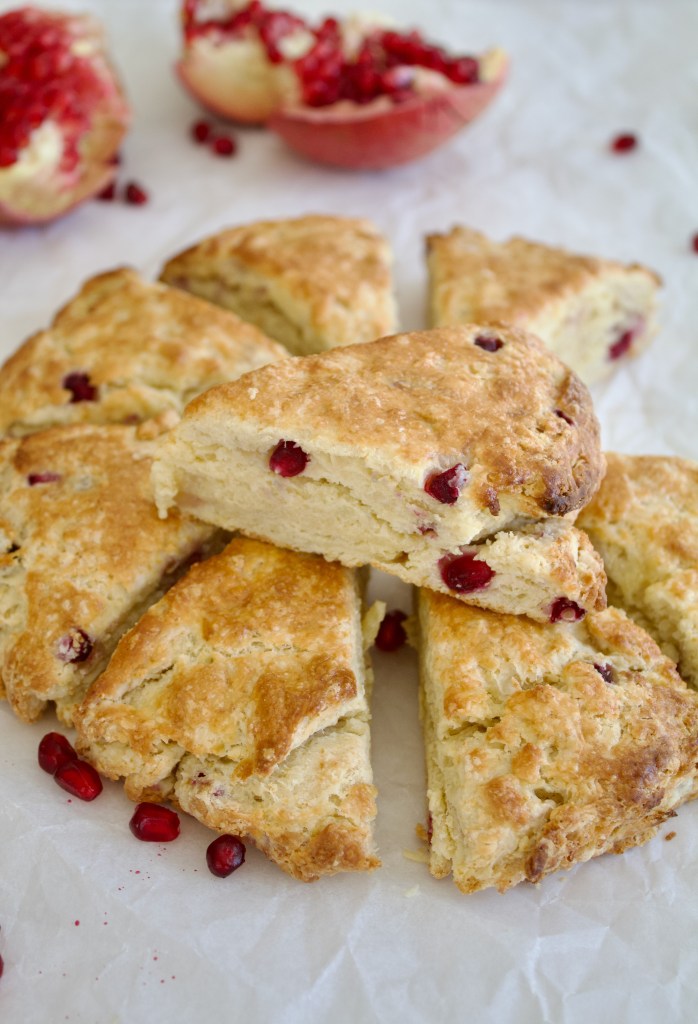
Preheat your oven to 180℃ and line a baking sheet with baking paper. Sift together the flour, baking powder and salt. Grate the butter into the flour. Now rub the butter into the flour with your fingers. Add the sugar, cream, yoghurt, egg and pomegranate seeds to a mixing bowl and whisk together to blend. Cut the mixture with a palette knife to mix together, i.e. cut straight down into the ingredients and turn the bowl. Keep on cutting and turning until the mixture comes together. Lightly dust a work surface and turn the dough out onto it. Push the dough together even if there are bits that look dry. Shape the dough into a rectangle by rolling it out on the surface. Now turn up a third of the length and then turn over a third of the top part. Roll this out to a thickness of 3,5cm and then shape the dough into a circle with your hands. Place the disc on the prepared baking sheet and cut it into 8 wedges. Brush the top of the scones with the egg wash and bake for 15 minutes. Remove from the oven and cool on a cooling rack for another 15 minutes before serving.
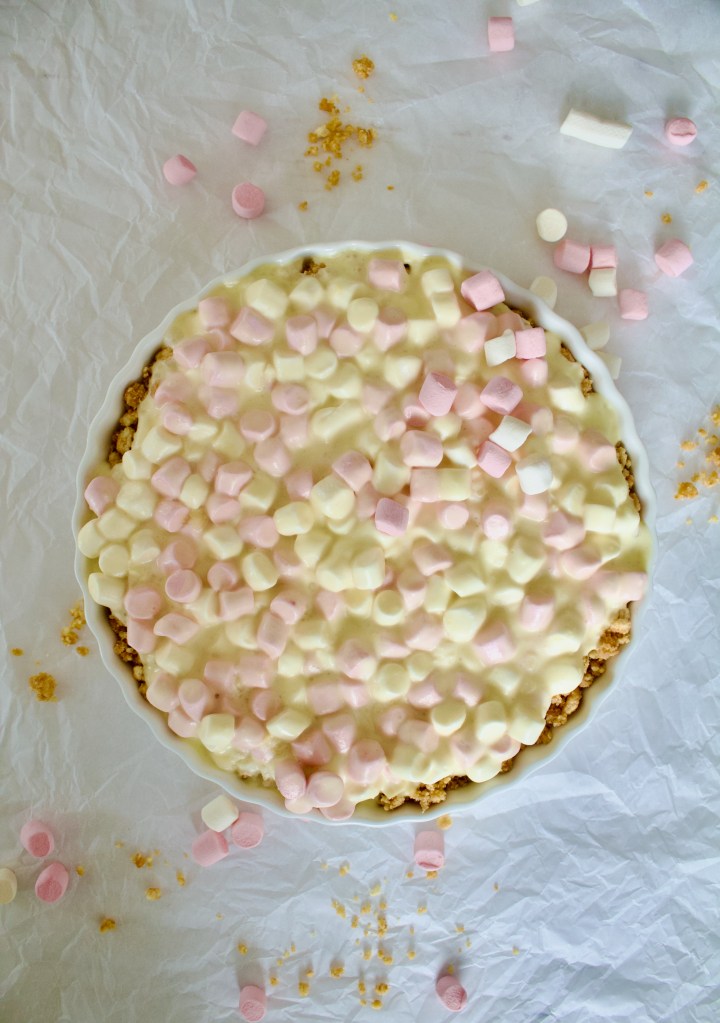
200g coconut biscuits 90g butter 1 x 385g can condensed milk 30ml lemon juice 250ml cream 5ml vanilla 150g mini marshmallows
Break the biscuits into a plastic bag and smash it to crumbs with a rolling pin. Pour into a mixing bowl. Melt the butter and drizzle over the biscuits. Mix together. Press the biscuit mixture into the base and sides of a 22cm pie dish and refrigerate for 30 minutes. Pour the condensed milk and lemon juice into a mixing bowl and whisk together. Pour the cream into another bowl and whisk to stiff peaks. Add the whipped cream, vanilla and marshmallow and fold everything together until the ingredients are evenly distributed. Take the chilled biscuit base from the refrigerator and pour the filling into it. Place the tart back into the fridge for another hour before serving.
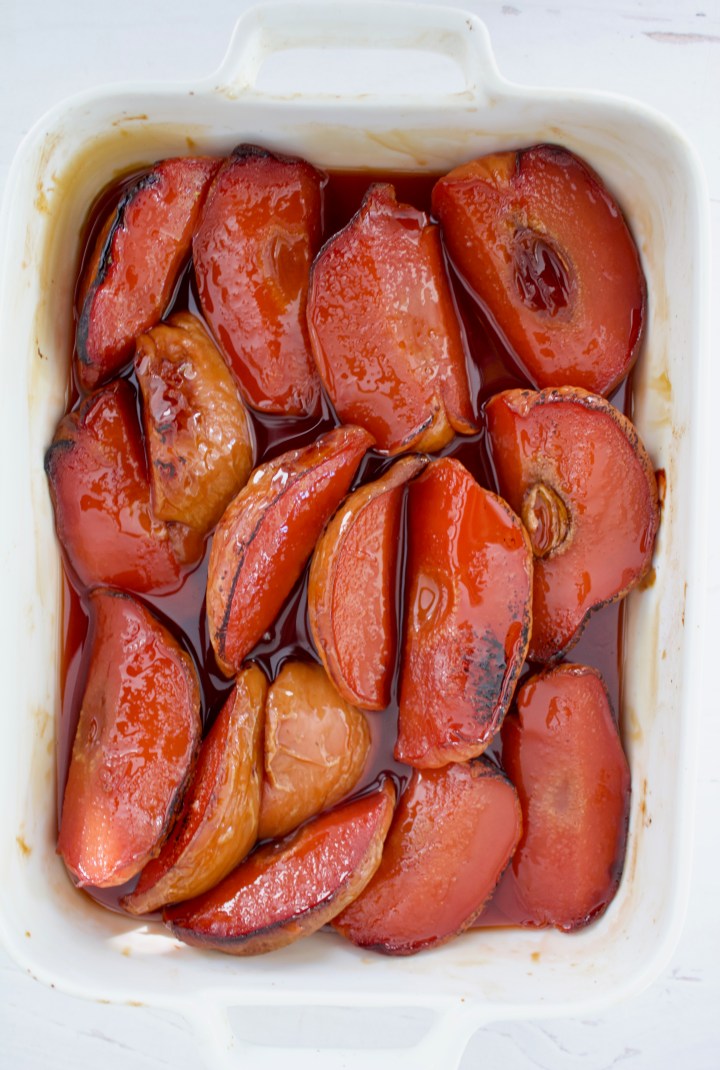
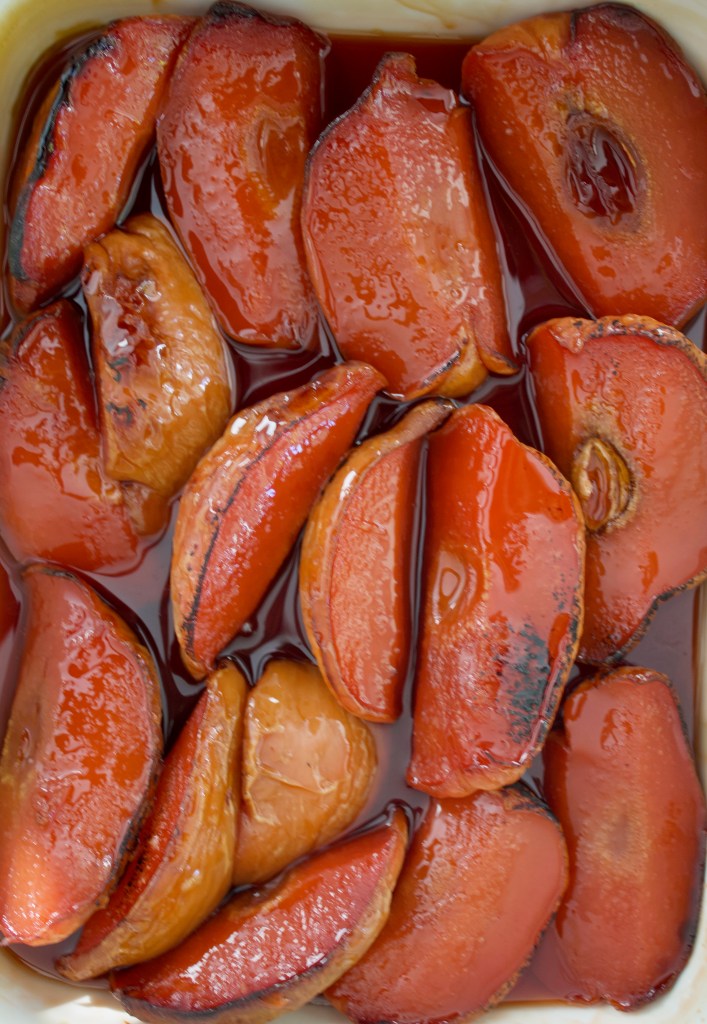
600ml water 100g honey 250g brown sugar 1 lemon 4 quince
Preheat your oven to 150℃. Add the water, honey and brown sugar to a small saucepan. Cut the zest from the lemon, add the strips and place the saucepan over a gentle heat. Stir until the sugar has dissolved, bring to a boil and simmer for two minutes. Take the syrup from the heat and set aside. Wash the quince under running water and cut each into quarters. Remove the core but keep the skin on. Slice the lemon (from which you took the zest) in half and rub it over the sliced quince to prevent it from turning brown. Arrange the fruit in an ovenproof dish (they should sit snugly) and pour the honey-syrup over. Place a piece of baking paper directly on the quince and then cover the dish with aluminium foil. Bake in the oven for 3 hours. Remove the foil and baking paper and spoon the syrup over the fruit. Turn your oven to 180℃ and roast uncovered for 25 minutes. Serve warm with roasted meat or with a scoop of ice-cream as dessert. Cold quince is delicious on top of cooked oats as breakfast.
1kg sweet potatoes 60ml butter, softened 5ml salt 1,2ml cinnamon grated zest of one orange 30ml orange juice 125ml cream 60ml brown sugar
Pecan crumble: 250ml pecan nuts 30ml brown sugar 2,5ml salt 30ml butter, softened grated zest of one orange
Preheat your oven to 200℃ and line a baking sheet with aluminium foil. Wash and dry the sweet potato and space them evenly apart on the baking sheet. Place in the oven for one hour, remove and cool until the sweet potato can be handled comfortably. Spray an ovenproof dish of 20cm x 20cm with cooking spray. Scoop the flesh from the sweet potato and add it to a food processor with the butter, salt, cinnamon, orange zest, orange juice, cream and brown sugar. Process until smooth. Pour the mixture into the prepared baking dish and set aside.
Add the pecan nuts, sugar, salt, butter and orange zest to a food processor and blitz together. Sprinkle the crumble over the sweet potato mixture. Bake in the oven for 25 minutes, remove and serve warm.
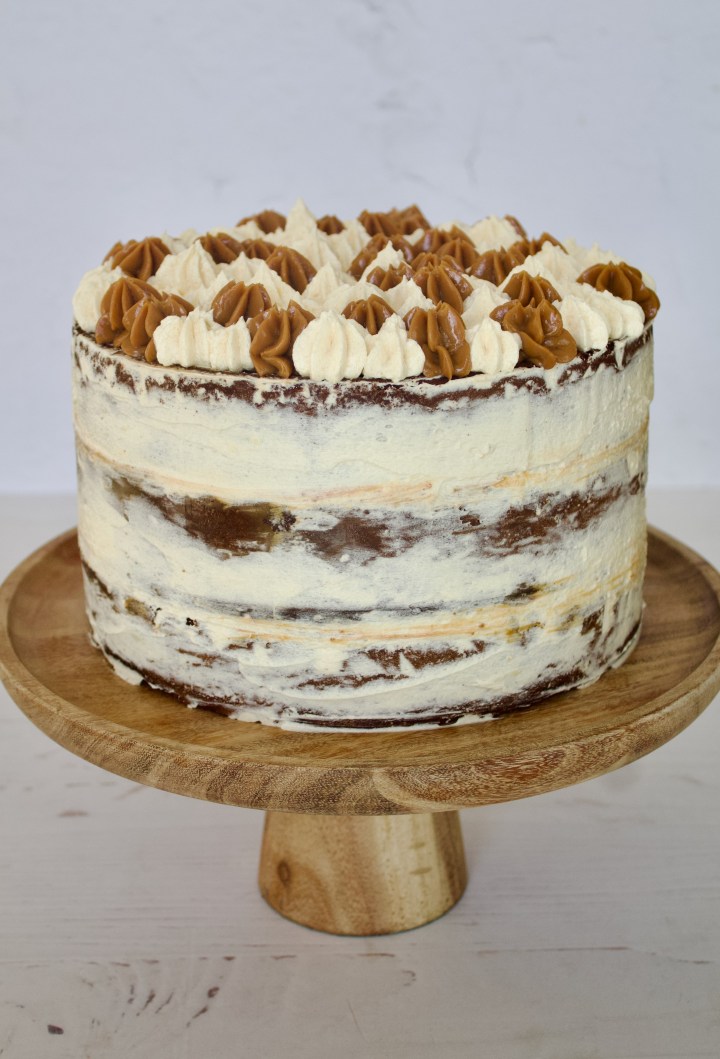
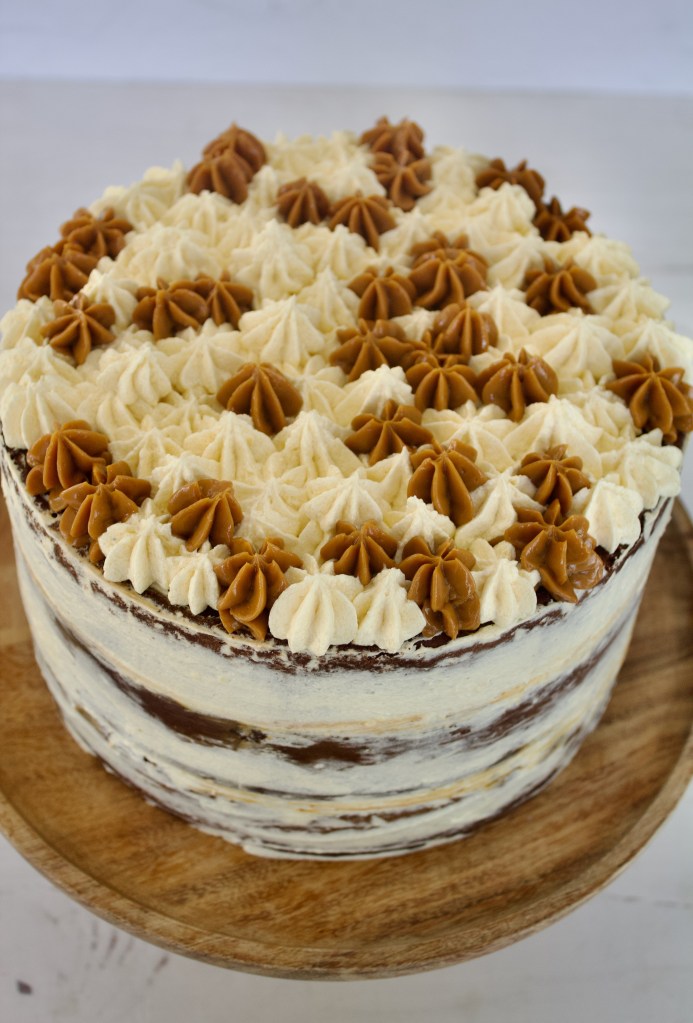
Preheat your oven to 180℃ and line two 22cm cake tins with baking paper. (If you want a cake with three layers, double the batter and divide between three baking tins.) Add the butter and sugar to the bowl of a stand mixer fitted with the paddle attachment and beat on high speed until soft and creamy, scraping the mixture down once or twice during the mixing. Add the eggs one at a time with the mixer running and then add the vanilla. Add the flour, baking powder, salt and cocoa powder to a bowl and mix through. Add two spoonfuls of the dry ingredients and follow it up with a splash of milk, while the mixer runs on slow speed. Keep going until all is incorporated. Divide the batter between the baking tins and bake for one hour. Remove and allow the cakes to cool in the tins before removing and cooling on a wire rack. Frost as desired.
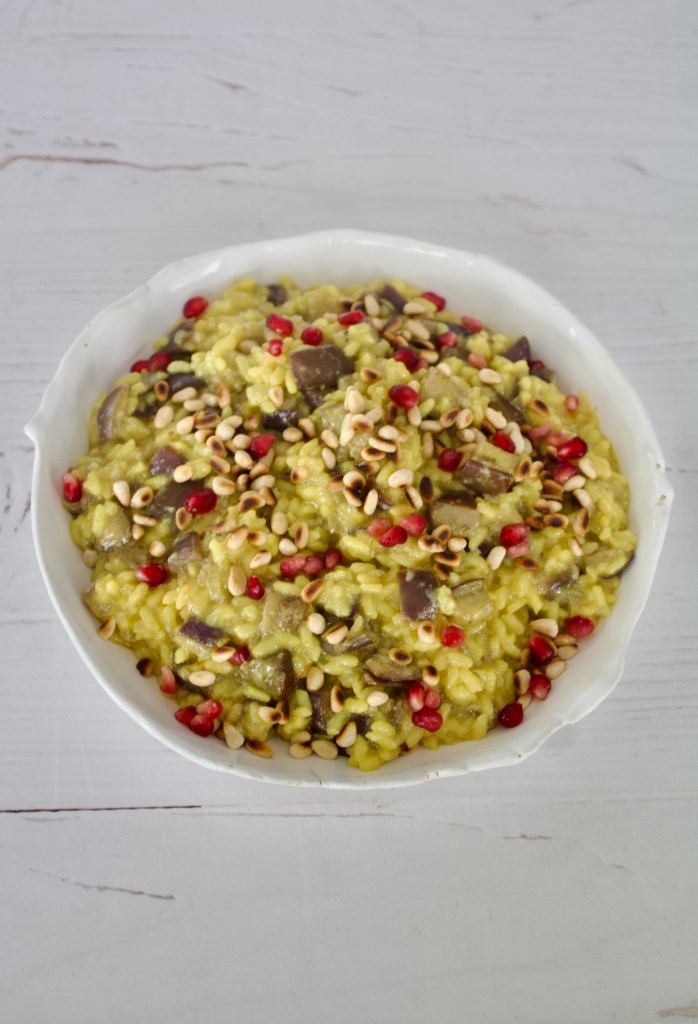
350g aubergine, cubed 2 litres chicken/vegetable stock 45ml butter 45ml vegetable oil 1 onion, finely diced 3 cloves of garlic, minced 350ml arborio rice 100ml white wine a pinch of saffron 150g parmesan cheese, grated 45g butter, cubed 100g pine kernels
Place a large pan on medium-high heat and pour in enough vegetable oil to cover the bottom. Add the cubed aubergine and a generous sprinkling of salt and cook until soft, stirring occasionally. Set aside. Pour the stock into a saucepan, bring to a boil and then turn the heat down to a low simmer. Set a large, wide saucepan on medium-high heat and add the butter and olive oil to it. Add the onion and cook until translucent. Add the garlic and stir-fry for 1 minute. Add the rice and stir to coat in the butter and oil. Fry for 2 minute. Add the saffron to the white wine and pour into the pan. Keep stirring until the liquid has evaporated. Add about 2 soup ladles of chicken stock and simmer until the stock is absorbed. Continue cooking the rice, adding half a cup of stock at a time, stirring and allowing each addition of stock to absorb before adding the next, until the rice is tender but still firm to the bite. Add the cooked aubergine and cook for 2 minutes. Remove the risotto from the heat, add the parmesan and stir through. Add the butter and scatter the pine kernels over. Serve immediately.
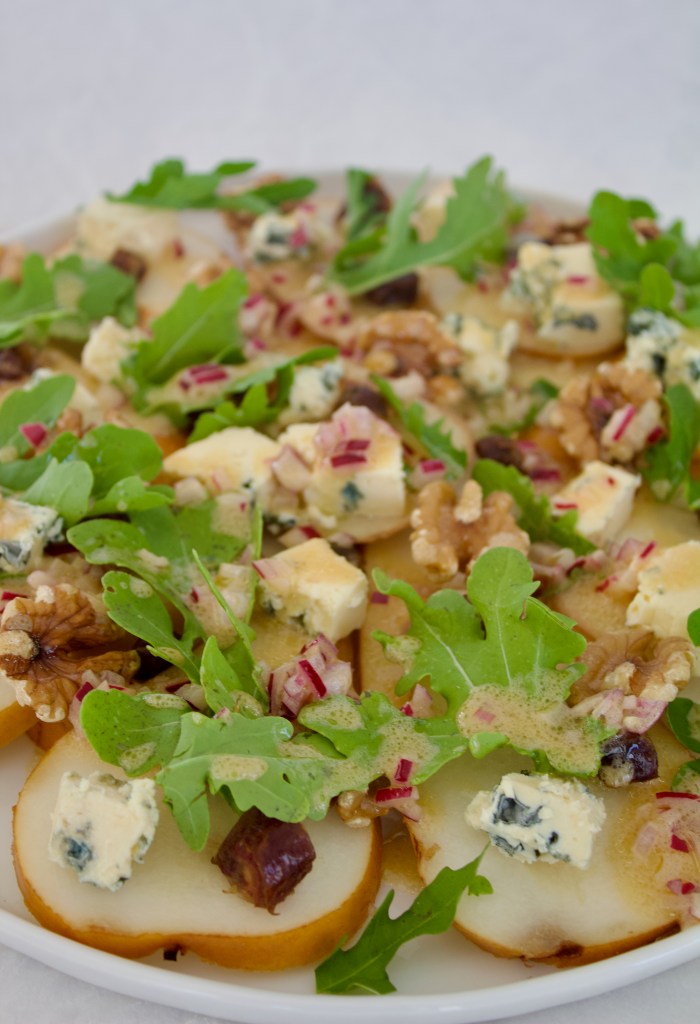
3-4 pears 6-8 dates 50g walnuts 100g gorgonzola/blue cheese, broken up into chunks 150g rocket leaves
Dressing: half a red onion, very finely chopped 15ml red wine vinegar 15ml Dijon mustard 15ml cold water 45ml olive oil
Slice the pears into 3-4mm thick slices and arrange them on a serving platter, overlapping slightly. Cut the dates into quarters and scatter evenly over the pears. Scatter the walnuts over as well as the blue cheese. Top the salad with the rocket leaves.
For the dressing: Add the onion, vinegar, mustard and water to a small bowl and whisk together. Drizzle in the olive oil while whisking continuously until all is incorporated and the dressing is amalgamated.
about 9 small aubergines 125ml flour 5ml salt and a few groundings of black pepper 125ml water 100g all bran breakfast cereal
Preheat your oven to 190℃ and line a baking sheet with aluminium foil. Place the aubergine on the prepared baking sheet and prick the skin and flesh all over with a fork. Place in the oven and bake for 40 minutes, remove and allow to cool completely. Carefully peel off the skins and place the aubergines back on the tray. Squash the flesh with a fork so that the flesh spreads out to an even thickness. Set aside. Add the flour, salt, black pepper and water to a bowl and stir to make a thin batter. Add the all bran flakes to a food processor and blitz to rough crumbs. Pour the cereal in a shallow bowl. Now dip an aubergine in the batter, covering both sides and allow the excess batter to drip off. Place the aubergine in the cereal and coat on both sides. Place a pan on medium-high heat and add some vegetable oil to it. Wait for the oil to heat up and fry the aubergine for 2 minutes per side until golden and crispy. Serve warm.