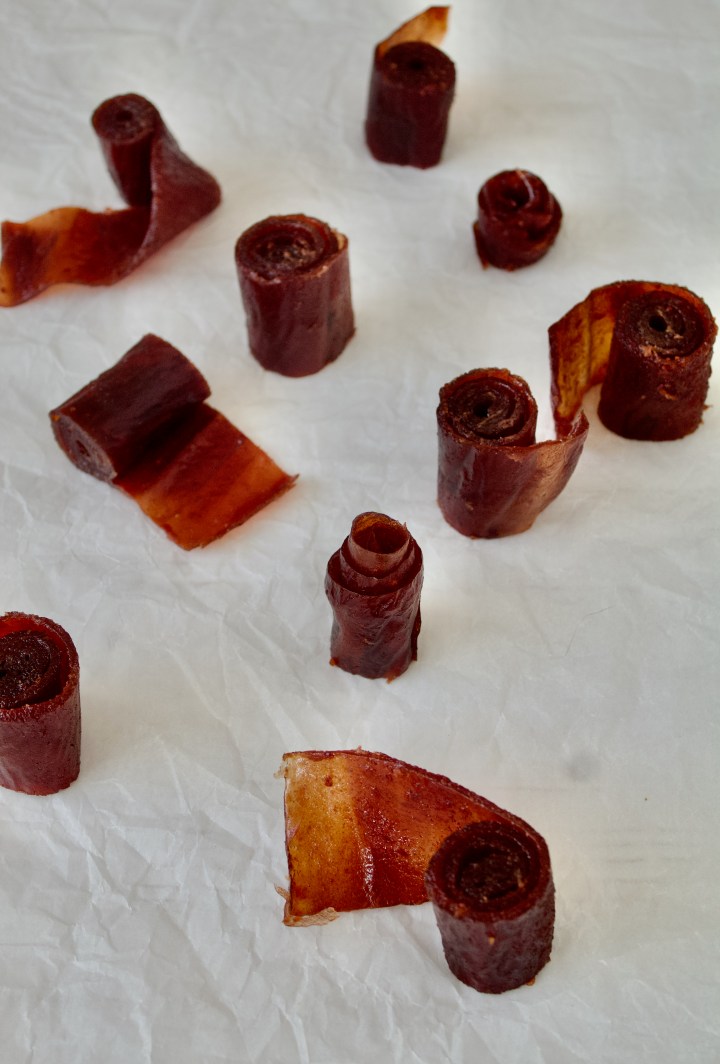
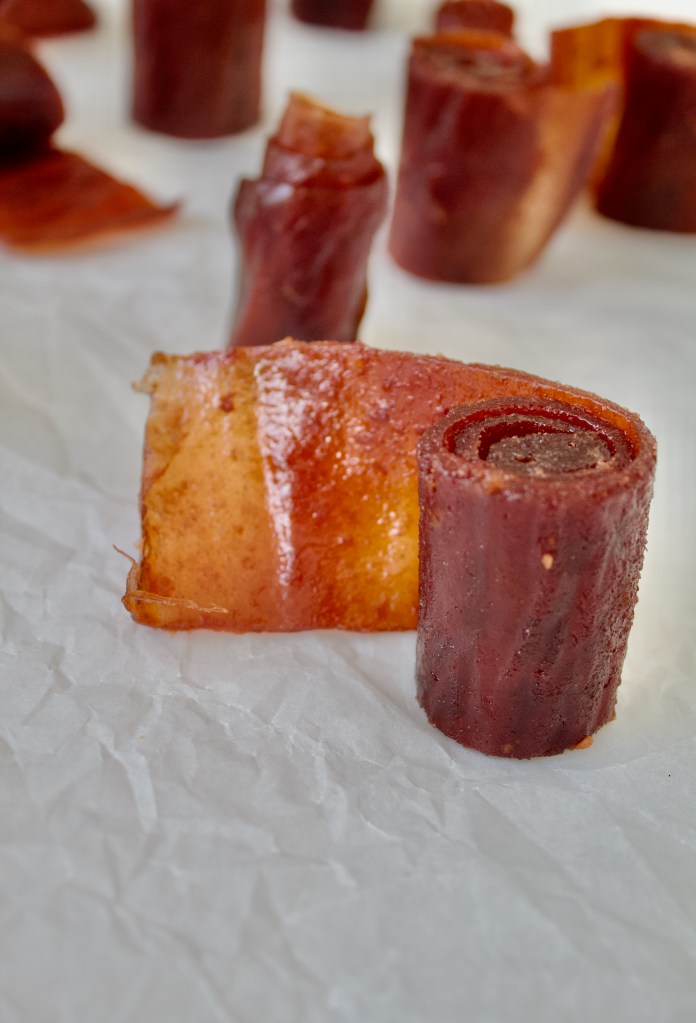
Line a large baking sheet(s) with baking paper. Pour the blitzed quince on to the paper and spread it out, about 3mm thick and as evenly as you can. Place in the oven to dry for 7 – 8 hours. The fruit will remain slightly sticky when it is ready. Once out of the oven, cool completely before rolling and slicing.
Store the quince wrapped in baking paper in a dry, well ventilated area.
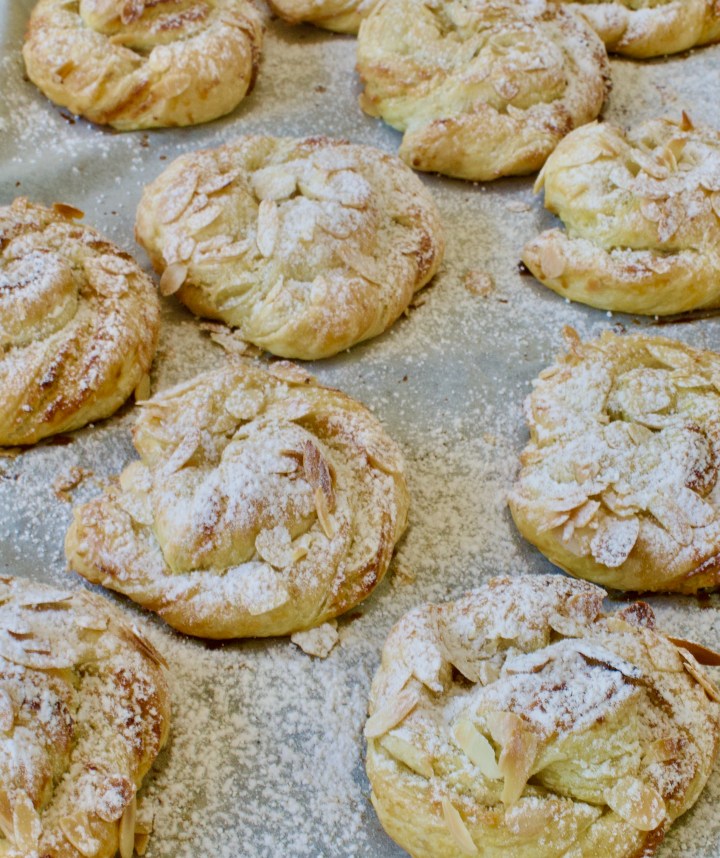
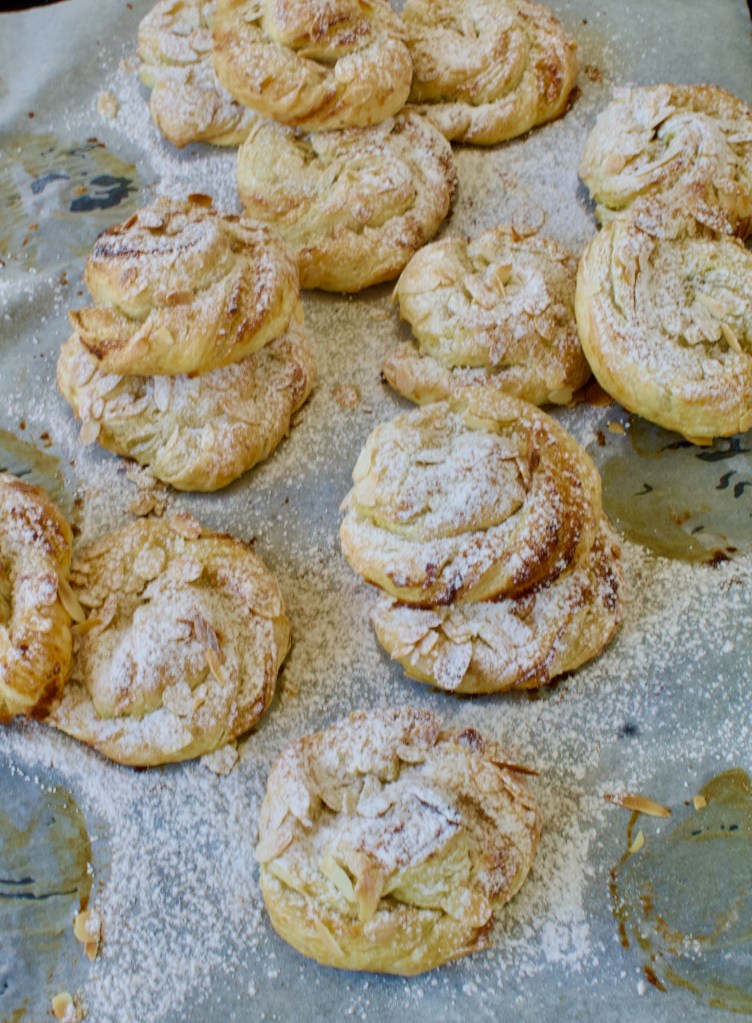
Preheat your oven to 180℃ and line a baking sheet with baking paper. Add the almond flour, sugar, vanilla, almond extract, flour, egg and milk to a mixing bowl and mix together. Set aside. Lightly flour a working surface and lay out one sheet of puff pastry. Spread the almond cream onto the pastry in an even layer. Lay the second sheet of pastry on top and lightly press down onto it. Slice into 2cm wide strips. Twist the strips and then twist it again and bring the ends together to form a circular shape. Press the ends together and lay each pastry circle on the prepared baking sheet. Brush the pastries with the egg wash and sprinkle over the almond slivers. Bake in the oven for 25 minutes. Dust the hot pastries by sieving over the icing sugar. Set aside to cool slightly.
1kg quince, weighed after peeling, coring 750g white sugar 30ml lemon juice 250ml water
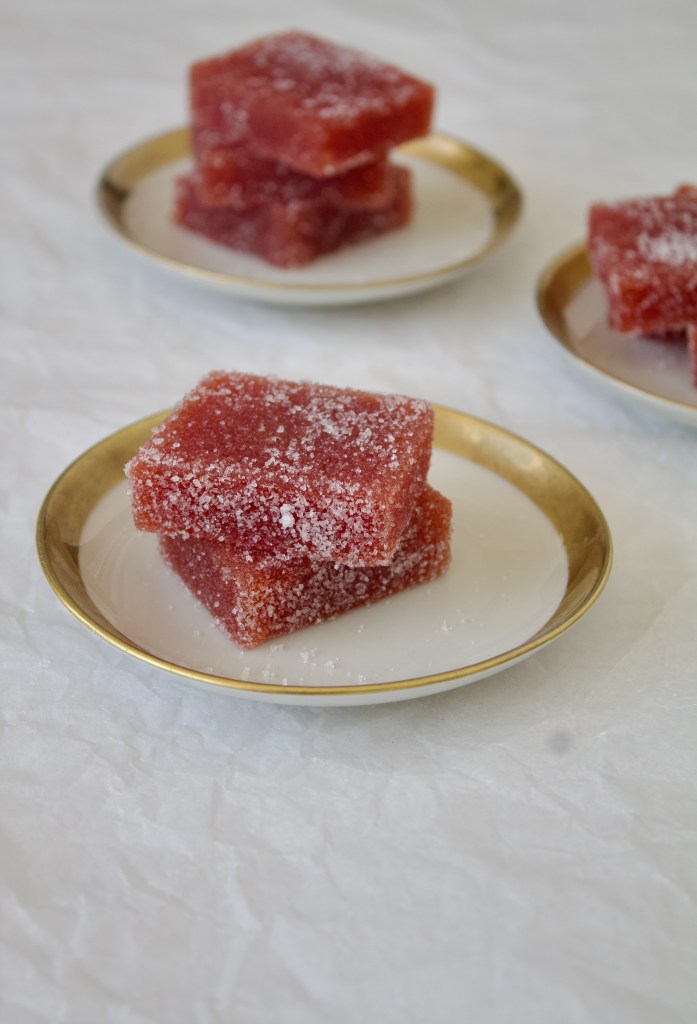
Line a 20cm x 20cm baking tin with baking paper and set aside. Peel, core and dice the quince into 2cm chunks. Add the sugar, lemon and water too a saucepan set over medium heat and stir until the sugar has dissolved. Add the quince, turn the heat down to a low simmer and cook for 1 hour, stirring every now and then. Take the saucepan from the heat and blitz the mixture with an immersive blender. Pour into the prepared baking tin and smooth the top. Set aside to cool to room temperature and then refrigerate for 48 hours. Invert the membrillo on to a chopping board and slice. Serve the membrillo on a cheese board and store wrapped in baking paper (not plastic!) in the refrigerator for three months.
Old fashioned quince sweets: Cut the membrillo into bite-sized pieces and roll it in white, granulated sugar before serving.
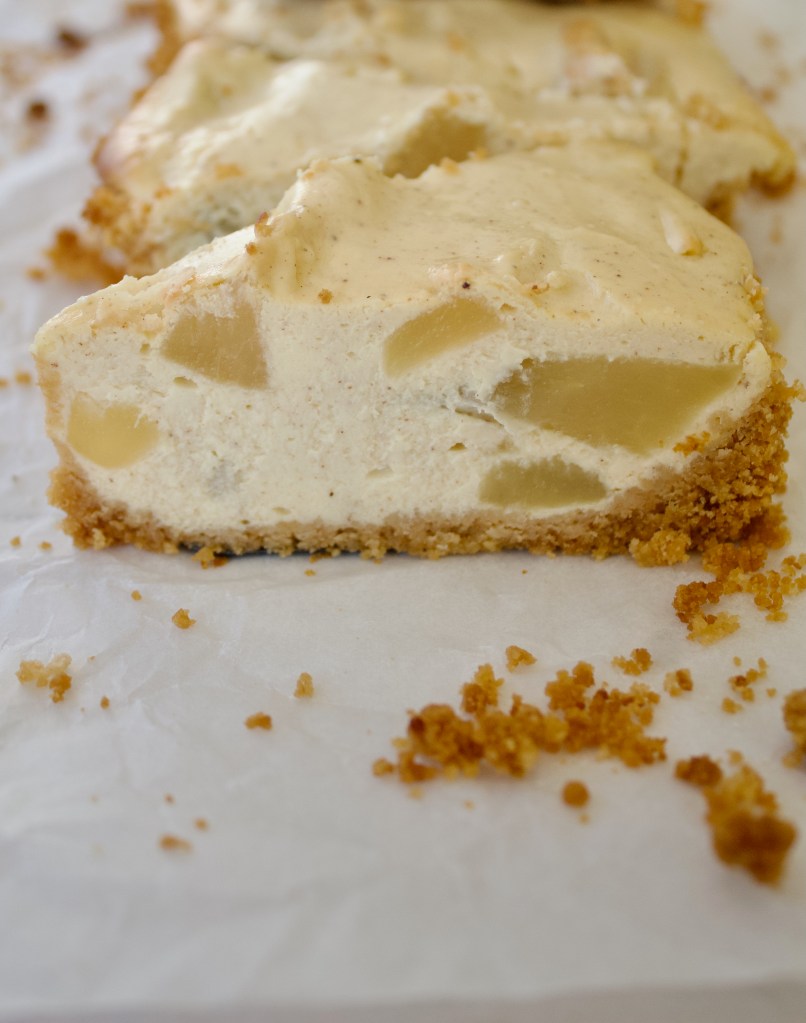
300g dry biscuits 100g butter, melted 500g cream cheese, room temperature 100g caster sugar 300g sour cream 10ml vanilla 3 eggs 1 x 385g tin unsweetened pie apple slices, drained 2,5ml ground cinnamon
Preheat your oven to 150℃ and spray a 17cm x 27cm (22cm round) baking tin with cooking spray. Set aside. Break the biscuits into the bowl of a food processor and blitz to crumbs. Drizzle in the butter while the engine is running – the mixture should resemble wet sand. Spoon the mixture into the baking tin and evenly press into the base and up the sides. Place in the refrigerator until needed. Add the cream cheese, caster sugar, sour cream, vanilla and eggs to the bowl of your clean food processor. Process until well combined and spoon into a mixing bowl. Add the drained apple slices and fold the mixture through. Bake the cheesecake for 45minutes. It should just be set and still be slightly wobbly in the centre. Turn off your oven, open the oven door slightly and rest the cake in the oven for 20 minutes. Remove the cheesecake from the oven, sprinkle over the ground cinnamon and cool to room temperature. Now refrigerate the cheesecake overnight.
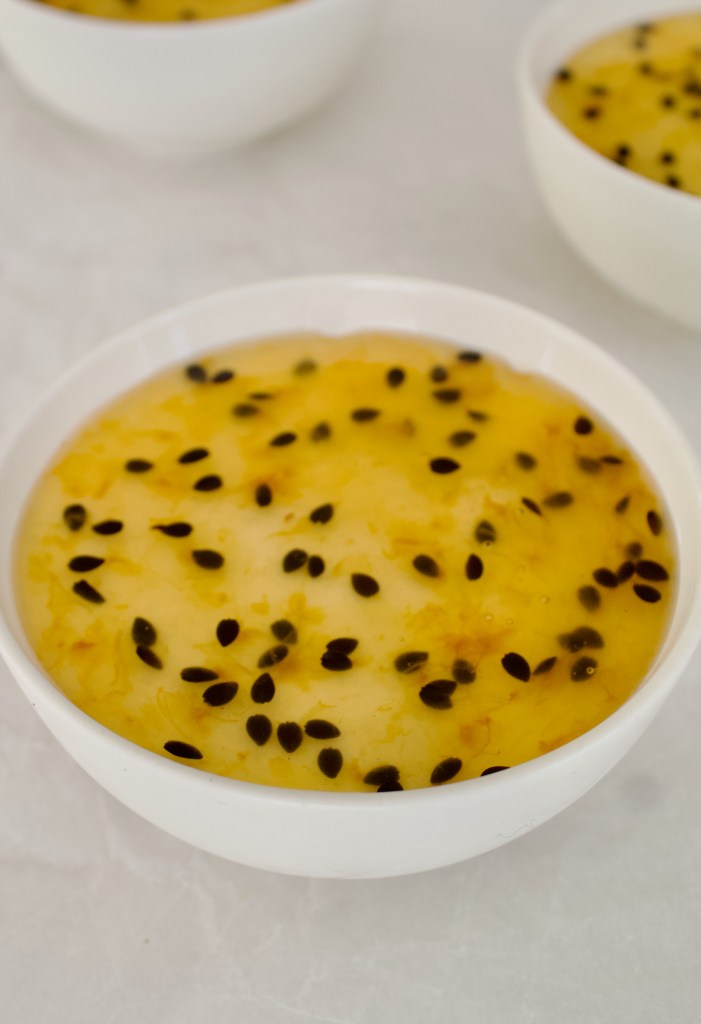
Pour the milk and caster sugar into a small saucepan and set it over medium-high heat. Stir until the sugar has dissolved and bring the mixture to just under boiling point. Remove from the heat and set aside. Add the egg yolks to a heatproof bowl and whisk together. Drizzle the hot milk mixture into the yolks while whisking continuously. Place the bowl over a saucepan with simmering water and stir with a wooden spoon for about 7 minutes or so. The mixture is ready when it very lightly coats the back of the wooden spoon. Remove the bowl from the heat and set aside for a few minutes. Set a sieve over a bowl and scoop the passionfruit into it. Press down on the seeds to extract the juice. Stir the juice into the custard mixture and set aside again. Pour 100ml HOT water into a small bowl and sprinkle over the gelatine. Stir to dissolve. Add the gelatine mixture to the custard and stir through. Set aside. Add the egg whites to a clean mixing bowl and whisk to stiff peaks. Add the whites to the custard and gently fold through. Divide the mixture between 6 bowls/glasses and refrigerate for one hour, until set.
Syrup: Pour 125ml water and the 125ml caster sugar into a small saucepan and place over a low heat. Stir until the sugar has dissolved. Increase the heat to medium-high and simmer until syrupy – about 3 minutes or so. Remove from the heat and stir in the passionfruit pulp. Allow the syrup to cool and refrigerate until cold.
Pour the syrup on the passionfruit cream and serve.
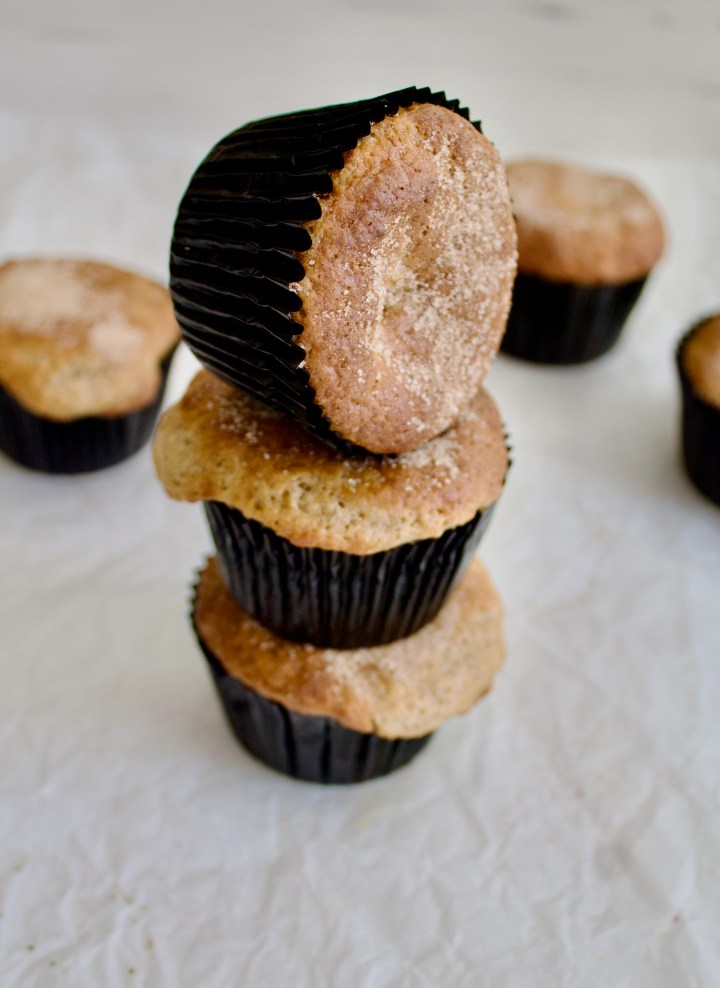
310ml flour 10ml baking powder 2,5ml bicarbonate of soda 90ml sugar 5ml cinnamon 2,5ml salt 1 egg 45ml butter, melted 250ml cultured buttermilk cinnamon sugar for sprinkling over
For the filling: Add the milk and butter to a small saucepan set over a low heat. Allow to warm to the point where small bubbles form around the edges of the saucepan, but do not bring to a boil. Take from the heat and keep aside. Add the egg and sugar to a bowl and whisk together. Add the flour and cornstarch and whisk again. Drizzle the warm milk mixture into this while whisking continuously. Pour the mixture back into the saucepan, place it back on a low heat and simmer for 2 minutes while stirring. Take from the heat, add the vanilla, stir through and set aside to cool slightly.
Preheat your oven to 200℃ and line a 12-hole muffin tin with paper cups.
Add the flour, baking powder, bicarbonate of soda, sugar, cinnamon and salt to a bowl and mix together. Add the egg, melted butter and buttermilk to a jug and whisk until amalgamated. Pour the wet mixture into the dry ingredients and mix through. Spoon a tablespoon of the batter into each of the paper cups. Now spoon a heaped teaspoon of the filling in the centre of each muffin and end off with another tablespoon of the batter on top. Bake in the oven for 15 minutes. Take the hot muffins from the oven and immediately sprinkle them with cinnamon sugar. Allow to cool one a cooling rack.
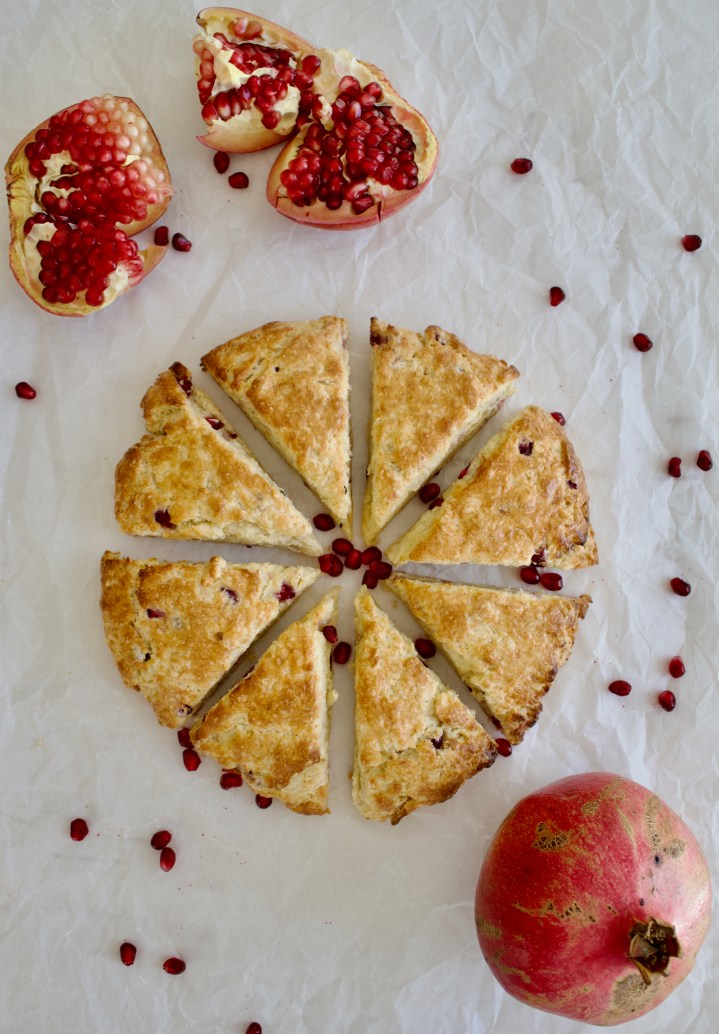
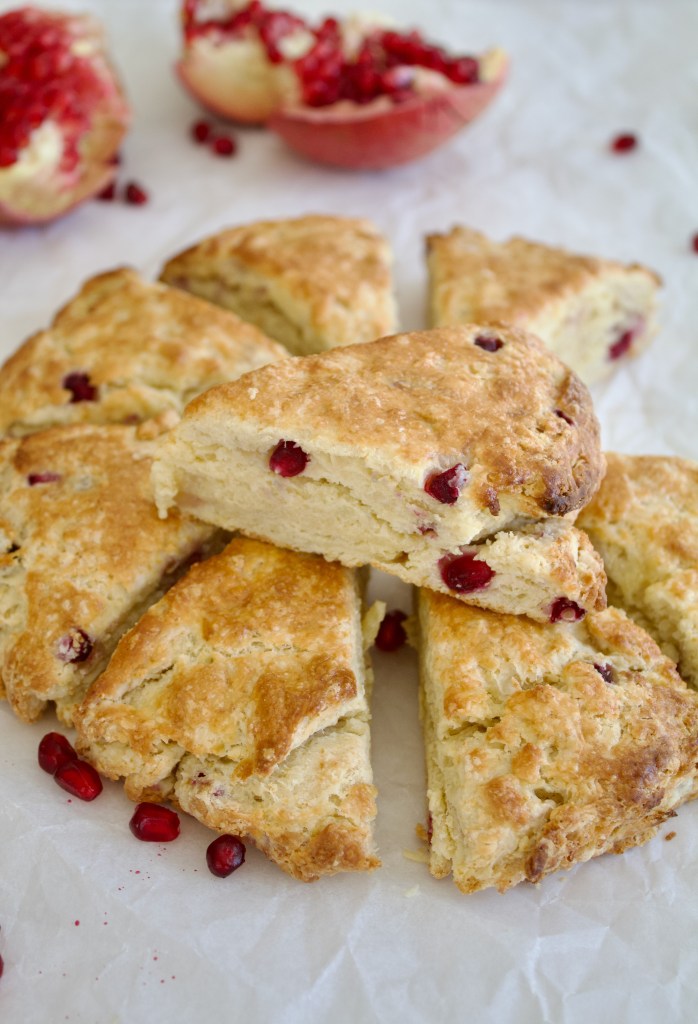
Preheat your oven to 180℃ and line a baking sheet with baking paper. Sift together the flour, baking powder and salt. Grate the butter into the flour. Now rub the butter into the flour with your fingers. Add the sugar, cream, yoghurt, egg and pomegranate seeds to a mixing bowl and whisk together to blend. Cut the mixture with a palette knife to mix together, i.e. cut straight down into the ingredients and turn the bowl. Keep on cutting and turning until the mixture comes together. Lightly dust a work surface and turn the dough out onto it. Push the dough together even if there are bits that look dry. Shape the dough into a rectangle by rolling it out on the surface. Now turn up a third of the length and then turn over a third of the top part. Roll this out to a thickness of 3,5cm and then shape the dough into a circle with your hands. Place the disc on the prepared baking sheet and cut it into 8 wedges. Brush the top of the scones with the egg wash and bake for 15 minutes. Remove from the oven and cool on a cooling rack for another 15 minutes before serving.
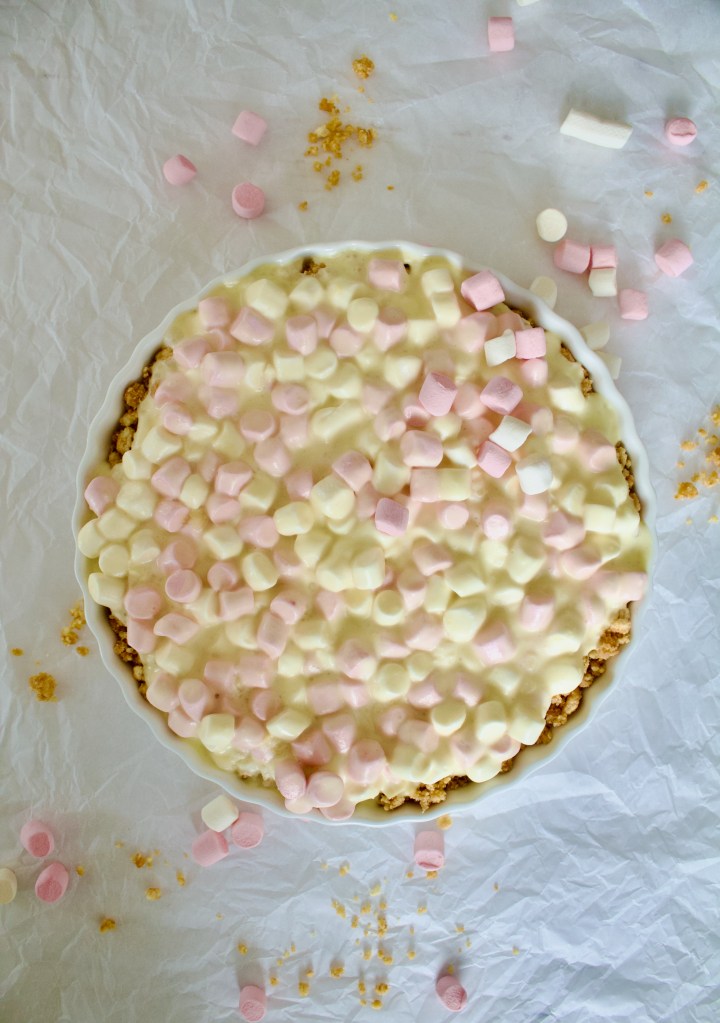
200g coconut biscuits 90g butter 1 x 385g can condensed milk 30ml lemon juice 250ml cream 5ml vanilla 150g mini marshmallows
Break the biscuits into a plastic bag and smash it to crumbs with a rolling pin. Pour into a mixing bowl. Melt the butter and drizzle over the biscuits. Mix together. Press the biscuit mixture into the base and sides of a 22cm pie dish and refrigerate for 30 minutes. Pour the condensed milk and lemon juice into a mixing bowl and whisk together. Pour the cream into another bowl and whisk to stiff peaks. Add the whipped cream, vanilla and marshmallow and fold everything together until the ingredients are evenly distributed. Take the chilled biscuit base from the refrigerator and pour the filling into it. Place the tart back into the fridge for another hour before serving.
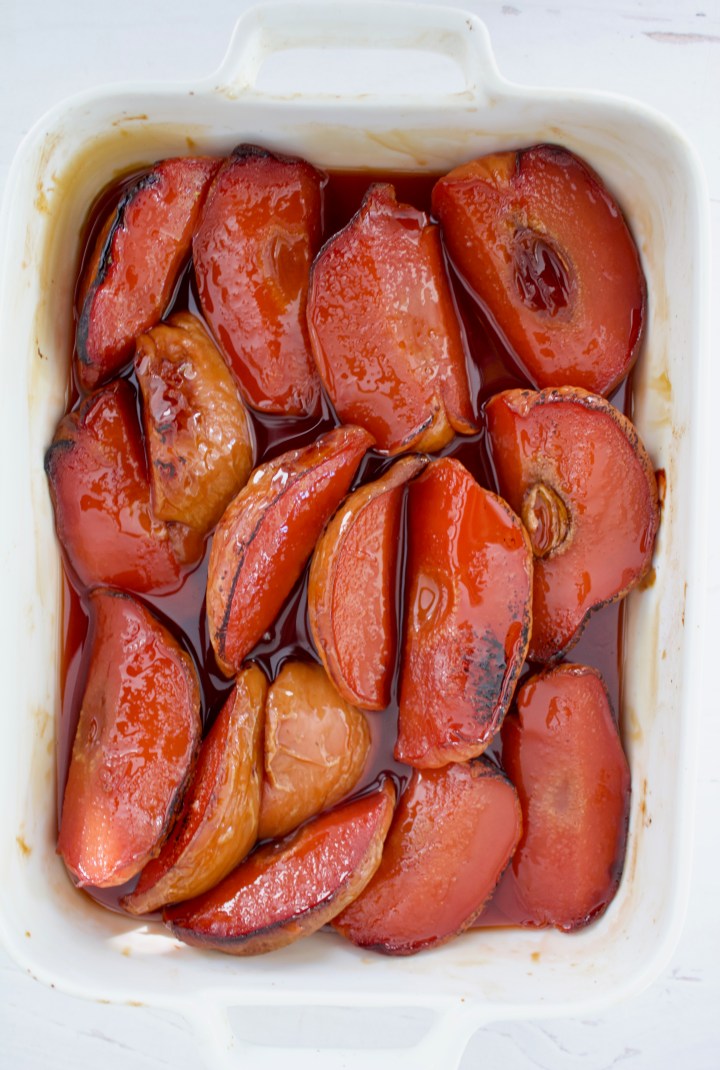
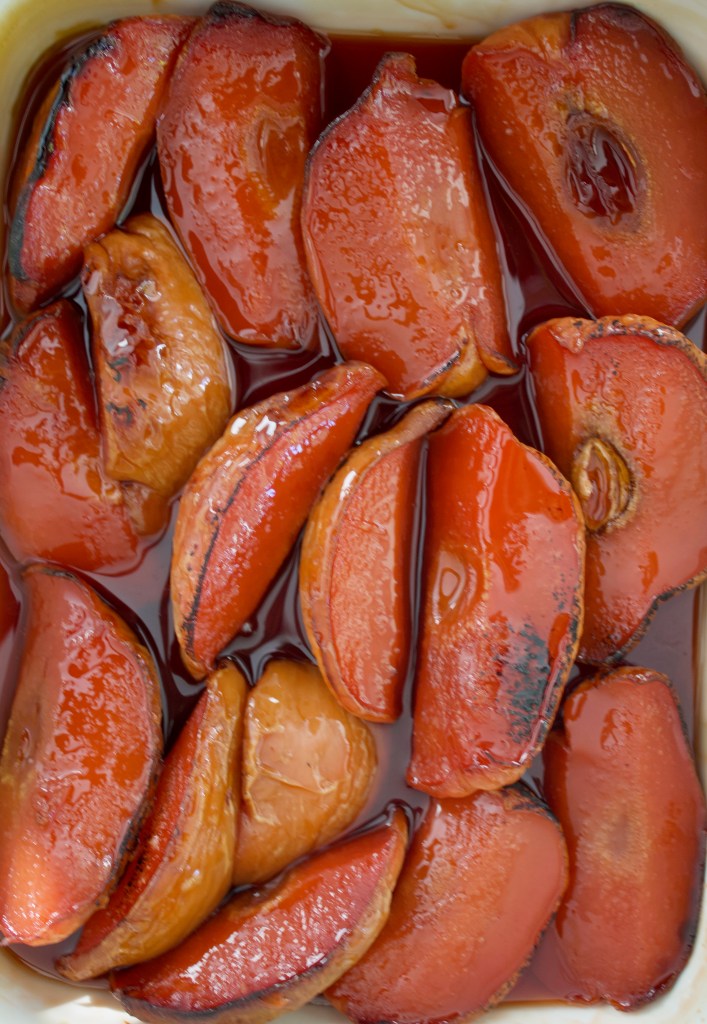
600ml water 100g honey 250g brown sugar 1 lemon 4 quince
Preheat your oven to 150℃. Add the water, honey and brown sugar to a small saucepan. Cut the zest from the lemon, add the strips and place the saucepan over a gentle heat. Stir until the sugar has dissolved, bring to a boil and simmer for two minutes. Take the syrup from the heat and set aside. Wash the quince under running water and cut each into quarters. Remove the core but keep the skin on. Slice the lemon (from which you took the zest) in half and rub it over the sliced quince to prevent it from turning brown. Arrange the fruit in an ovenproof dish (they should sit snugly) and pour the honey-syrup over. Place a piece of baking paper directly on the quince and then cover the dish with aluminium foil. Bake in the oven for 3 hours. Remove the foil and baking paper and spoon the syrup over the fruit. Turn your oven to 180℃ and roast uncovered for 25 minutes. Serve warm with roasted meat or with a scoop of ice-cream as dessert. Cold quince is delicious on top of cooked oats as breakfast.
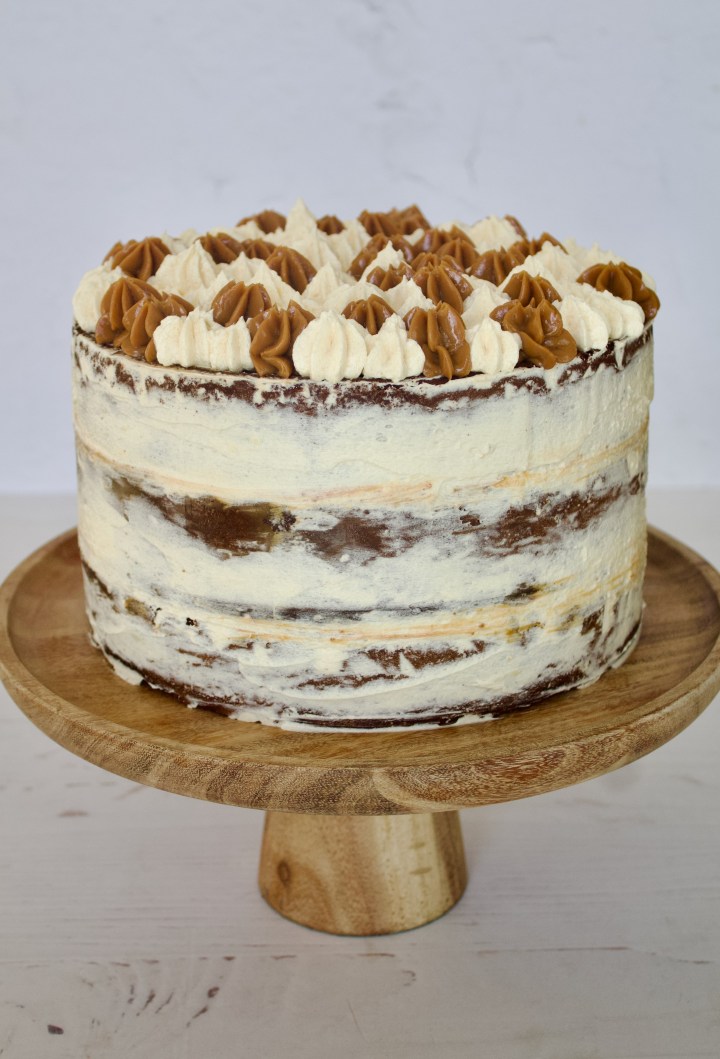
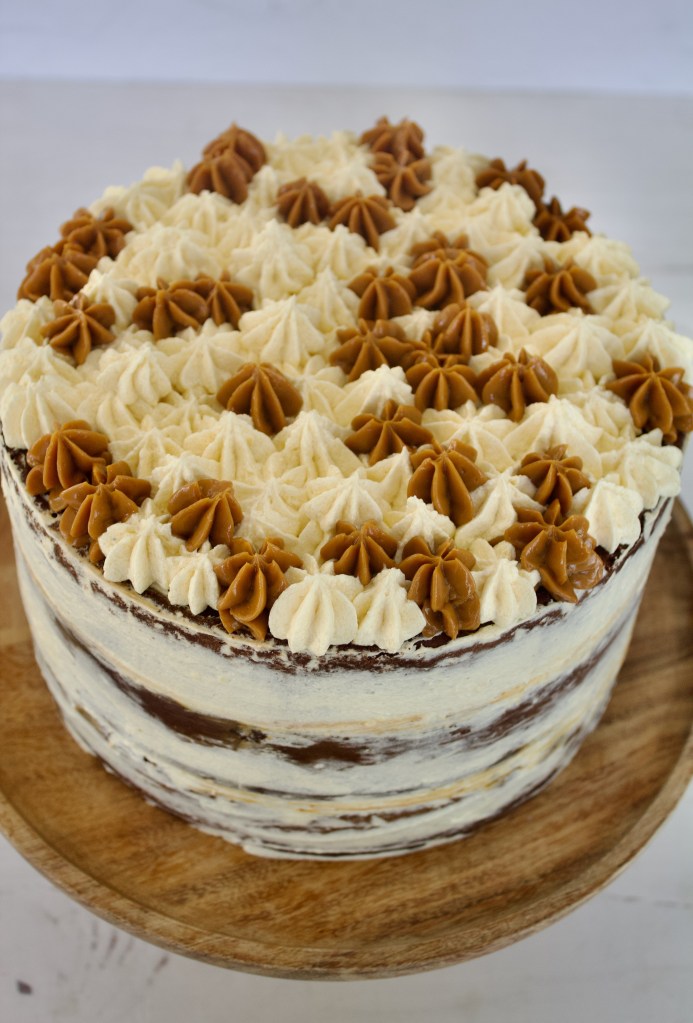
Preheat your oven to 180℃ and line two 22cm cake tins with baking paper. (If you want a cake with three layers, double the batter and divide between three baking tins.) Add the butter and sugar to the bowl of a stand mixer fitted with the paddle attachment and beat on high speed until soft and creamy, scraping the mixture down once or twice during the mixing. Add the eggs one at a time with the mixer running and then add the vanilla. Add the flour, baking powder, salt and cocoa powder to a bowl and mix through. Add two spoonfuls of the dry ingredients and follow it up with a splash of milk, while the mixer runs on slow speed. Keep going until all is incorporated. Divide the batter between the baking tins and bake for one hour. Remove and allow the cakes to cool in the tins before removing and cooling on a wire rack. Frost as desired.






 My Whisk and I