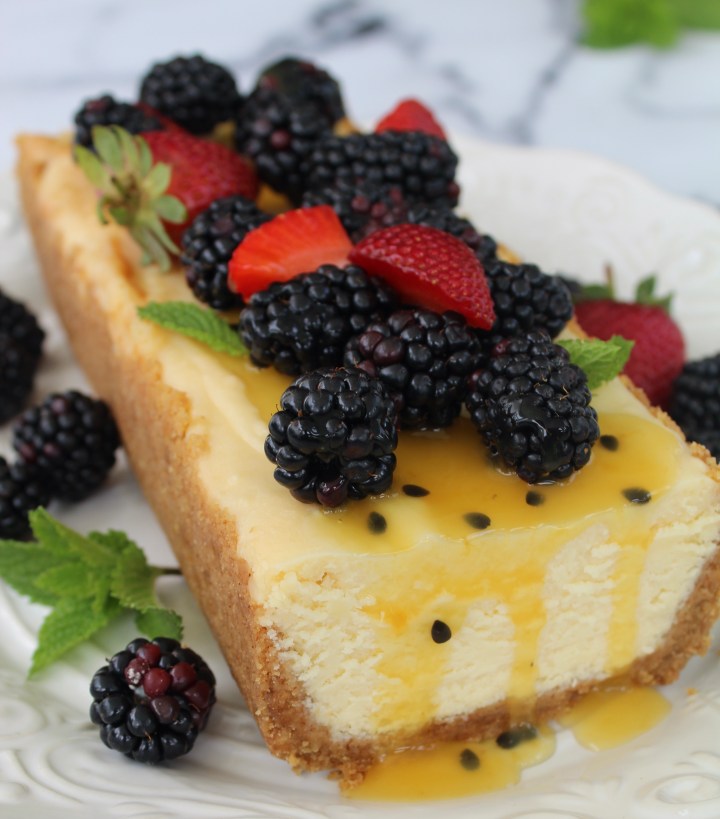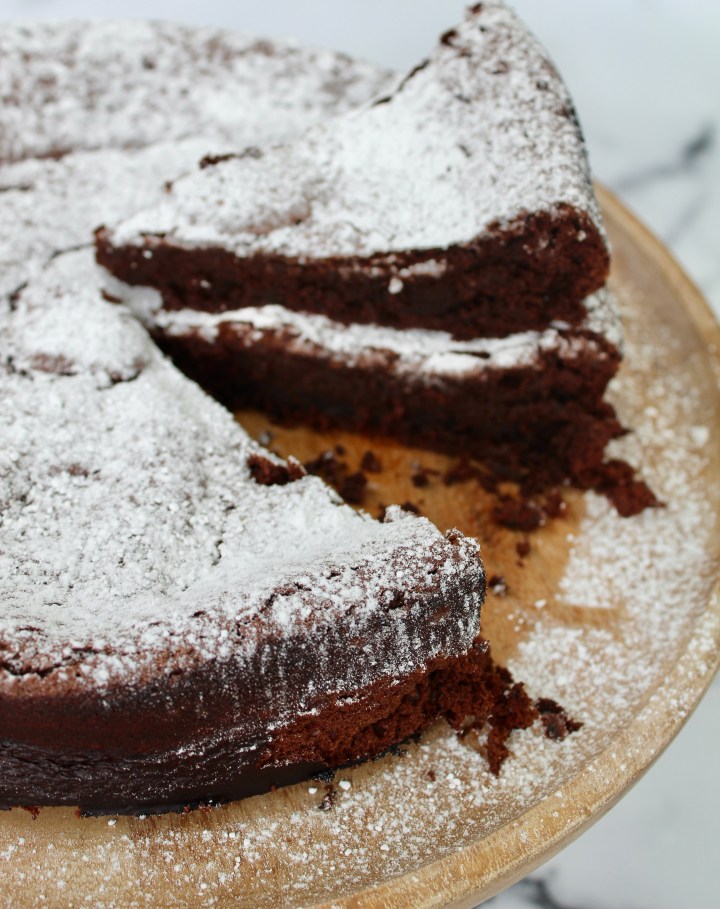
This is a small cheesecake that serves about 8 people with a taste-size portion which makes it ideal to serve with tea. It goes against cheesecake rules as it is baked in quite a hot oven and not in a baine Marie, has no eggs in it and is sweetened with condensed milk.
200g digestive biscuits 80g butter, melted 250g cream cheese, room temperature 1 x 385g can of condensed milk 125ml lemon juice fresh fruit to serve
Preheat your oven to 180℃ and line a 25cm x 11cm x 7cm loaf tin with baking paper. Add the digestive biscuits and butter to the bowl of a food processor and process until you have a texture that resembles wet sand. Line the baking tin with the mixture, covering the bottom and sides evenly. Put aside. Add the cream cheese and condensed milk to the bowl of a stand mixer fitted with the paddle attachment. Set the mixer on high speed and mix until the cream cheese is smooth – scrape the bowl down once or twice. Now set the mixer on a low speed and drizzle in the lemon juice. Mix until fully incorporated and you have a smooth mixture. Scrape the mixture into the prepared baking tin and bake for 30 minutes. Turn off the oven and leave the cake inside until it has cooled completely. Place the cheesecake on a serving dish and arrange fresh fruit on top before serving.
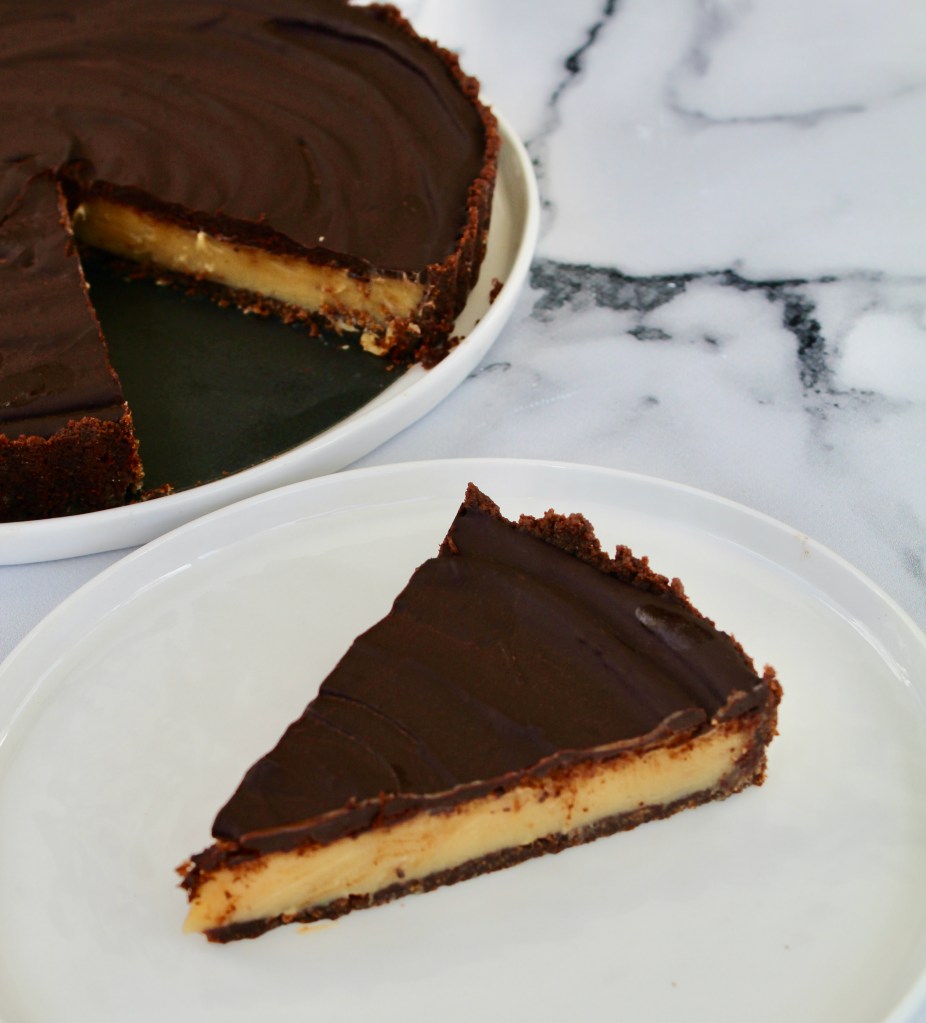
Filling: 100g butter 200g brown sugar 2 x 385g tins of condensed milk 7,5ml salt
Topping: 83ml cream 160g dark bitter chocolate, chopped
For the base: Preheat your oven to 160℃ and spray a 23cm loose base tart tin with cooking spray. Add the biscuits to the bowl of a food processor and process to fine crumbs. Add the melted butter and mix/blitz until the mixture looks like wet sand. Spoon the crumb mixture into the tart tin and press it firmly into the base and sides of the tin. Bake the tart base for 10 minutes. Remove from the oven and allow to cool.
For the filling: Add the butter to a saucepan and melt it over medium heat. Add the sugar and whisk to combine. Keep stirring the mixture with the whisk until the sugar has melted completely. Add the condensed milk and keep whisking to incorporate. Cook the caramel for about 5 minutes, taking that it doesn’t overheat and burn, and then add the salt. Pour the mixture into the tart case and bake in the oven for 15 minutes. Take the tart from the oven and set aside to cool slightly.
For the topping: Add the cream and chocolate to a heatproof bowl set over simmering water. Stir the mixture every now and then until smooth and completely melted. Take the bowl from the heat and allow to stand for about 10 minutes. Give it a stir every now and then so that it cools down. Spoon the chocolate onto the caramel layer and spread it evenly with a spatula. Refrigerate the tart for 2 hours to set. Allow the tart to come to room temperature before serving.
Preheat your oven to 180℃ and line 27cm X 37cm X 5cm cake tin (I use a roasting tin) with baking paper. Add the butter and sugar to the mixing bowl of a stand mixer fitted with the paddle attachment. Beat together on a high speed until pale and fluffy. Turn the mixer to medium speed and add the eggs one at a time, giving each egg time to incorporate into the mixture. Add the vanilla. Sift the flour, baking powder and salt together in a bowl. Turn the mixer to a low speed and add the flour mixture and milk alternately. Scrape the batter into the prepared baking tin and place it in the oven to bake for 40 minutes. Cool the cake on a cooling rack until completely cold and slice into squares.
For the Coconut Chocolate Ganache: 180g white coconut chocolate OR white chocolate and a handful of roasted coconut flakes 120ml cream
Chop the chocolate finely and add the chocolate and cream to a heatproof bowl set over a saucepan with simmering water. Allow the chocolate to melt, stirring every now and then until the mixture is silky smooth. Now take the bowl from the heat and stir the ganache. Drizzle the ganache over the cake slices while still slightly warm. Decorate with roasted coconut flakes.
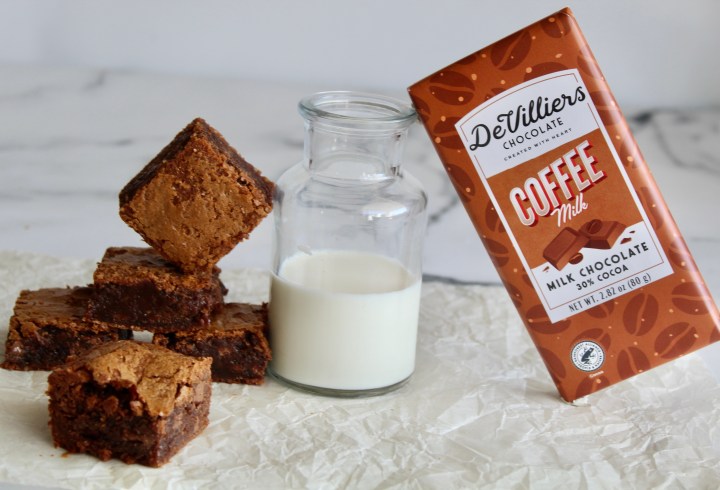
Preheat your oven to 180℃ and line a 20cm X 20cm X 5cm cake tin with baking paper. Add the butter to a heatproof bowl. Break the chocolate into pieces and add it to the butter. Set the bowl over a saucepan with simmering water and allow to melt. Remove the bowl from the heat and stir the mixture to amalgamate. Set aside, stirring every now and then, to cool until lukewarm. Add the sugar and vanilla to the chocolate mixture and stir through. Add the eggs one at a time and beat well with a hand whisk. You want a glossy, smooth mixture. Sift the flour, cocoa powder, salt and baking powder together and add it to the chocolate mixture. Mix through. Chop the remaining 120g milk chocolate in to chunks the size of peas. Stir the chocolate into the brownie mixture. Scoop the batter into the prepared baking tin and bake for 30 minutes. Remove from the oven and cool completely before slicing it into 16 squares. The brownies keep well in a sealed container for 3 – 4 days.
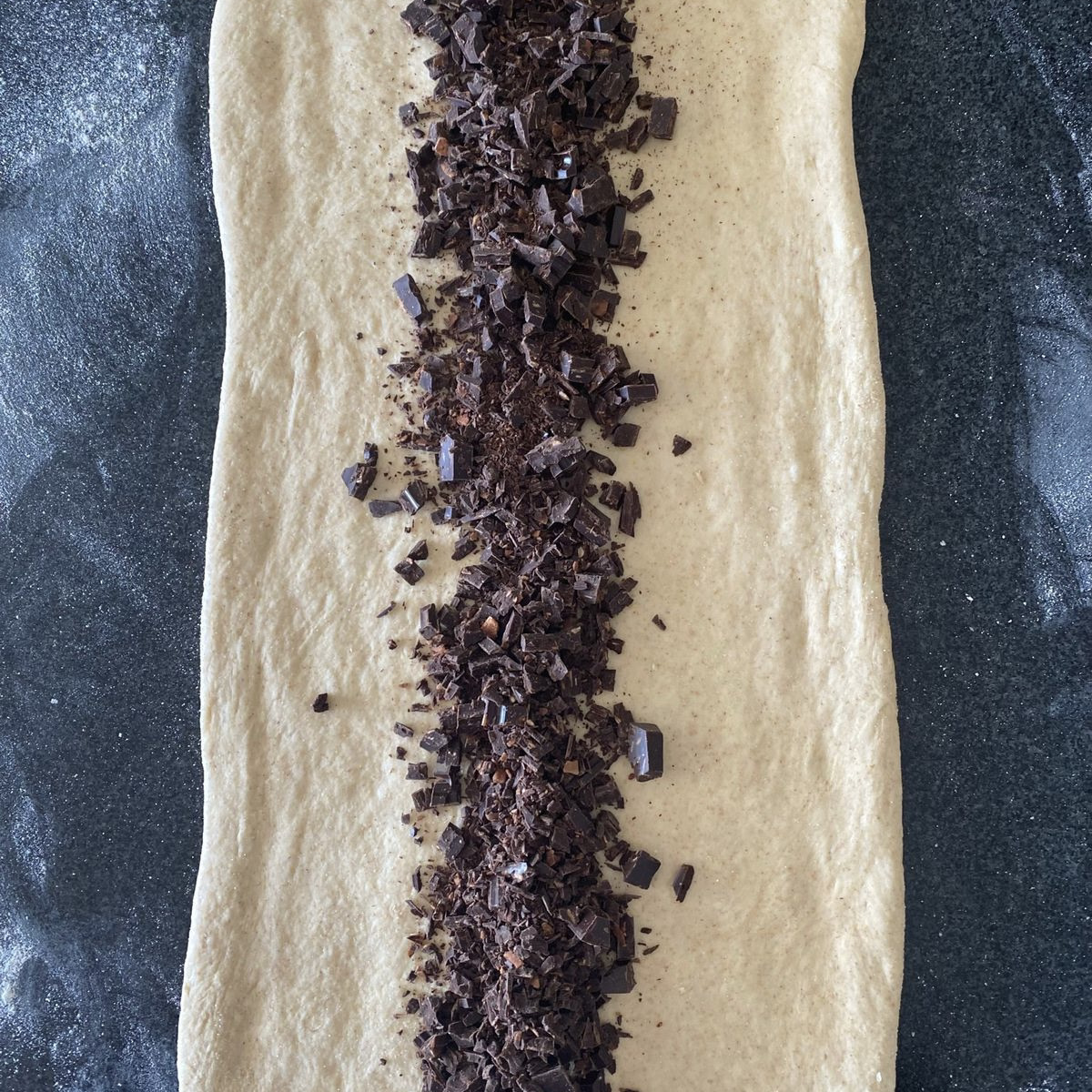
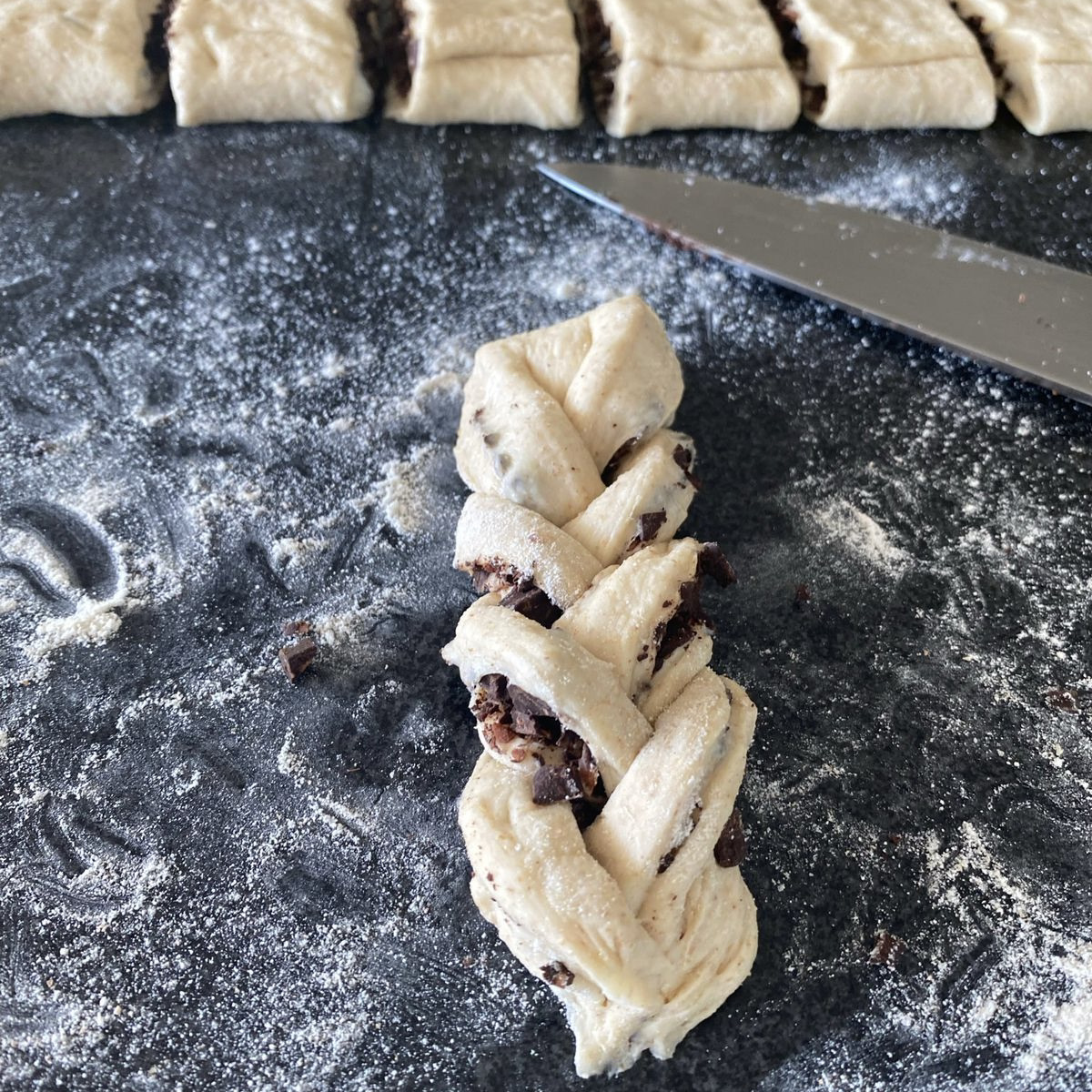
Spray a 12-hole muffin tin with cooking spray. Add the flour and salt to the bowl of a stand mixer fitted with the dough hook. Warm the milk until tepid and pour it into a mixing bowl. Add the butter, yeast and sugar to the milk and stir until the butter has melted. Add the egg and whisk together. Turn the mixer on a low speed and add the liquids. The dough will be VERY sticky! Turn the mixer to medium speed and knead for 6 minutes. You want a dough that is soft, smooth and elastic. Place the dough in an oiled mixing bowl and cover with a clean tea towel. Set aside to proof for 90 minutes. Lightly dust a work surface with flour and roll the dough to a large rectangle. Sprinkle the chopped chocolate over the length, in the centre.
Now fold the sides over so that you have a dough layer, chocolate layer and another 2 dough layers. Roll the folded dough with a rolling pin so that the chocolate bits roll into the dough. Divide and cut the dough into 12 equal pieces. Cut each piece into 3, keeping the top attached. Plait the dough and then roll up each plaited piece and place it in a muffin hole. Cover the muffin tin with a tea towel and allow to proof for 20 minutes. Preheat your oven to 180℃. Brush the rolls with the egg wash and bake for 20 minutes. Serve slightly warm with a cup of coffee.
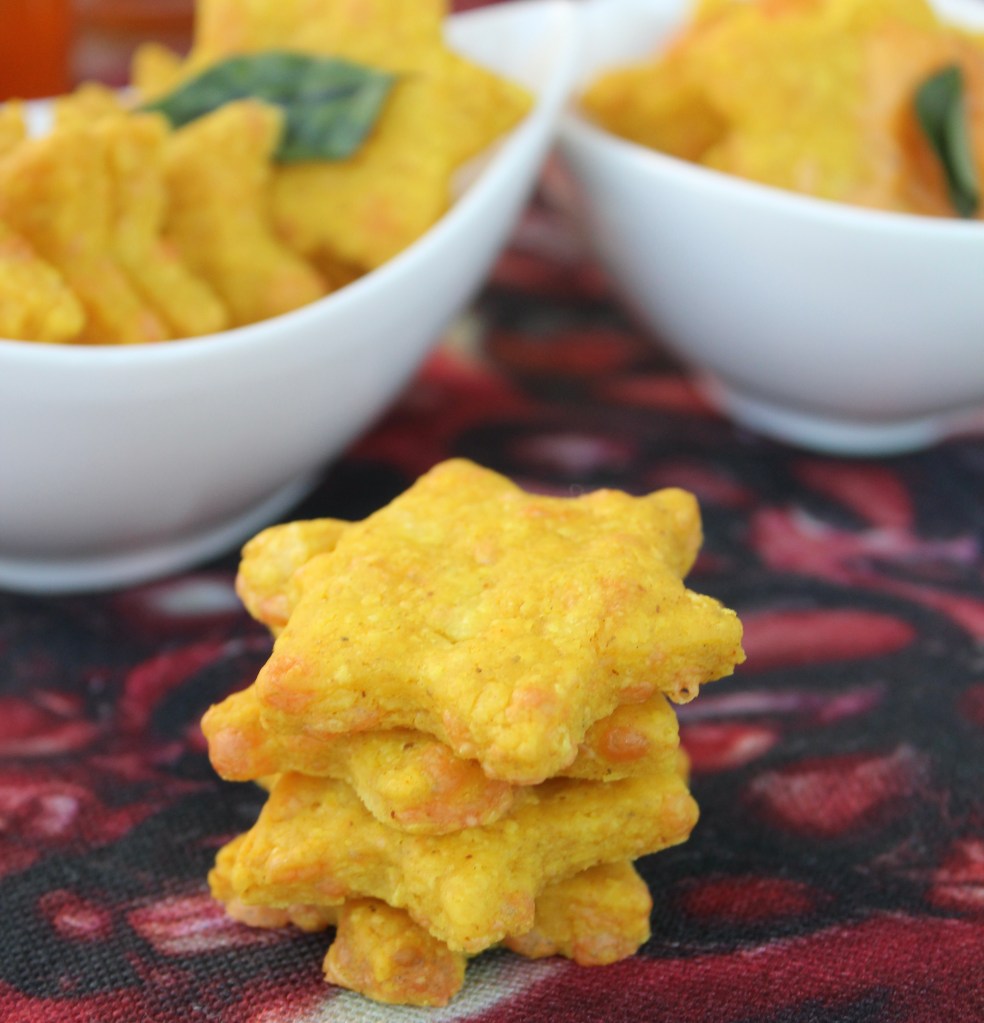
Preheat your oven to 180℃ and line a baking sheet with baking paper. Combine the flour, salt, turmeric and curry powder in a mixing bowl. Add the cubed butter and rub the mixture together with your fingers until you are left with pea-sized clumps of butter and flour. Add the grated cheddar and pecorino cheese and mix through. Now knead/push the mixture together with the heel of your hand so that if forms a dough ball. It takes a while to come together, just keep kneading/pushing. Lightly flour a work surface and roll the dough to a 5mm thickness. Cut out shapes with biscuit cutters and transfer them to the prepared baking sheet. Bake the biscuits for about 12 minutes. Take them from the oven and cool in the baking sheet for 10 minutes before removing them to cool completely. Store the biscuits in an airtight glass jar.
For the topping: 160g chocolate, chopped 125ml cream 5ml corn syrup
Preheat your oven to 180℃. Spray and line the bottom (not the sides) of a 38cm X 25cm X 2,5cm baking tray with baking paper. Spray the paper lightly with a cooking spray. Add the egg whites to the bowl of a stand mixer fitted with the whisk attachment. Turn the mixer to high speed, add the 83ml sugar and whisk for 5 minutes until the mixture is stiff. Set aside. Add the egg yolks, 125ml sugar and vanilla to a mixing bowl and beat for 2 minutes with electric beaters. Sift the flour, cocoa powder, baking powder and salt into another mixing bowl. Add the espresso powder to the dry ingredients. Melt the butter and pour it over the dry ingredients. Add the egg yolk mixture as well and beat on medium speed until the ingredients are combined. Now fold in the stiff egg whites by stirring in a third and then gently folding in the rest. Keep folding until there are no white streaks in the batter. Spoon the batter into the prepared baking tray and spread it evenly into a thin layer. Bake for 10 minutes.
Rolling the cake: Place a thin kitchen towel on a work surface and sift about 30ml cocoa powder over the towel. Take the cake directly from the oven, run a sharp knife around the edges of the pan and immediately invert the cake onto the cocoa powder/kitchen towel. Gently peel off the baking paper and roll the cake and the kitchen towel in a coil. Set aside to cool completely.
Making the cream filling: Pour the whipping cream into a mixing bowl, sift over the icing sugar and add the vanilla. Beat the mixture with electric beaters until it is stiff enough to have a spreadable consistency. Unroll the cold cake and remove it from the kitchen towel. Spread the cream filling over the surface and roll the cake once again. Place the Swiss roll on a cooling rack to cover with the chocolate topping.
For the chocolate topping: Add all the ingredients to a heatproof bowl and set it over a saucepan with barely simmering water. Stir until the chocolate has melted completely and the mixture is amalgamated. Take the bowl from the heat and set aside for about 15minutes, stirring it every now and then so that it cools down a bit. Pour the chocolate over the Swiss roll and spread it slightly with a spatula. Wait for the first batch/layer to set slightly before pouring the rest of the chocolate over the cake. Allow the cake to stand on the cooling rack until the topping has set completely.
Transfer the Swiss roll to a serving plate and enjoy!
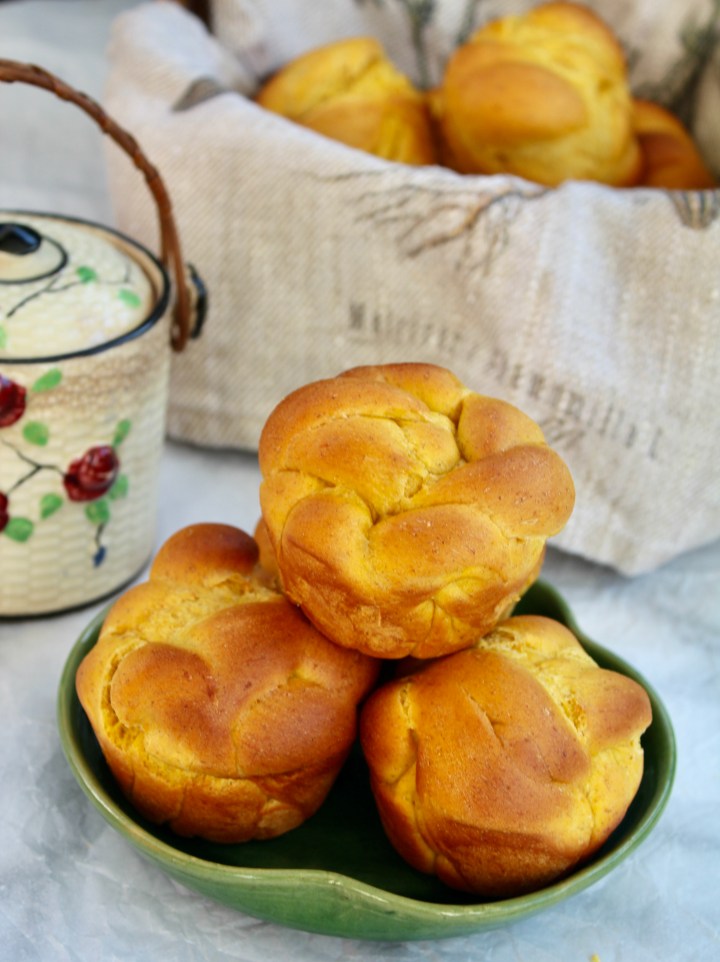
These rolls are deliciously moist and soft and make for a great dinner roll, with a boost of veggies!!
190ml cooked and mashed butternut (about one large butternut) 190ml milk 10g instant yeast 450g bread flour 50g cake flour 45g caster sugar 15ml honey 7,5ml salt 45g butter about 45ml melted butter
Add the mashed butternut and milk to the bowl of a stand mixer fitted with the dough hook. Mix together on a low speed for 2 minutes. Add the yeast, bread flour, cake flour, caster sugar and honey and mix on a low speed until the mixture comes together as a rough dough. Cover the bowl with plastic wrap and allow to rest at room temperature for 30 minutes. Cut the butter into small pieces and set aside. Remove the plastic wrap, add the salt and knead the dough on medium speed for 1 minute. Add the butter pieces one at a time, with the machine running and knead until the dough is silky smooth. About 6 minutes. Lightly oil a mixing bowl and place the dough in it. Cover and allow to rise until double in size (about 1 hour). Preheat your oven to 180℃ and spray a 12-hole muffin tin with cooking spray. Transfer the dough to a working surface and divide into twelve equal pieces. Roll each piece of dough into a ball and place it into the prepared muffin tin. Cover the muffin tin with a plastic bag and allow to rise for 30 minutes. Bake the rolls for 16 minutes. Melt an additional 45ml of butter in the microwave oven. Take the rolls from the oven, brush the rolls with the melted butter and place back in the oven for a further 3 minutes. Take the rolls from the oven and cool on a cooling rack. Serve with butter and honey.
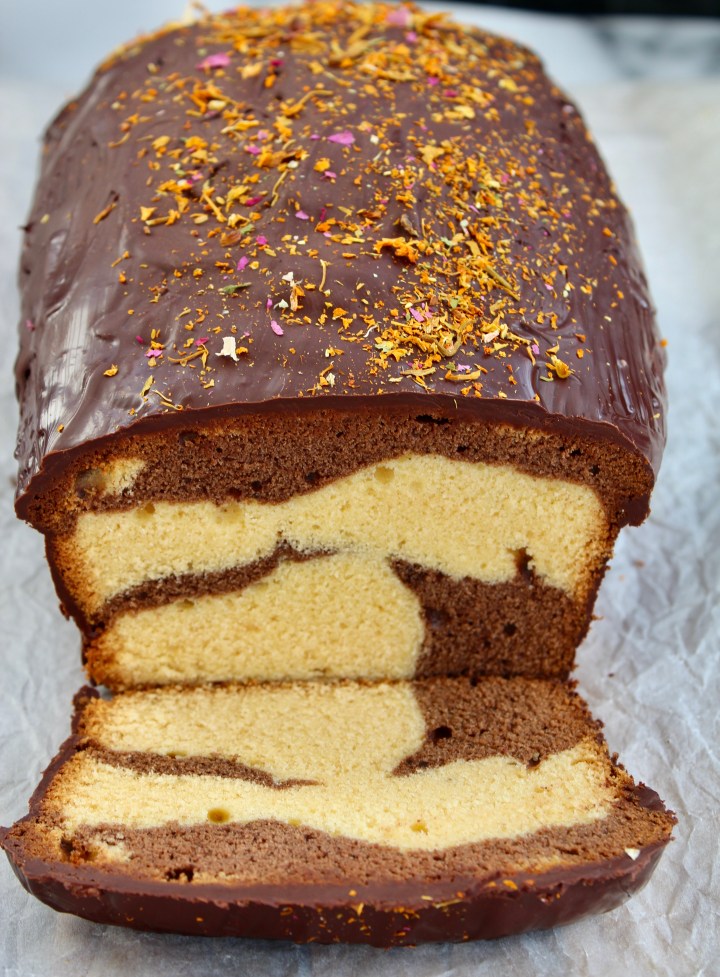
Preheat your oven to 170℃ and line a small loaf tin of 21cm X 11cm with baking paper. Add the butter, sugar, salt and honey to the bowl of a stand mixer fitted with the paddle attachment. Turn the mixer on to high speed and beat the mixture until it is fluffy and very pale – about 6 – 7 minutes, scraping down once or twice. Add the eggs to a small bowl and whisk together. Run the mixer’s engine on medium-low and add the egg a little at a time, waiting for it to be incorporated before adding more. Now mix the flour and baking powder together and add it in the same way. Scoop half of the batter into a clean mixing bowl and sift the cocoa powder over it. Mix with a spatula until the cocoa powder is fully incorporated – the batter will appear very dry, but keep mixing until it turns brown. Add the vanilla to the half of the batter which you have kept in the mixer bowl and stir through. Spoon 3-4 dollops of the vanilla batter into the baking tin, alternating with the cocoa batter. Keep going until there is no batter left. Lightly pull a butter knife through the batter, stirring-mixing the two colours. Level the top and bake the loaf for 1 hour and 15 minutes. Cool the cake on a cooling rack for 10 minutes before removing it from the baking tin by lifting it out in the baking paper. Allow the cake to cool completely.
For the chocolate glaze: Add all the ingredients to a heatproof bowl set over simmering water and stir until melted completely. Remove the glaze from the heat and allow to cool for about 15 minutes. Place the cooled cake on a cooling rack and place the cooling rack inside a baking sheet so that the chocolate drips down into it. Pour the glaze over the cake. Allow to stand at room temperature for at least one hour. Slice and serve.
I love to bake snacks that can be kept in a glass jar for a few weeks (very optimistic!) and biscotti has a place of honour amongst them. The recipe yields about 36 slices and can be kept for 3-4 weeks when stored in a sealed glass container.
Preheat your oven to 160℃ and line two large baking sheets with baking paper. Add the oil and sugar to the bowl of a stand mixer fitted with the paddle attachment and beat on high speed until well blended. Add the vanilla and eggs and beat for another 2 minutes. Set aside. Add the flour, salt and baking powder to a large mixing bowl and give it a stir to mix. Run the mixer on the lowest speed and gradually add the flour mixture, allowing time to incorporate between additions. Remove the bowl from the mixer, add the cranberries and pistachios and mix through with a spatula. Divide the dough in half. Wet your hands (the dough is extremely sticky) and shape each half portion of the dough into a log shape about 25cm in length. The logs won’t look wide enough to “become” biscotti, but the mixture will spread during baking and end up being wider than the shaped log. Place the logs onto the prepared baking sheets and bake for 35 minutes. Remove the biscotti logs from the oven and allow to cool for 30 minutes. Turn the oven setting down to 130℃. Slice the logs diagonally into 1cm thick slices. Lay the slices flat onto the same baking sheets and dry in the oven for about 50 minutes. Feel the biscotti – it should be hard and shouldn’t give when you press it between your fingers. Cool the biscotti on a cooling rack before packing them into a glass jar.