Yoghurt Lime-syrup Baby Cakes

Yoghurt Lime-syrup Baby Cakes

There is something very special about baby cakes… little cakes….small cakes. Baby cakes charm us. They evoke a certain sentimentality. They are incredibly inviting and downright irresistible.

These baby yoghurt cakes are soaked in a scented lime syrup that will transport your senses and leave you wishing you had made an extra batch. Enjoy them with tea, as a snack or take one to bed with a special book to read.

150g butter, melted and cooled down

200ml fresh breadcrumbs

500ml yoghurt

4 eggs

10ml grated lime rind or lemon if you don’t have lime

700g sugar

20ml baking powder

500g semolina or you may replace it with cake flour

20ml lime juice or lemon

20ml rose water

Preheat your oven to 180℃.

Prepare your mould (or muffin tin) by greasing it with butter and then dusting it with the fresh breadcrumbs. I added fresh cranberry hibiscus leaves to the bottom of my baking moulds as they have a wonderful citrusy flavour and add a beautiful colour and texture to the finished cakes.

Add the yoghurt, eggs and lime rind to the bowl of a stand mixer. Add 200g of the sugar and run the mixer for 2 – 3 minutes until the ingredients are well blended and the sugar dissolved.

Add the cooled butter and give it another good mix-through.

Add the semolina and baking powder and mix until incorporated.

Spoon the mixture into the baking moulds and bake for 30minutes.

Prepare the syrup while your cakes are in the oven:

Pour 750ml water and the remaining 500g sugar into a saucepan.

Turn on the heat and stir the mixture so that the sugar dissolves. Let the mixture come to the boil and keep it on a slow simmer for 5 minutes.

Remove the saucepan from the heat and add the lime juice and rose water.

Once your cakes are done, leave them to stand for 2 minutes, remove from the baking moulds and spoon over generous amounts of the syrup.

Let it cool slightly and soak up the scented sweetness before serving.

Throw-together Jerusalem Artichokes

Throw-together Jerusalem Artichokes

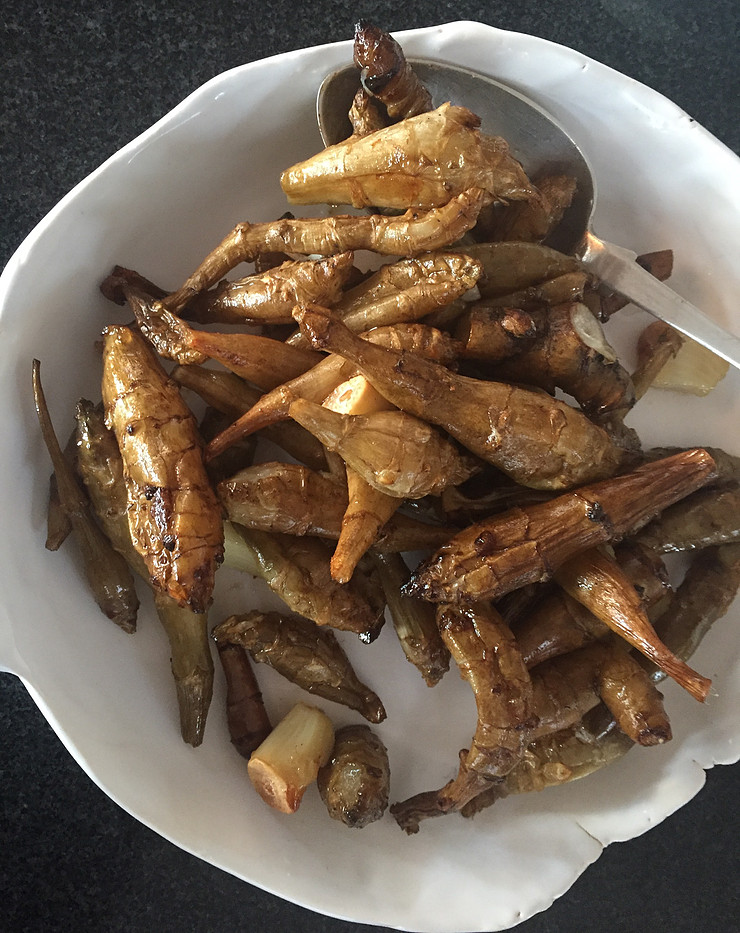
This is not a recipe but rather a throw-together of ingredients: cooking Jerusalem artichokes my way. I like them skin on, roasted to a crispy outside, with a nutty, luscious inside!

When preparing Jerusalem artichokes I take off all the little root parts, soak the artichokes in a bowl of cold water for 20 minutes and them scrub them clean with a small brush.

Preheat your oven to 180℃.

Dry the cleaned chokes and drizzle with olive oil and season with salt.

Cut a bulb of garlic in two and add that to the roasting tin.

Place in the heated oven and bake. I give the chokes about 20 minutes to get them started and then I give the roasting tin a very good shake so that the chokes roll around and get covered in oil again.

You can start “testing” the chokes after 25 minutes or so by piercing one with a sharp knife. They should be soft on the inside but don’t leave them until they become mushy – you want a crisp choke.

Once they are done take the tin out of the oven and squeeze the garlic out of the bulb and into the pan. Give the garlic and artichokes a good mix through and serve immediately.

This is what heaven on earth tastes like….

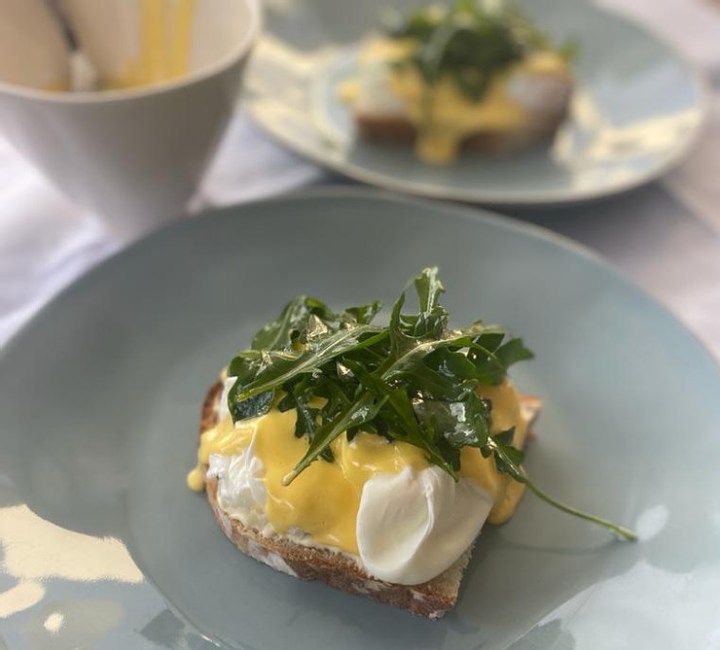
P.S.: If you happen to have any hollandaise sauce hanging around, now is a good time to put it to use!

Pumpkin Fudge

Pumpkin Fudge

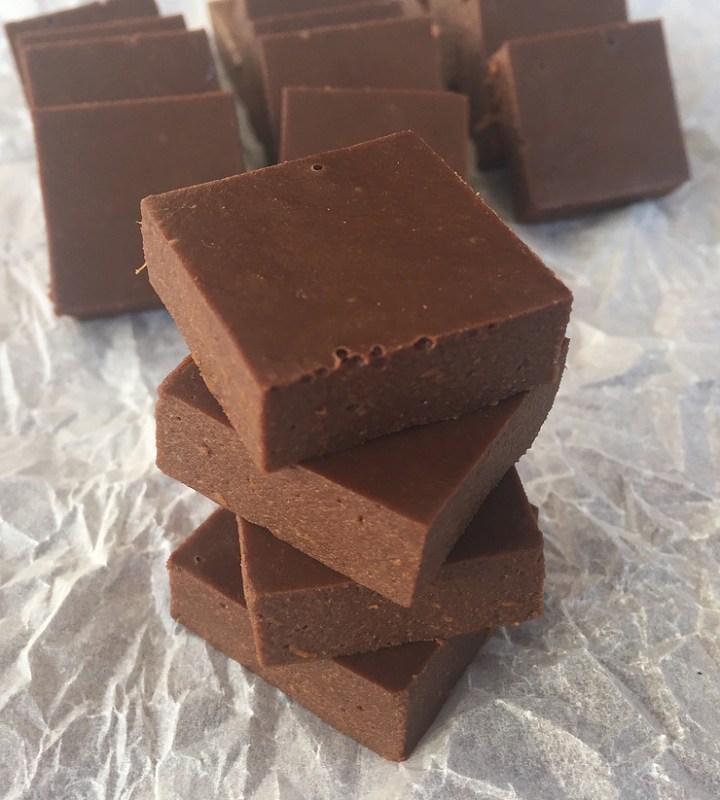
I dedicate this treat to all my gluten intolerant friends as well as those of you who prefer low carb, Keto friendly snacks.

250ml pureed pumpkin

185ml chopped Valrhona dark chocolate

60ml powdered gelatine

90ml cold water

Pour 90ml cold water into a small bowl. Scatter the gelatine on the water and leave to bloom for 5 minutes.

Line a small baking tin/plastic container with tinfoil and spray with cooking spray. I use a 20 x 20cm baking tin for this. The size of your container will determine how thick/chunky your fudge will be.

Roast the pumpkin in your oven until very soft.

If you are using pumpkin that was left over/that you have prepared at an earlier stage, warm it up in the microwave oven and then puree 250ml of it in a blender. It is important that the pumpkin is warm when you work with it.

Once the gelatine is spongy, gently melt it in the microwave oven, literally allowing 30 seconds before taking it out and checking whether it has melted. Repeat this process until the gelatine is completely melted and liquid.

Add the gelatine to the pureed pumpkin in a steady stream, with the engine running.

Melt the chocolate in a heatproof bowl set over a pan of gently simmering water, making sure the bottom of the bowl is not in contact with the water.

Once the chocolate is completely melted, add it to the pumpkin mixture as you did the gelatine.

Pour the mixture into the prepared baking tin and leave at room temperature for three hours or so.

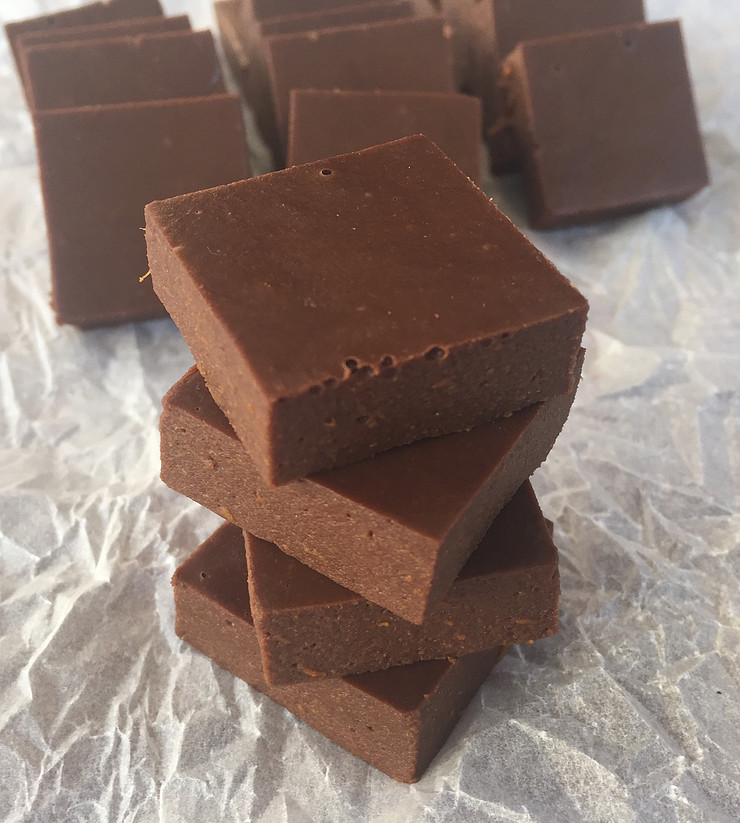
Cut into squares to serve.

Hollandaise Sauce

Hollandaise Sauce

There are few things as delicious as a rich, buttery hollandaise sauce, whether it is eaten on eggs Benedict, grilled salmon, asparagus or even with roasted Jerusalem artichokes.

When I was at chefs school, a hollandaise sauce was a nightmare to make during an exam as it splits easily, takes a lot of effort and time to make and cannot be reheated. Many people love to eat it but sadly, few attempt it because of these horror stories. This then is my foolproof version of hollandaise with all the taste of a cheffy sauce but none of the pitfalls of making it

3 egg yolks

15ml lemon juice

5ml Dijon mustard

1,2ml salt

125ml butter, melted and really hot

Add the yolks, lemon, mustard and salt to a blender. Combine for 15 seconds or so.

Melt the butter in the microwave oven. Now warm the butter until it is really hot.

Drizzle the butter into the egg mixture with the engine running. Do not add it too quickly but rather in a very small stream, giving the mixture time to emulsify.

Pour the warm, luscious sauce into a jug and serve by spooning generous amounts onto your chosen food.

If your sauce splits, simply add 15-30ml of boiling water in a steady stream, while the engine of your blender is running. Blend until the sauce emulsifies and comes together.

One small word of caution: hollandaise does not reheat successfully and should preferably be made once you have everything ready and are about to serve your dish.

Chocolate Mud Cake

Chocolate Mud Cake

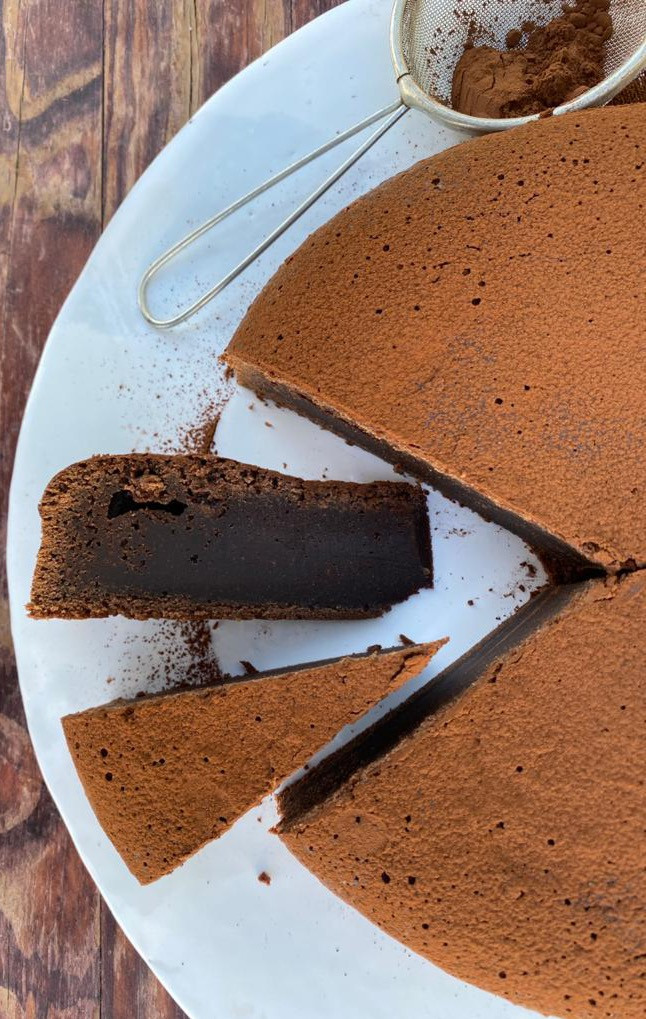
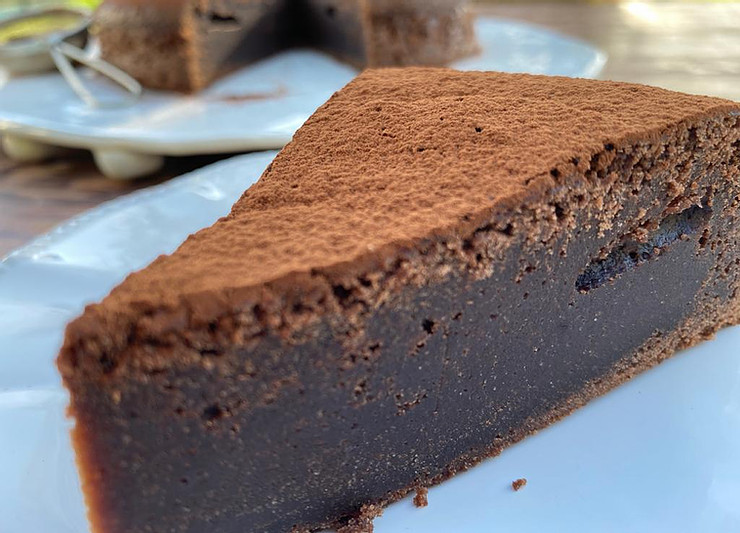
A mud cake differs from other chocolate cakes in that it is a dense cake with almost no crumbs. It is a cake with an intense taste that almost sticks to your palette, but in a good, chocolatey way. If you like airy, fluffy cake, this is NOT for you!

500ml flour

1,2ml baking powder

125ml cocoa powder

250ml butter

250ml chopped chocolate

375ml milk

10ml vanilla extract

375ml caster sugar

2 eggs

Preheat your oven to 170℃.

Spray and line a 22cm springform tin with baking paper.

Sift the flour, baking powder and cocoa powder into the bowl of a stand mixer fitted with the whisk attachment.

Add the butter, chocolate and milk to a saucepan and warm over medium heat. Stir occasionally so that the chocolate melts completely.

Take off the heat and allow to cool slightly and then stir in the vanilla extract.

Turn your mixer onto low speed and add the chocolate mixture to the dry ingredients.

Add the sugar to the dry ingredients and then add the eggs one at a time.

Mix well so that you have a smooth batter.

Pour the batter into the prepared baking tin, tap the baking tin on your counter so that the air bubbles escape and bake for one hour. Test whether the cake is done by inserting a toothpick into the centre.

Remove the cake from the oven and allow to cool completely in the tin.

Once cooled, remove from the tin and dust the cake with additional cocoa powder.

Meatballs with Saffron and Corn Polenta

Meatballs with Saffron and Corn Polenta

I find making meatballs therapeutic. I love mixing the raw ingredients together and squashing it through my fingers like mud and I feel oddly proud when I make it into beautiful round balls (mine are far from perfectly round but nevertheless, I like to think so and the exact shape isn’t really important to me).

This recipe makes a large batch of meatballs and is one of my fall-backs when my children’s friends unexpectedly stay for dinner. When I make these for the six of us, I make eighteen large meatballs and with the rest of the ingredients I make tiny cocktail ones, which I then serve up with pre-dinner drinks on the verandah the next evening. If I have enough of the small meatballs I freeze them and add them to a pasta sauce at a later stage.

For the meatballs:

1kg beef mince

1 large onion

1 sweet pepper

3 cloves of garlic

20ml salt

10ml smoked paprika

5ml mixed spice

5ml nutmeg

125ml breadcrumbs

a good handful of fresh herbs, chopped

2 large eggs

Chop the onion and sweet pepper into very small pieces and add it to a mixing bowl with the mince.

Crush the garlic cloves and add to the mixture as well as the paprika, mixed spice, nutmeg breadcrumbs and chopped herbs.

Break the eggs into a small bowl and give them a quick whisk before adding to the rest of the ingredients.

Mix everything together (this is the mixing I do with my hands – try it, its wonderful!).

Preheat your oven to 180℃.

Pour a thin layer of oil into a roasting tray.

Scoop up some mixture with a dessert spoon and roll the meatballs between the palms of your hands. Place on the roasting tray and keep going until you have utilised all of the mixture.

Bake the large meatballs for 30 – 35 minutes and the small ones, if you are making them, for 15 – 20 minutes.

For the saffron and corn polenta:

750ml chicken stock

250ml polenta

10ml salt

a pinch of saffron threads

62ml butter

1 tin of corn kernels

Pour the chicken stock into a saucepan and bring to the boil.

In the meantime, make a slurry with the polenta and some cold water.

Add the saffron threads to the boiling stock and slowly pour in the slurry while whisking continuously. Once the mixture is smooth and lump-free, turn down the heat to a low simmer and put a lid on the saucepan.

Leave to simmer for 25 – 30 minutes, stirring occasionally.

Take the polenta from the heat, add the butter and the corn kernels and give it a good mix.

Serve straight away.

I like to serve this dish with oven roasted tomatoes. Simply drizzle Roma tomatoes with olive oil, balsamic vinegar and a sprinkling of salt and roast at 180℃ until wrinkled and bursting with juice and flavour.

Real Bread

Real Bread

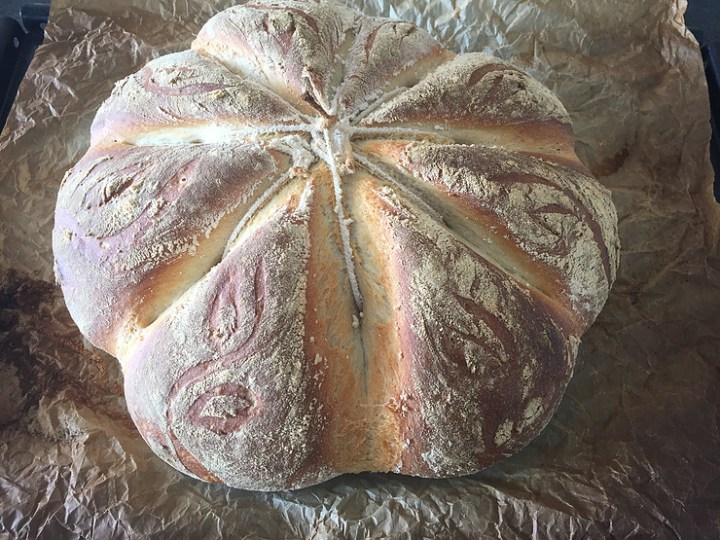
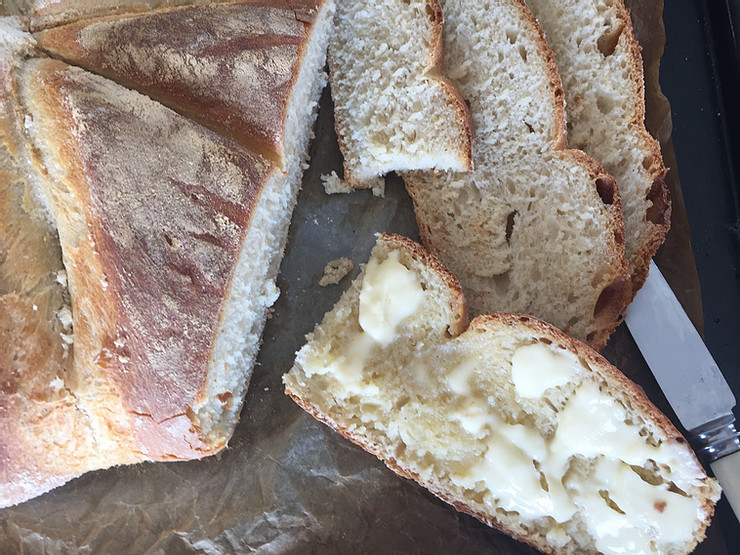
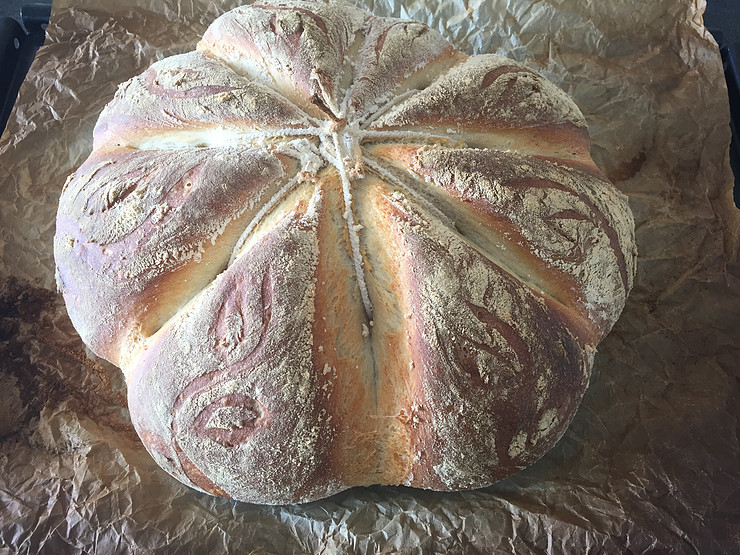
I thought about naming this bread, Rustic bread, but in my heart of hearts I would have felt cheated. This to me, is real bread. It is my personal favourite of all the different breads I bake and quite frankly, it is the only bread I would bake, had I been alone in my house!

I make this bread in my stand mixer with the dough hook as it is a large quantity and the dough is very soft.

1kg bread flour

15g instant yeast

15ml salt

± 700ml lukewarm water

Fit your stand mixer with the dough hook.

Add the bread flour, yeast and salt into the mixing bowl and turn the mixer onto low speed.

Add most of the water in a steady stream and then have a look to see whether the mixture needs all of the water. It might be that the dough needs some extra water to come together into a kneadable dough.

Knead on medium speed for 3 – 4 minutes and be sure to watch the mixer – they tend to “walk” off the counter space when left alone!!

Lightly oil a large, clean mixing bowl and place the dough in it. Wrap with a damp tea towel and put in a warm place to prove for an hour or so. I put my dough into a drawer next to my oven and it works like a charm!

Once the dough has almost doubled in size, take it out of the mixing bowl and knock it down and shape your bread.

Place it onto a baking sheet lined with baking paper, cover loosely with a tea towel and let it prove for another 30 minutes to become puffy.

Preheat your oven to 250℃.

Place the bread into the heated oven and bake for 10 minutes.

Without touching or opening the oven door, turn down the oven to 220℃ and bake for a further 25 minutes.

Remove your bread and let it cool on a cooling rack.

I enjoy making different shapes of bread. Simply tie the dough up ever so lightly, before the final 30 minute rest

Lemon Meringue Pie

Lemon Meringue Pie

Call it retro, old fashioned, whatever you like, but lemon meringue pie is easy and quick to make and hits all the right spots between sweet and tangy.

The recipe makes one large pie if you are using a loose-bottomed cake tin or you can split it between two small pie dishes so that you have one to take to the neighbours

For the biscuit base:

300g digestive biscuits (or any other dry biscuit)

170g butter, melted

Break up the biscuits, add them to a plastic bag and smash them to smithereens.

Melt the butter in the microwave oven and mix the crumbed biscuits into it.

Transfer the mixture to your pie tin/s and press firmly to evenly coat the bottom and about 4cm up the sides.

Place the biscuit base into the refrigerator so that it can cool down completely and set.

For the filling:

2 tins of condensed milk

250ml lemon juice

the yolks of 6 eggs

Decant the condensed milk into a mixing bowl.

Add a small splash of the lemon juice and mix it into the condensed milk with a spatula or spoon. Keep adding and mixing until all the lemon juice is incorporated and you have a smooth mixture. If you add all the lemon juice at once, keep mixing, it will eventually come together.

Give the yolks a mix with a fork so that they break up and add them to the mixture, once again stirring until incorporated.

Take your biscuit base from the refrigerator and pour the condensed milk mixture into the base.

For the meringue:

Preheat your oven to 180℃.

Now, when you make the meringue with six egg whites you will have a very large quantity. You have two options: make the full recipe and save half of it in the refrigerator for tomorrow evening’s sago and meringue pudding or half the recipe; i.e. use only three egg whites and half the quantity sugar.

6 egg whites (or 3 if you decide to go half)

1ml cream of tartar, this stays the same

250g caster sugar (or 125g if you go half)

Add the egg whites and cream of tartar to the mixing bowl of a stand mixer fitted with the whisk attachment.

Turn the mixer onto a low speed so that the whites froth up.

Once they are frothy, turn the mixer to medium speed and beat the whites until they only just start forming soft peaks.

Keep the mixer running and add one teaspoon of sugar. Wait for 20 – 30 seconds before adding the next teaspoon of sugar. This is important as you want to incorporate every grain of sugar into the whites before adding more sugar.

Once you have incorporated about half the sugar, you may add two teaspoons of sugar every 30 seconds, as the meringue mixture should now be stable. Put on your favourite record and breathe while attempting this as it is the only way of achieving a stable, glossy meringue that will hold its peaks.

Once all the sugar has been incorporated you should be left with a mixture that forms a stiff peak and has a beautiful sheen to it.

Scoop the meringue into a piping bag and decorate your pie or simply heap the meringue onto the pie to cover the entire surface.

Place in the preheated oven and bake for 15 minutes.

Take the pie from the oven and allow to cool completely before serving.

Lockdown Quiche

Lockdown Quiche

Quiche is my go-to when I have bits and bobs of ingredients in the fridge: cheese, bacon, smoked meat and even leftover roasted veg. This is a basic recipe for you to utilise all those scraps and produce a delicious, healthy meal for lunch.

The recipe makes one large quiche which I bake in a loose-bottomed cake tin or two standard sized quiche, in fluted tins. You can feed eight hungry people if you add a salad and a fresh loaf.

For the pastry:

Make one batch of the recipe for Sour Cream Pastry.

Preheat your oven to 220℃.

Lightly dust a work surface with flour. Roll the pastry to a thickness of 3mm and line the bottom and sides of a greased loose-bottomed cake tin. If you have pastry left, wrap it in plastic wrap and store in the refrigerator to make tomato tartelettes tomorrow!

Pierce the bottom of the pastry with the tines of a fork so that the steam can escape while the pastry is cooking.

Now line the pastry case with baking paper and fill it with dried beans or rice so that it is an even layer, covering the entire area.

Bake the pastry for 10 minutes, remove from the oven and take out the baking paper with the beans and immediately put it back into the oven for a further 10 minutes.

Remove the pastry shell from the oven and allow to cool.

Turn down your oven to 180℃.

For the filling:

2 onions, sliced

250g bacon or chorizo sausage

250ml cheese: mozzarella, cheddar, feta or a combination of what you have, grated or cut into small cubes

500ml of what’s left in your fridge: mushroom, courgette, sweet pepper, roasted butternut, roasted mix veg, smoked chicken, spinach, kale

Heat some oil in a frying pan and fry the onion and bacon until the onion is soft.

If you are going to add something like mushroom, courgette, sweet pepper or spinach that is not yet cooked, you can add it to the pan now to cook it down. A minute or two will do as the entire quiche will be baked in the oven.

Take off the heat and allow to cool.

Spoon the cooled mixture into the cooled pie shell.

Sprinkle the cheese over the mixture.

For the custard:

250ml sour cream or fresh cream or a combination of milk and cream cheese, well mixed

4 eggs

salt and pepper

a pinch of mustard powder or smoked paprika

Whisk the eggs together and add the sour cream.

Season with salt, pepper and mustard powder and give the mixture a good whisk to combine.

Pour over the filling and bake at 180℃ for 30 – 40 minutes or until the quiche is a beautiful golden brown.

Serve at room temperature.

Sour Cream Pastry

Sour Cream Pastry

This sour cream pastry is one of the most versatile pastries to make. It is perfect for quiche, tomato tartelettes, chicken pie and quite frankly, any savoury dish you need a pie crust for. It will keep in the refrigerator for 3 – 4 days if you wrap it tightly in plastic wrap.

750ml cake flour

2,5ml salt

250g butter

250ml sour cream

Combine the flour and salt by sifting it together.

Cut the cold butter into small cubes , add to the flour and rub the butter into the flour mixture with your fingertips until it is the size of peas. At chef’s school we were taught to lift hands and mixture up above the mixing bowl, so that air is incorporated into your pastry and it is short and light.

Add the sour cream to the mixture and mix together to form a firm dough.

Knead the dough three or four times, just to bring it together, and fold it over onto itself for three or four times. You want the butter to disperse evenly throughout the pastry without warming/overworking it.

Wrap the pastry with plastic wrap and refrigerate it for thirty minutes or overnight.

If you want to pre-bake the pastry for a pie shell, you should bake it at 220℃.

The baking time will depend on what you are making, but usually you will line the pie dish with pastry, line the pastry with baking paper and add dried beans/rice and bake for 10 minutes. Then empty the shell of the beans/rice and baking paper and bake for a further 10 minutes