Chimichurri Sauce

Chimichurri Sauce

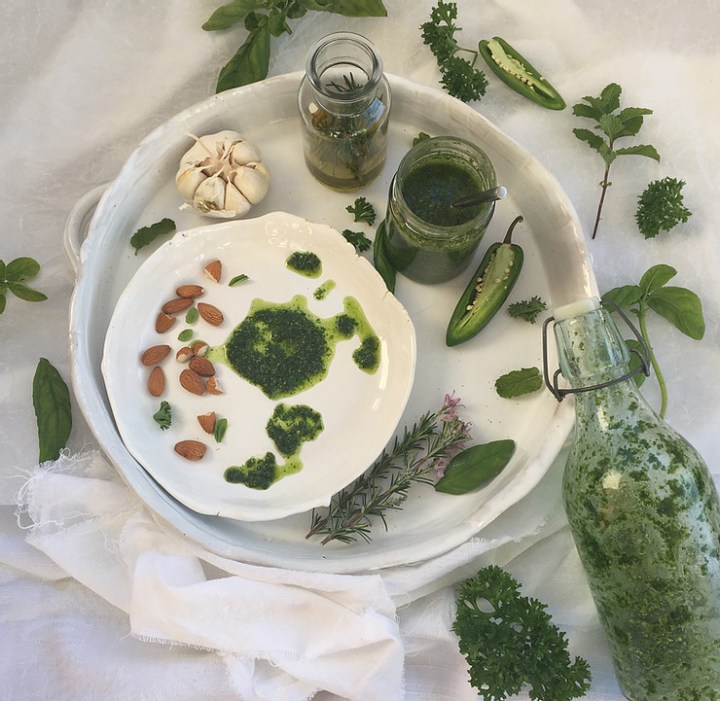
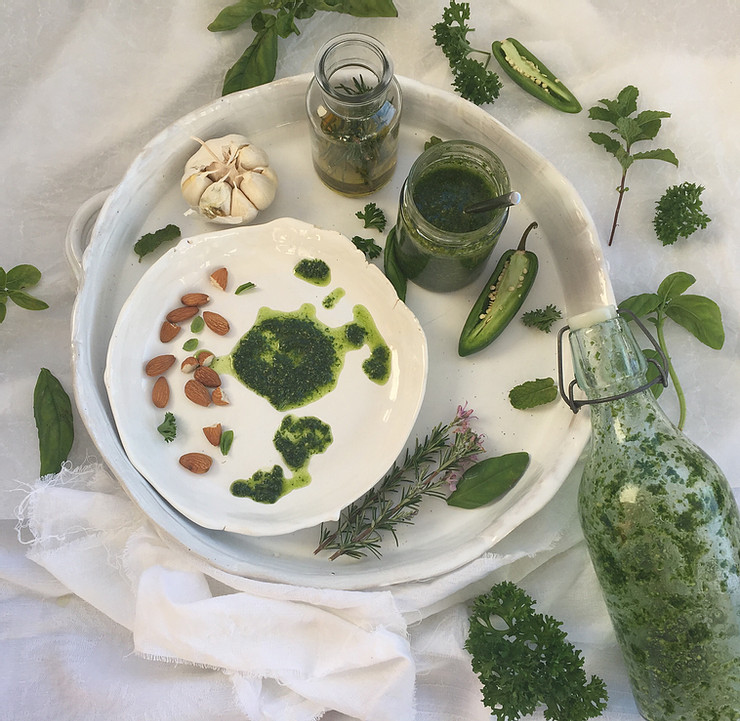
Chimichurri sauce will delight your senses and transform boring into a taste sensation and that is no exaggeration! This is a bright, herbaceous sauce that is easy to make and can be kept in the fridge for up to five days.

Traditionally an Argentinian sauce for grilled meats, it is a loose, oil-based sauce that is made by hand. It differs from pesto in that it contains no cheese and has a pucker tang to it that refreshes the palate. Adjust the taste so that it suits YOUR palate – add a variety of soft herbs like parsley, mint, basil and oregano or make it less garlicky, spice it up with fresh chilli, replace the vinegar with lemon juice, add a minced red onion, but whatever you do, be sure to make it.

It may be used as a marinade for meat or basted onto barbecued steak, chicken, fish, vegetables and is delicious as a dip for crusty bread. But do yourself a favour and simply spoon a generous amount onto your next steak, hot off the fire!

125ml olive oil

30ml red wine vinegar

125ml finely chopped parsley

4 cloves garlic, minced

10ml oregano, finely chopped

5ml salt

Mix all the ingredients together and let it stand for at least 2 hours, but preferably overnight, so that the flavours can develop.

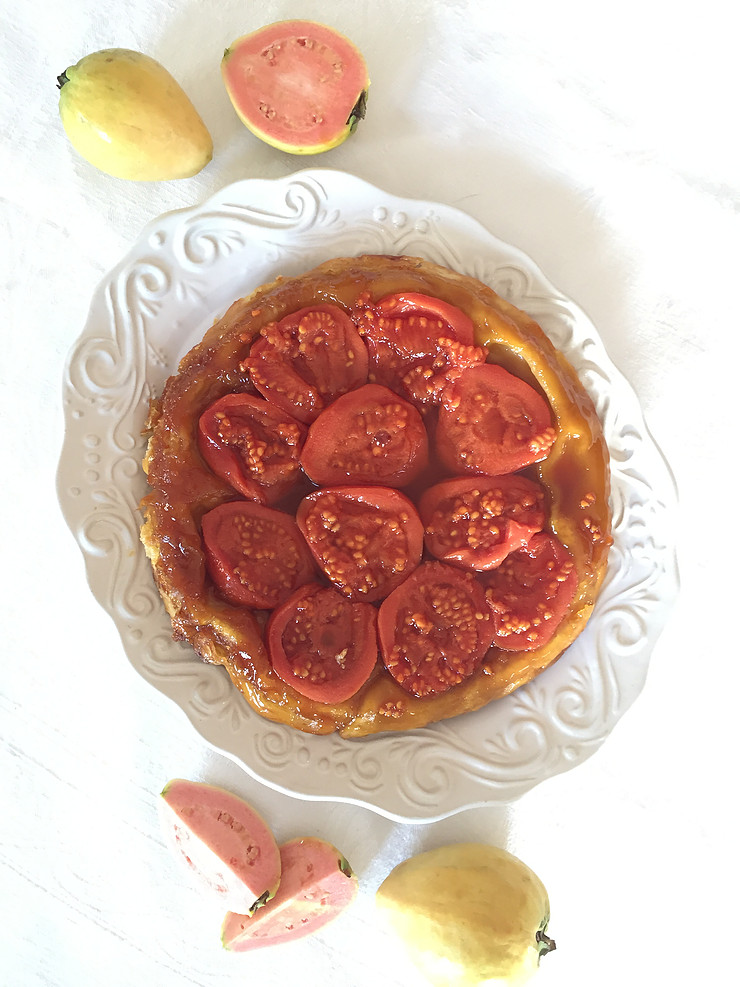
Guava Tarte Tatin

Guava Tarte Tatin

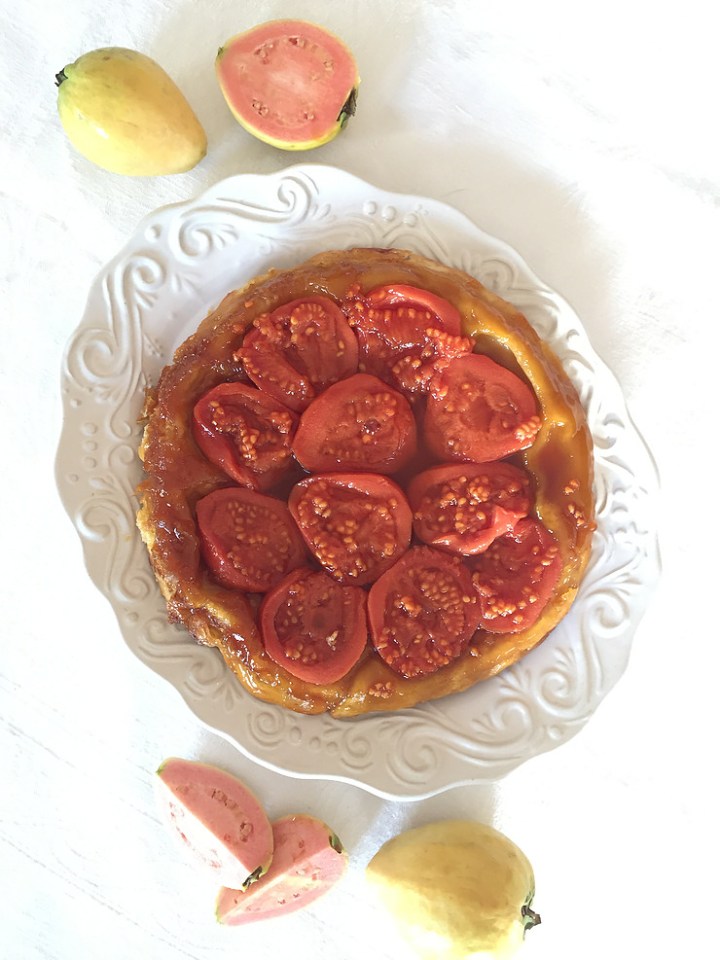
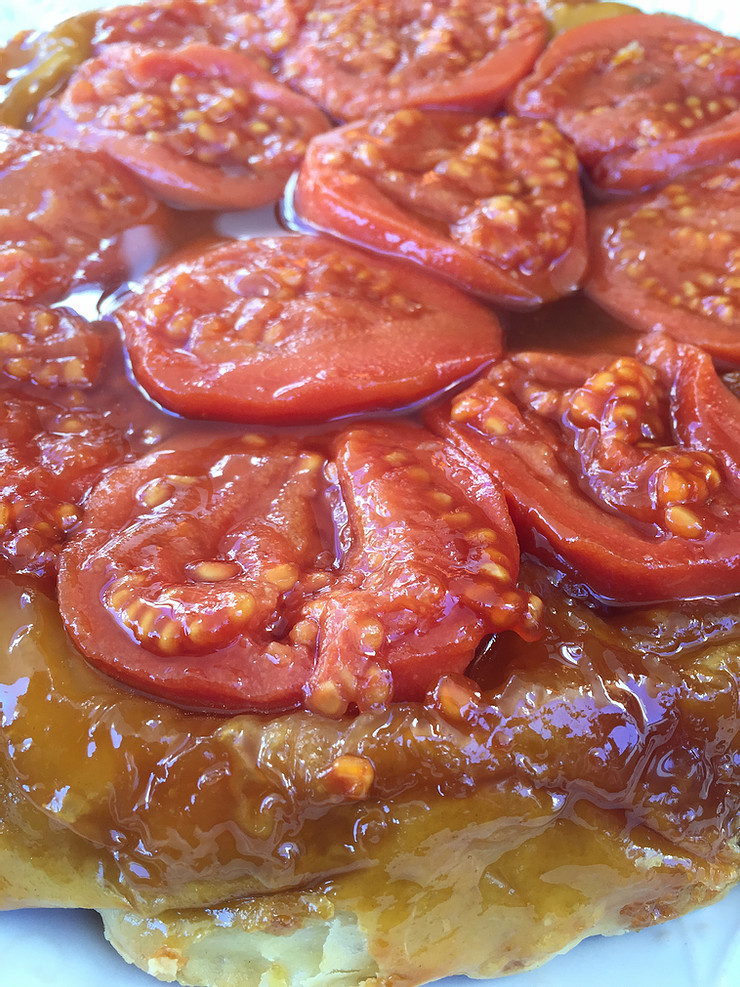
This upside down guava tart is like a tropical flavour burst in your mouth. I made this a while ago because my entire family loves guava in all its variations and what a surprise it was. Tarte Tatin is a French dish that normally utilises fruits like apples and pears, caramelised in sugar with a crisp, flaky pastry base. Soft, juicy fruits like guavas are usually not used because of all its soft flesh that create excess liquid, but believe me, this is heaven on your taste buds. It is a reminder that sometimes we have to go against the traditional to discover the truly sublime!

5 – 6 fresh ripe guavas, peeled and halved

80g butter

150g sugar

300g puff pastry

Preheat your oven to 190℃.

Select the pan you are going to use to bake this tart. I make mine in a steel frying pan but any pan will do as long as it can go into the oven. No plastic handles!!

Now, roll the dough so that you can cut a piece of pastry the size of the pan PLUS another 1.5cm all around. In other words, if you have a pan that is 20cm in diameter you will have a pastry circle that is 23cm in diameter. Prick the pastry with the tines of a fork and place in the fridge until needed.

Spread/rub the butter in a thick layer over the bottom and sides of the pan. Sprinkle the sugar on the base in a thick, even layer.

Put the pan on a medium heat.

Pack the guava halves cut-side down onto the sugar. You have to watch the sugar and fruit closely: you want the sugar to melt and develop a good caramel colour without burning. Shake the pan lightly from time to time.

Once the sugar has reached a deep, golden colour, take the pan from the heat.

Remove the pastry from the fridge and place it on top of the guavas, tucking down the sides of the pastry.

Place the tart in the oven and bake for 25 – 30 minutes until the pastry is cooked and has developed a honey colour.

Remove the pan from the oven and give it a 5 minute rest. This is important: if you don’t wait for the caramel to settle it will run all over the place when you invert the tart and conversely, if you leave the tart standing for too long it will become sticky and you will have a hard time removing it from the pan.

Run a knife around the edge of the pan to loosen any caramel and place your serving plate on top of the pan, covering the tart. Invert in one quick flick.

Serve with cream or ice cream.

South African Pumpkin Tart

South African Pumpkin Tart

I want to explain myself: this is a TART because a PIE usually has a “lid” or covering of pastry of a sort. Soooo, this dish might remind one of pumpkin pie, but strictly spoken it is a tart. What makes it even more unique is the fact that it is a South African Tart. It has an earthiness from the pumpkin that is utterly yum and the cinnamon that is sprinkled on the hot tart, gives that wonderful homely warmth that is truly South African and perfect for winter meals.

This is the easiest tart you will ever make and be warned; keep a copy of the recipe because you will be asked for it!

250ml flour

250ml sugar

5ml salt

750ml cooked, well-drained pumpkin

60ml butter, melted

250ml cream

3 eggs, lightly beaten

5ml ground cinnamon

Preheat your oven to 180℃.

Lightly spray or grease a 25cm ceramic pie dish.

Sift the flour and salt into a mixing bowl.

Add the sugar and pumpkin and give the mixture a stir.

Add the melted butter and cream to a wide mouthed jug and whisk together. Add the eggs and give the mixture another thorough whisk.

Pour the wet ingredients into the pumpkin mixture and mix together really well.

Pour the mixture into the pie dish and bake for 1 hour.

Remove from the oven and immediately sprinkle an even layer of cinnamon over the tart while it is hot.

In winter I like serving this pumpkin tart warm as a side dish to a meal but it is equally delicious in summer, when served at room temperature.

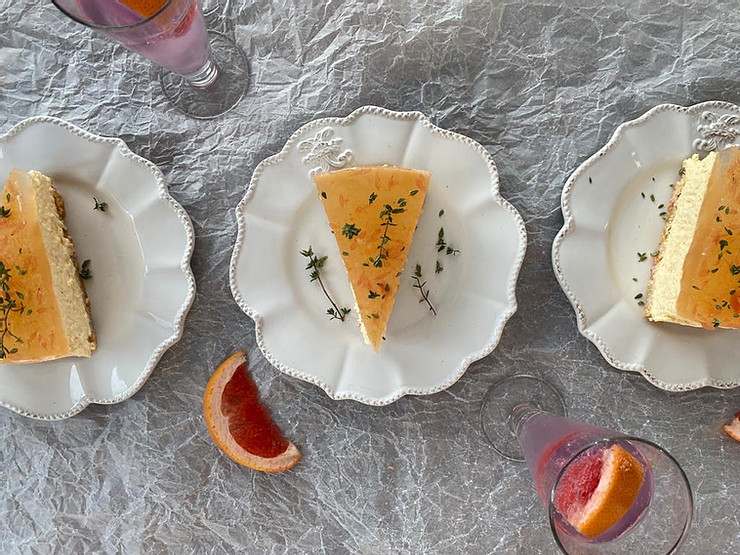
Gin nad Tonic Cheesecake

Gin nad Tonic Cheesecake

If you enjoy having a G&T you will looooove this cheesecake! It is refreshing and filled with all the deliciousness of citrus. Be sure to use a cake tin that is AT LEAST 8cm deep, as the G&T layer should be generous in order to counter the richness of the cheesecake. This is going to be your new favourite all-in-one snack! Cheers!

For the cheesecake:

250g Tennis biscuits, or if you don’t like the coconut you may use digestive biscuits

80g butter, melted

500g cream cheese

500g mascarpone

100g caster sugar

grated zest of 1 lemon

juice of 1 lemon

grated zest of one grapefruit

juice of one grapefruit. (If you dislike grapefruit you may replace the zest and juice with lemon)

Blitz the biscuits to crumbs in a food processor. Alternatively, put them into a plastic bag and smash them with a rolling pin.

Add the biscuits and melted butter to a small bowl and mix thoroughly.

Tip the mixture into a 22cm sprayed, loose bottomed cake tin that is at least 8cm deep.

Use the back of a spoon to press the biscuit mixture onto the base of the cake tin.

Put the base into the fridge to firm up.

Add the cream cheese, mascarpone, caster sugar, zest and juice into the mixing bowl of a stand mixer fitted with the paddle attachment. Beat until smooth.

Spoon the mixture into the biscuit base, making sure you have a smooth and level surface.

Cover the cake tin with plastic wrap and put back into the fridge.

Leave to firm up for at least 3 hours.

For the G&T layer:

30ml powdered gelatine

juice of 2 lemons

juice of 1 grapefruit (or 2 lemons)

100g caster sugar

60ml gin

300ml bitter lemon or tonic water

a few sprigs of thyme

Pour 90ml cold water into a small bowl and sprinkle the gelatine on top. Put aside for 5 minutes.

Pour the lemon and grapefruit juice into a small saucepan and add the zest and the caster sugar.

Gently heat the mixture, stirring to dissolve all of the sugar.

Melt the gelatine in the microwave oven for 10 second intervals at a time. Take care not to burn it!

Add the melted gelatine to the juice mixture and give it a really good whisk to ensure the gelatine is evenly dispersed throughout the mixture.

Strip the leaves off the thyme sprig and add them to the mixture.

Add the bitter lemon or tonic water and the gin and stir to mix.

Pour the mixture over the cheesecake and chill to set overnight.

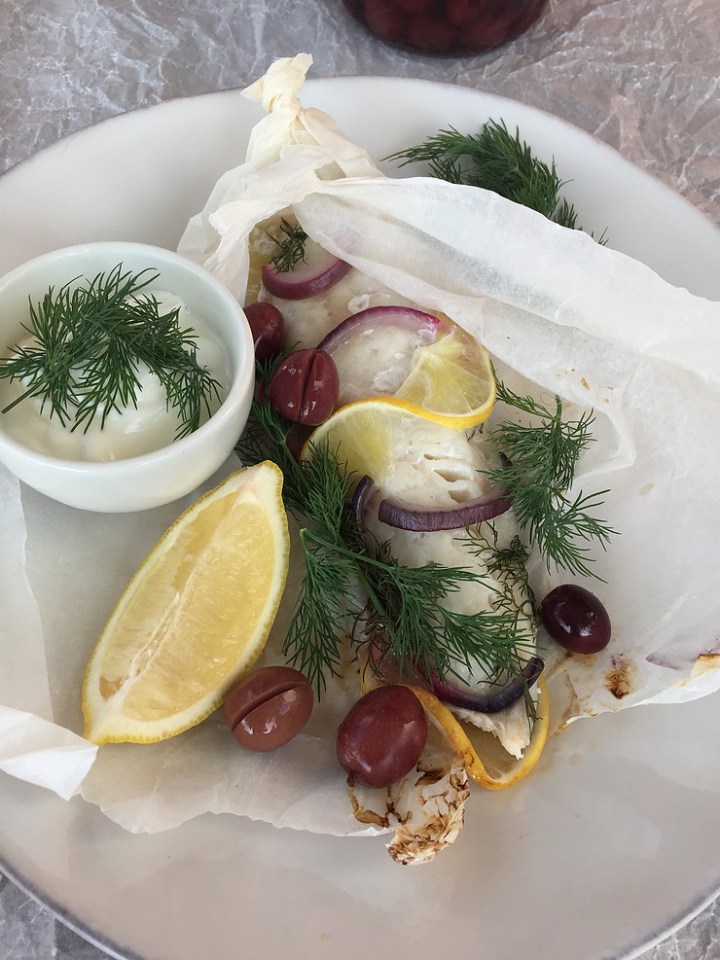
Fish en Papillote

Fish en Papillote

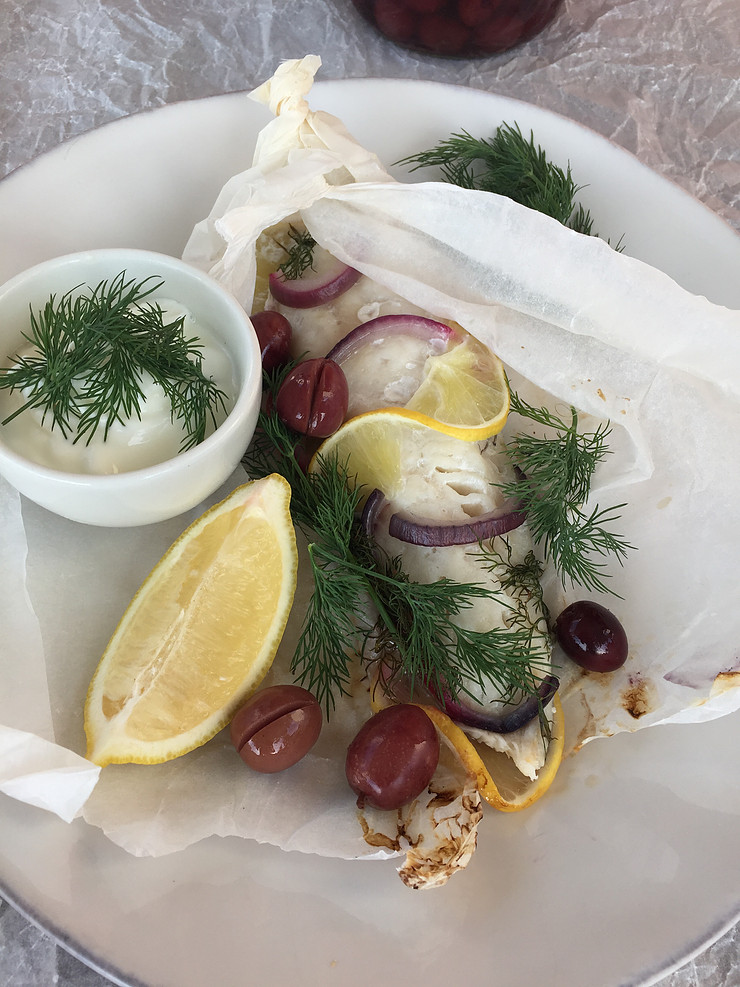
En papillote is a delicious French steamed dish or directly translated, fish in a paper parcel. It is cooked or steamed in the paper and served in it as well. This is a super quick, incredibly nutritious and really delicious way of cooking fish and the parcels can even be made up the day before, kept in the fridge and then popped into the oven when you need them.

The flavour combinations that you can add to this dish is limited only by your imagination..

Preheat your oven to 190℃.

Clean and dry the fillets you are going to cook (I often use frozen!)

Cut your baking paper 10cm bigger than the length of the fillet and then cut the sides the size of a square. Lightly spray or oil the paper.

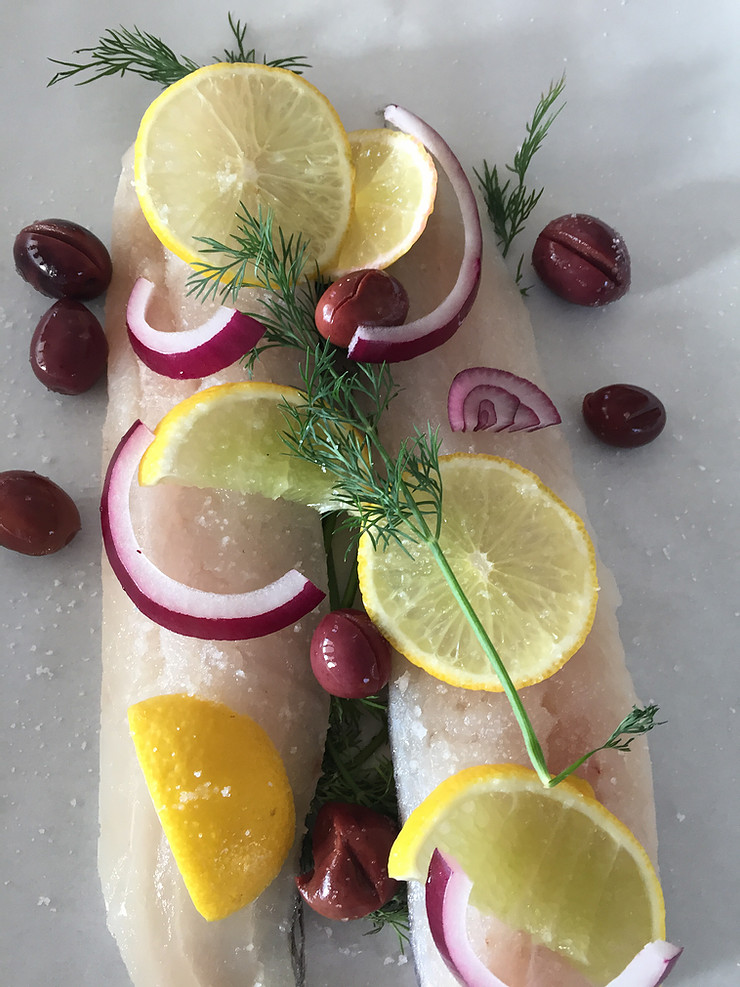
Place the fish fillet onto some dill or fresh basil leaves, season the fillet with salt and pepper and load the rest of your flavourings on top of the fillet. I like using lemon, red onion and olives but tiny rosa tomatoes, slices of orange, mushroom, bay leave also work really well.

Pour one tablespoon of white whine or vegetable stock onto your ingredients.

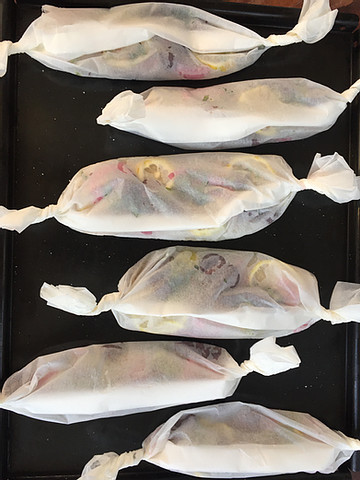
Now, fold the paper together over the length of the fish. Press down onto the folded part to hold it in place and twist the end. Repeat on the other end. You are aiming to seal your parcel so that the content can steam on the inside.

Place all your parcels on a baking sheet and cook in the preheated oven for 15 minutes.

Remove from the oven and place the fish parcel in its paper directly onto the dinner plate.

Serve with a yoghurt and dill dip and fresh lemon on the side.

PS: When I’m really in a rush I use frozen fish fillets. In that case I omit the tablespoon of wine as there will be enough liquid when the fillet defrosts, to cook it. In these instances I also cook the fish for 5 minutes longer.

Old Fashioned Guavas in Syrup

Old Fashioned Guavas in Syrup

These guavas in sugar syrup take me back to barefoot days as a child and even looking at them, leaves me thinking retro! They are however delicious with custard and convinces one to sneak down the stairs late at night and dip into the jar in the fridge….

About 12 large, ripe guavas

250ml sugar

500ml water

Wash and peel the guavas.

Pour the water into a saucepan and add the sugar.

Turn on the heat and stir the mixture continuously until all the sugar has dissolved.

Bring to the boil, turn down the heat and allow the water and sugar to simmer for 10 minutes.

Add the guavas to the sugar syrup and simmer for another 10 minutes.

Turn off the heat and allow the fruit to cool in the syrup.

You may now serve the guavas with some of the syrup and custard or ice cream.

If you want to preserve the rest, simply spoon the fruit into clean, cold glass jars, fill up with sugar syrup in which you cooked it and seal.

Keep in the fridge for up to 4 weeks.

Peanut Butter Spinach

Peanut Butter Spinach

This is my take on Chef Lesego Semenya’s spinach dish in his book Dijo. Read about this brilliant young chef by clicking on the section Cook & Book on this blog

200g baby spinach

50g butter

200ml sour cream

45ml peanut butter

salt and pepper

a handful of peanuts or cashew nuts

Bring some water to the boil in a saucepan. Add the spinach for 15 seconds! Yes, you only want it to wilt!

Drain the spinach in a sieve and pat dry with kitchen paper to get rid of excessive moisture.

Melt the butter in the same saucepan and add the spinach to it. Stir for a minute or so.

Add the sour cream and peanut butter and stir to incorporate all the ingredients.

Season with salt and pepper and allow the sauce to thicken while stirring.

Remove from the heat, scatter the peanuts or cashews over the spinach and serve.

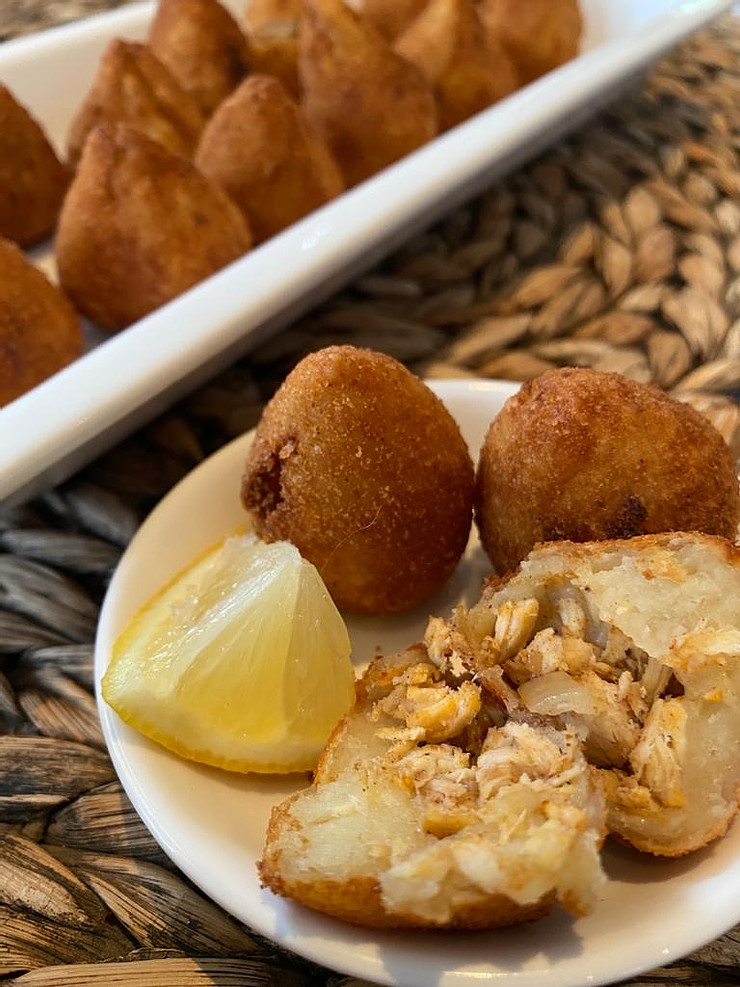
Coxinha

Coxinha

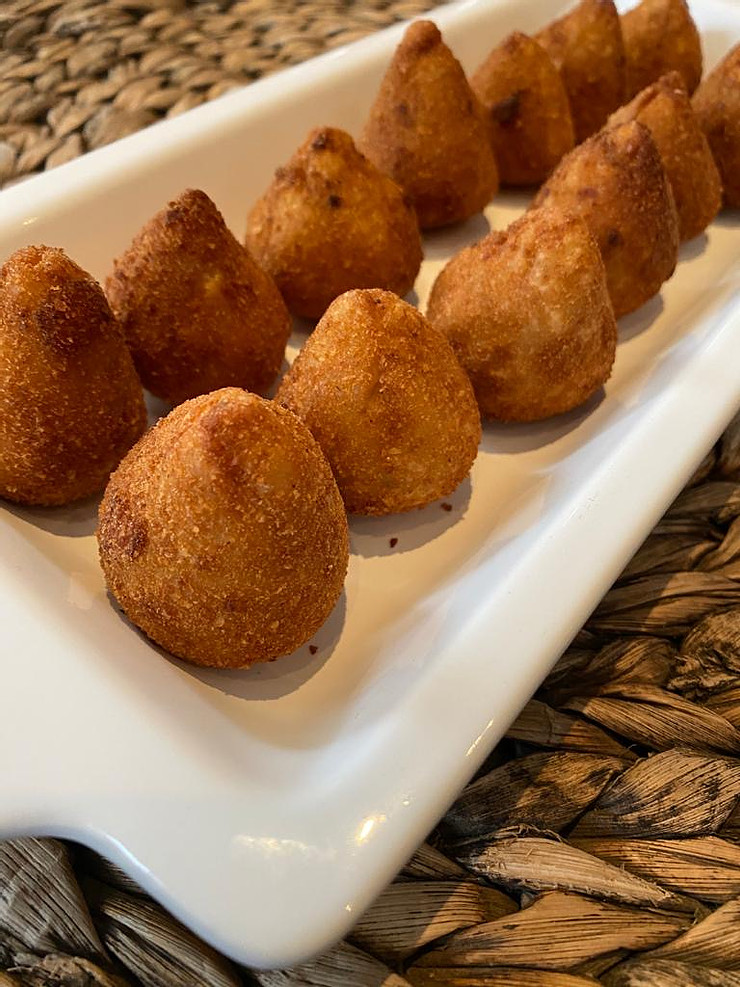
Coxinha are delicious chicken croquettes that you can find in almost every bar and casual eatery in Brazil. It is the Portuguese word for “little chicken thigh” although these canapés are pear shaped and often served in portions the size of an average pear. I prefer the tiny coxinhas.

To me these are the perfect winter canapé, eaten in front of the fireplace with a glass of wine and good company. They are extremely more-ish and deceptively easy to pop into your mouth, but then again, that is what evenings in front of the fireplace is for, isn’t it?

3 chicken breasts

1 litre stock, water and instant stock is fine in this case

1 small onion

3 cloves garlic, minced

30ml vegetable oil

375ml milk

50g butter

450g cake flour

a small handful fresh parsley

salt and pepper

Pour the stock into a large saucepan, immerse the chicken breast and cook until done.

Cool slightly and chop the chicken into small pieces.

Fry the onion and garlic in the oil until soft and set aside.

Pour 375ml of the cooking stock into a measuring jug and discard the rest.

Pour the 375ml stock back into the saucepan, add 375ml milk as well as the butter. Heat the mixture and allow the butter to melt.

Beat the flour, a little at a time, into the liquid and cook, stirring continuously, until the mixture comes together and pulls away from the sides of the saucepan.

Turn the dough out onto a plate until it is cool enough to handle, but as warm as possible. Do not let it become too cool as you need the steam/heat to help create the elasticity in the dough.

Knead the dough by hand for 10 minutes. It should be smooth and elastic.

Pinch off lumps of dough and roll it into a ball. Flatten the ball in the palm of your hand by pushing it into a circle with you thumb.

Add the cooked onion and garlic to the chopped chicken and season with salt, pepper and herbs.

Spoon a teaspoon full of the chicken mixture into each flattened ball, which now resembles a shell, bring up the edges all around and pinch the dough together to form a seal.

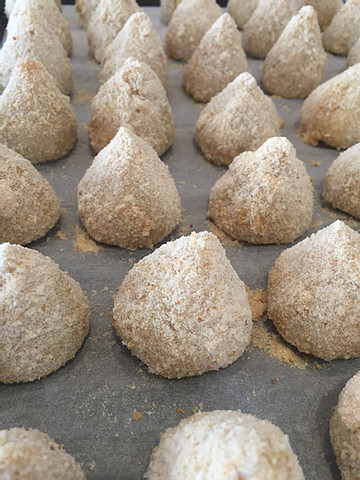
Shape each bundle into a small pear shape and place on a lined baking tray.

To fry:

2l vegetable oil

250ml milk

200g very fine breadcrumbs

1 egg

Beat the egg with the milk and pour the mixture into a shallow dish.

Add the breadcrumbs to another shallow dish.

Now proceed by first dipping a coxing into the egg mixture, then covering it in breadcrumbs and then leaving it to stand on a lined baking tray.

Heat the oil to 180℃ . The oil is ready when you drop a piece of dough into it and it immediately sizzles and turns brown

Deep fry about 5 croquettes at a time for approximately 5 minutes or until they are a beautiful golden colour.

Keep the fried coxinhas warm in an oven at 100℃ while you fry the rest.

Serve warm.

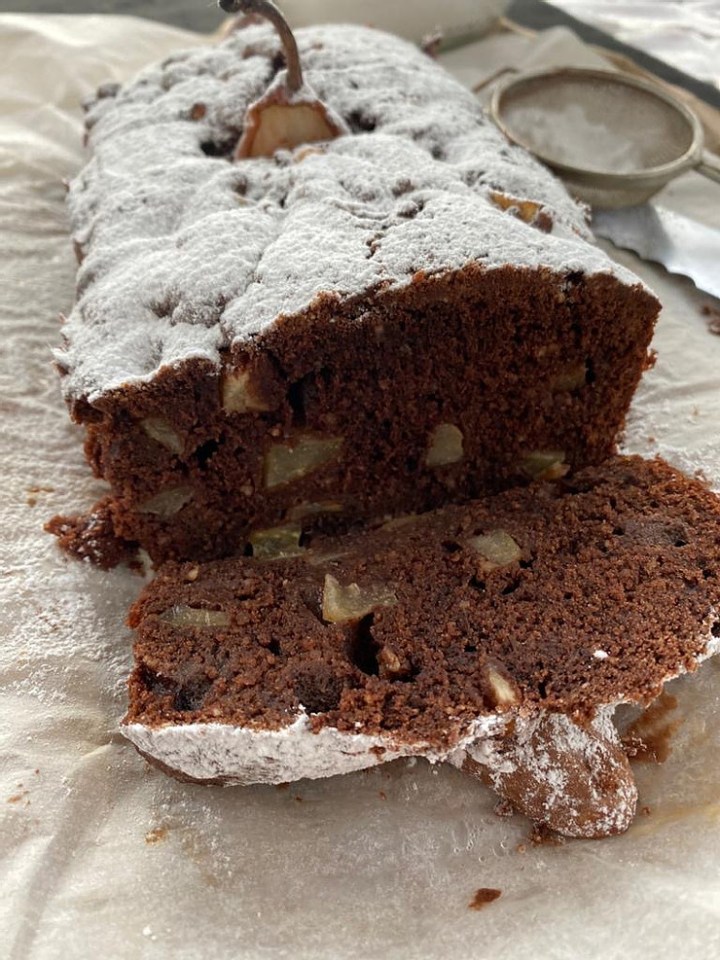
Chocolate-Almond Cake

Chocolate-Almond Cake

Chocolate and almond is a match made in heaven. This cake is very nutty, not too sweet and like a cloud on your palette, as it is served slightly warm. A true winter winner and sensational in every sense of the word!

You may replace the almonds with pecan nuts, hazelnuts or as I’ve done, half almond and half hazelnut.

250g butter

250g muscovado sugar or any dark brown sugar

4 eggs

45ml espresso

250g cake flour

15ml baking powder

200g almonds (or nuts of your choice), roughly chopped

250g dark chocolate, chopped into chunks, about the size of a hazelnut

Preheat your oven to 180℃.

Grease and line a 23cm loose-bottomed cake tin with baking paper.

Beat the butter and sugar in the bowl of a stand mixer fitted with the paddle attachment, until light and fluffy.

Add the eggs one at a time, beating well in between each addition.

Stir in the espresso.

Sift the flour and baking powder together in a separate bowl. Add the flour with a spoon while the machine is running on low speed, until everything is incorporated.

Keep some of the chopped almonds and chocolate aside to put onto the cake later.

Stir the rest of the chopped nuts and chocolate into the cake batter.

Spoon the mixture into the prepared cake tin and smooth the top with the back of the spoon.

Sprinkle the almonds and chocolate that you kept separate over the top.

Bake the cake for 50 minutes or until a skewer comes out clean when inserted into the centre of the cake.

Remove from the oven and allow to cool in the cake tin.

Serve the cake slightly warm.

If the cake is completely cold, preheat your oven to 100℃ and warm the cake in the oven for 10 minutes.

Traditional Bobotie and Tomato Sambal

Traditional Bobotie and Tomato Sambal

Bobotie is one of the most popular, traditional South African dishes. It consists of spicy beef mince baked in a savoury custard and eaten with sambals. Sambals were an economical way of adding flavour to an otherwise bland dish and usually has some sort of spice or acid going in it. Serve the bobotie with turmeric rice, fruit chutney and tomato sambal.

30ml oil

2 onions, chopped

1kg beef mince

2 slices white bread

250ml + 125ml milk

3 eggs

30ml mild curry powder

10ml salt

15ml turmeric

45ml lemon juice

125ml raisins

60ml chutney

4-6 bay leaves

Preheat your oven to 180℃.

Add the oil and chopped onion to a saucepan and fry the onion until caramelised. Spoon the onion into a mixing bowl and set aside.

Brown the minced meat in the same saucepan. Spoon that into the mixing bowl with the onion, once done.

Pour 250ml milk into a small bowl and soak the bread in it. Add this to the minced meat mixture.

Lightly beat two of the eggs and add them as well.

Add the rest of the ingredients, except the bay leaves and mix through.

Spray a casserole dish of about 18cm x 28cm, spoon the mixture into it and push the bay leaves into the mince in a random pattern. Cook in the oven for 20 minutes.

Whisk the 125ml milk and remaining egg together and pour the custard over the bobotie once it has cooked for 20 minutes.

Immediately put it back into the oven for another 15 minutes or until golden on top.

For the tomato sambal:

3 tomatoes

2 red onions

15ml lemon juice

15ml sugar

15ml olive oil

fresh parsley, chopped

Chop the tomatoes and onions and add to a small bowl.

Whisk together the lemon juice, sugar and olive oil and pour over the tomato and onions.

Season with salt and pepper and chopped parsley.