Hi and welcome to my blog! My name is Karen and I love cooking simple, uncomplicated, flavourful food. My cooking is inspired by seasonal ingredients, punchy flavours, an awareness of sustainability and of course by the likes and dislikes of my family and friends that sit around my table as well as you, the virtual guests around my table!
I am a chef, recipe developer and food stylist and generate my own content. I am also completely addicted to recipe books, of which I have an extremely large collection but the essence of my food is about celebrating life and all the fabulousness that we can add by creating good food.
Thank you for reading my blog. Please keep on giving me feedback and may your kitchen, as mine, be filled with joy and the best tasting food!
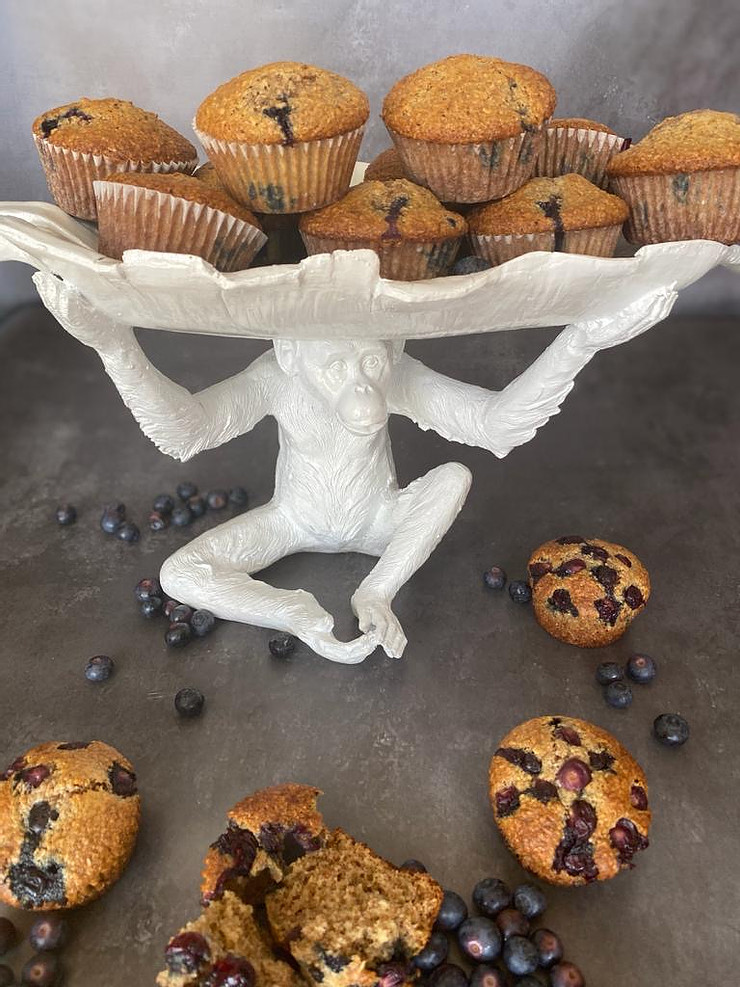
These Blueberry-Bran Muffins are such a crowd pleaser and takes minutes to put together for brunch or that in between, healthy snack. You may replace the blueberries with any other berries or a combination of berries. The recipes makes about 16 standard sized muffins.
300g cake flour
100g bran flakes
300g brown sugar
1,2ml salt
15ml bicarbonate of soda
50ml of milk
2 eggs
450ml milk
100ml vegetable oil
5ml vanilla extract
500ml fresh or frozen blueberries
Preheat your oven to 180℃.
Line two standard muffin tins with paper cups.
Add the flour, bran flakes, sugar and salt to a mixing bowl and mix through.
Add the 50ml of milk and bicarbonate of soda to a small bowl and stir to dissolve the bicarb. Set aside.
Add the eggs to a clean mixing bowl and give them a good whisk. Now add the milk, oil and vanilla and whisk everything together.
Add the bicarb mixture to the egg mixture and then add the liquid mixture to the dry ingredients.
Stir the mixture until JUST mixed through.
Add the blueberries and give the mixture a final mixing.
Spoon the batter into the lined tins to about three quarters full.
Bake for 15 – 20 minutes.
Remove the muffins from the oven and allow them to cool on a cooling rack.
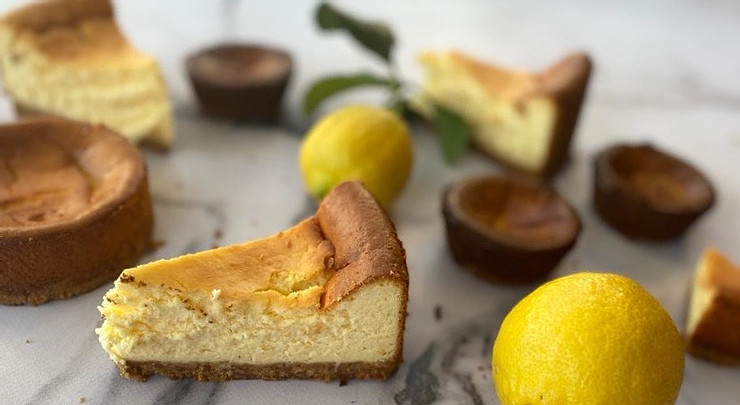
Cheesecake is one of the cakes that have been around for ages, literally! Having been made by the Greeks on the island of Samos to provide energy to the athletes that partook in the first Olympic Games, it can honestly be said that this is a true historic cake that has survived the test of time. There are many variations of cheesecake but one of the “classics” is New York Cheesecake. As everything American, it is bold in taste and looks and has become a benchmark of sorts as far as cheesecakes go.
This is my version of the classic: no water-bath and tons of lemon!
For the base:
250g digestive biscuits
120g butter, melted
You need a loose-bottomed cake tin of at least 25/26cm in diameter. If you do not have one as large, bake it in a 23cm tin and make small versions in muffin tins with the leftover mixture!
Break the biscuits up, place them in a plastic bag and crush them to fine crumbs.
Mix with the melted butter and press firmly onto the base of the cake tin.
Place in the refrigerator to firm up.
For the filling:
230g sugar
45ml cornflour
750g cream cheese
6 eggs, separated
150ml sour cream
150ml cream
2,5ml salt
grated zest of one lemon
juice of one lemon
5ml vanilla extract
Preheat your oven to 170℃ on the conventional/static setting. No fan!
Add the sugar and cornflour to the bowl of a stand mixer fitted with the paddle attachment.
Add the cream cheese and egg yolks and beat until creamy.
Turn the machine to a low setting and with the engine running add the sour cream and cream, a little at a time, giving the ingredients time to incorporate.
Add the lemon zest, lemon juice, vanilla and salt and incorporate.
Add the egg whites to a clean mixing bowl and beat to stiff but not dry, peaks.
Add a third of the egg whites to the cheese mixture and stir through to lighten the batter.
Fold the rest of the egg whites into the batter until evenly mixed.
Take the base from the refrigerator and spoon the cake mixture into it.
Bake for 1 hour 20 minutes.
Turn off the oven WITHOUT OPENING THE DOOR TO PEEK, and let the cake stand in it for another hour.
Now, prop open the oven door with a wooden spoon and leave the cake to stand for another hour. This gradual exposure to cold/room temperature air will prevent the cake’s surface from cracking.
Take the cheesecake from the oven and wrap it tightly in aluminium foil. Place in the fridge for 4 hours.
Dust with icing sugar and serve.
For cheesecakes in muffin tins:
Make a crumb as with the large cake.
Spoon enough mixture into the muffin hole to reach two-thirds of capacity.
I love eating this curry. It is fresh, light and spicy and served with coconut rice, has the perfect balance of spicy, salty, acidity and sweetness. Serve it with coconut rice, topped with a pineapple and mint salsa and you’ll be coming back for more.
1 onion, chopped
2 cloves of garlic, minced
a 2cm piece of fresh ginger, finely grated
15ml curry powder
45ml sugar
5ml ground coriander
5ml ground cumin
10ml turmeric
10ml salt
the juice of one lemon
2 aubergine, diced
half a Pineapple, diced, the other half reserved for the salsa
about 800g chicken breast, cut into strips
250ml yoghurt
1litre stock
1 fresh chilli, finely sliced
2 handfuls of fresh coriander leaves
Put a heavy based saucepan onto medium heat and add a generous amount of vegetable oil, coating the bottom of the pan.
Add the onion, garlic, ginger, curry powder, sugar, coriander, cumin, turmeric and salt.
Gently fry the mixture while stirring it around, until the onion is soft and translucent. Turn down the heat if you have to but don’t rush this stage. You want spices that are cooked through.
Add the lemon juice, aubergine, pineapple and chicken strips and stir it through so that the chicken and aubergine is completely covered in the spice mixture.
Add the yoghurt and stock and bring to a gentle simmer.
Taste the curry and add the sliced chilli if you like the extra heat.
Cook the curry for about 40 minutes or until you are happy with the consistency of the sauce. The longer you cook it, the thicker and more concentrated the sauce will become.
Add the fresh coriander leaves and give the curry a good stir.
Serve with coconut rice and salsa.
For the coconut rice:
I like to use fragrant Jasmine rice. The ratio is usually 250ml rice to 1,5 litres of water. Make your coconut rice by replacing 0,5 litres of water with coconut milk, which is roughly one can. Proceed as per instructions on the packet.
Pineapple salsa:
the reserved half of the pineapple you used in the curry, cut into small dice
1 tomato, cut into small dice
one small handful each of fresh coriander and mint leaves
salt
Add all the ingredients to a small bowl, add a splash of olive oil and mix together.
These simple herby biscuits are a cheat’s version of shortbread. They take no time at all to make and are delicious and refreshing with a cup of tea.
I add chopped thyme to mine but any soft, green herb works well. I use any soft herbs for the decoration on the biscuit, e.g. flatleaf parsley, thyme, oregano, small basil leaves, lavender and even micro herbs.
120g butter, cubed
60g caster sugar
180g flour
25ml fresh thyme (or herb of your choice), chopped very fine
Preheat your oven to 180℃.
Line a baking sheet with parchment paper.
Add the butter and sugar to the bowl of a stand mixer fitted with the paddle attachment and beat until light and fluffy.
Add the flour and herbs and mix to a workable dough with your hands.
Wrap the dough in plastic wrap and refrigerate for 15 minutes.
Roll the dough out on a lightly floured work surface. It should be about 3 mm thick.
Cut out rounds with a biscuit cutter and place a fresh herb leaf on each.
Space the biscuits evenly on the baking sheet and bake for 5 – 7 minutes.
Remove the biscuits and allow them to cool on the baking sheet as they will be soft.
Cool completely on a cooling rack before storing in an airtight container.
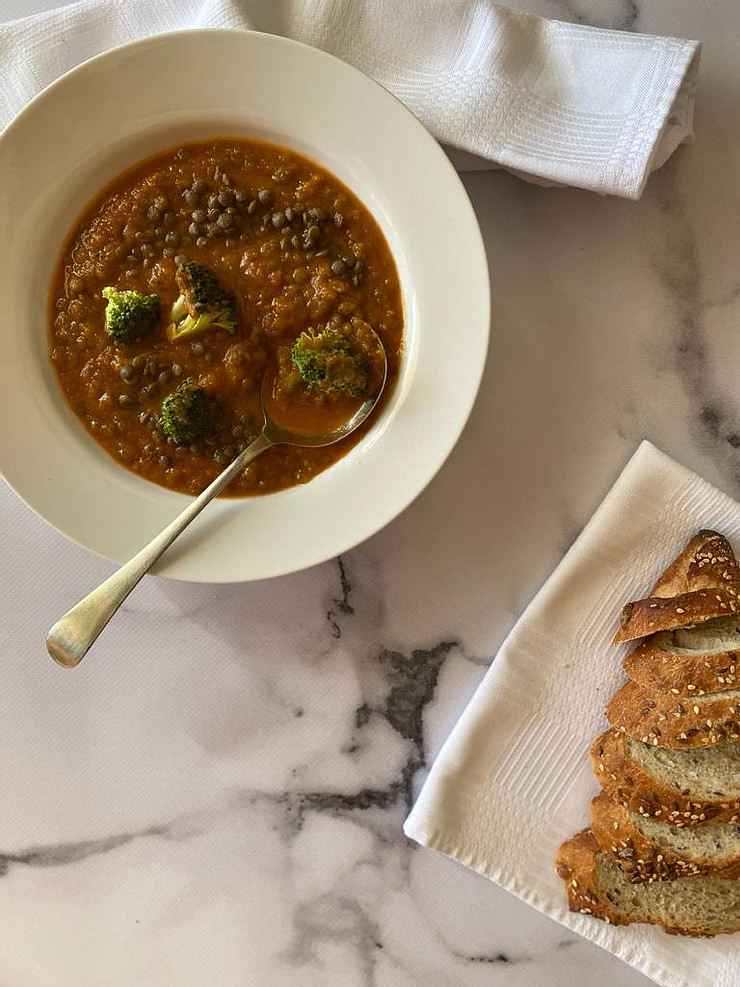
This vegetarian soup reminds one of how the simplest of ingredients can really pack a punch when it comes to taste. It is a delicious winter-warmer and a great way of incorporating almost everything from your vegetable garden!
This recipe feeds six really hungry people…
375ml brown lentils
750ml cold water
60ml olive oil
2 parsnips, diced
2 leaks, sliced into rounds
2 onions, chopped
2 carrots, diced
2 cloves of garlic, minced
bouquet garni, which is basically bay leaf, thyme and rosemary tied together
2 cans of diced tomatoes
1,5l vegetable stock
salt and pepper
500ml broccoli florets
Rinse the lentils and place it in a saucepan with 750ml cold water. Bring to the boil and gently simmer for 20 minutes until cooked but not mushy. Strain.
Add the parsnips, leaks, onions, carrots and garlic and gently sweat it off until the onions and leaks have softened.
Add the bouquet Garni, the tomatoes, vegetable stock and a small amount of salt and pepper, bearing in mind that the soup will intensify in taste as it cooks.
Simmer the soup for one hour. Taste and add seasoning to your taste.
Now, you may keep the soup base as it is or you can blitz it up at this stage. Remove the bouquet garni before blitzing!! I prefer a smooth soup with the broccoli florets and lentils providing the texture.
If you have blitzed your mixture, pour it back into the saucepan and add the lentils and broccoli florets.
Turn the heat back on and simmer for two minutes.
Serve the soup piping hot with fresh, crusty bread and good company.
This salty, sweet and buttery sauce is such a crowd pleaser!. Make it a part of your culinary repertoire and serve it with cupcakes, ice cream, in a jar as a gift, drizzled over baked apple or pear, on cheesecake, pancakes or elevate banana bread by generously pouring it on before slicing the bread.
200g sugar
90g butter, cubed
120ml cream
5ml salt
Add the sugar to a medium saucepan and place it on medium heat so that it can melt and caramelise.
Do not stir the sugar as it will crystallise.
As it starts melting you may tilt the pan from side to side so that the sugar melts more evenly, but DO NOT stir at this stage.
Once the sugar has melted completely, add the butter. The mixture should bubble up at this stage.
Stir the butter with a small whisk until completely melted. If it looks as though the mixture wants to seize, whisk it vigorously. Keep whisking until it comes back together….it will!
Start adding the cream very slowly while whisking continuously. Be patient in adding the cream – too much at once and the mixture will also seize.
Once all the cream has been incorporated you should turn down the heat slightly and allow the mixture to boil for one minute, without stirring at all.
Remove the caramel sauce from the heat and add 2,5ml salt as a start. Taste, beware it is extremely hot, and adjust the salt to your liking.
Pour the sauce into a clean container and leave it to cool. The caramel will become thicker as it cools.
I love serving Salted Caramel with my Whole Orange Cake…..absolute heaven!!!
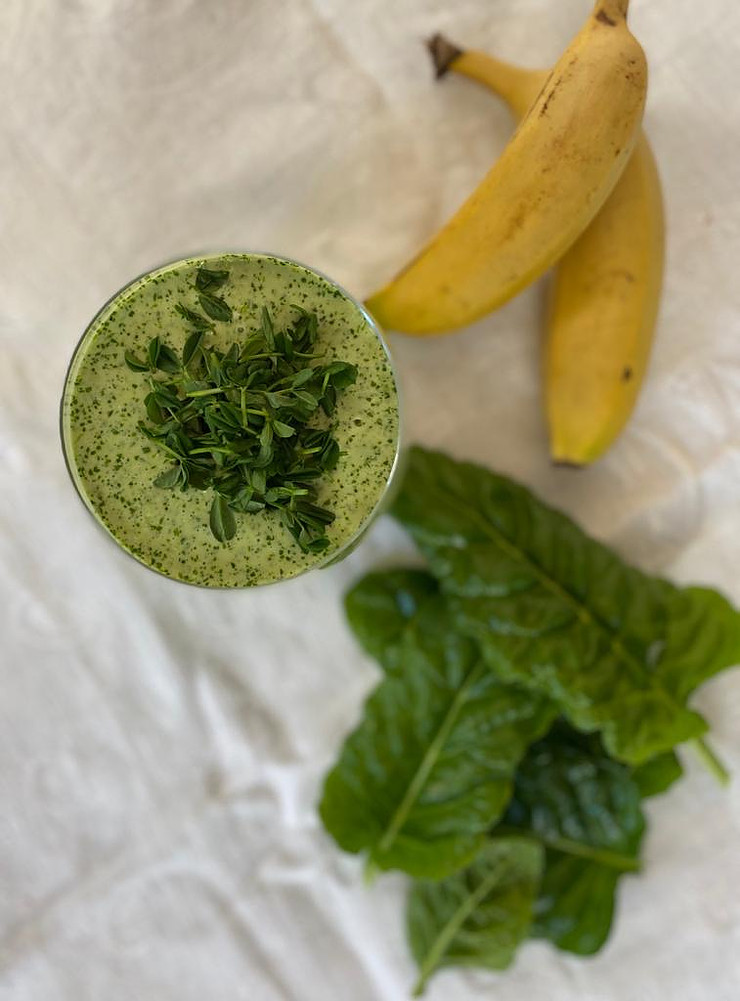
This nutrient-rich drink is a firm favourite in my household. It is a concentrated boost of all the healthy must-haves and takes only two minutes to whip up!
The following quantities will make two drinks:
1 can coconut milk
2 ripe bananas
a handful of young spinach leaves
one cup of tightly packed micro-greens
Add all the ingredients to a liquidiser and blend.
These Aniseed Rusks are such a traditional South African staple and one of my favourite rusks to keep my kitchen stocked for that early morning or in-between snack. I knead the dough by hand because of the large volume – it literally is too much for any machine kneading!
2,5kg flour
250ml sugar
4eggs, lightly beaten
30g instant yeast
30ml salt
250g butter
1 can condensed milk
750ml water
15ml aniseed seeds
Cut the butter into cubes.
Pour the water into a saucepan and bring to the boil. Turn off the heat.
Add the cubed butter and stir the mixture so that the butter may melt.
Add the condensed milk, sugar, salt and eggs and give the mixture a good stir with wooden spoon.
Pour about 100ml lukewarm water into a small bowl and sprinkle the yeast on top. Stir so that the yeast dissolves.
Pour onto the rest of the mixture, mix through and cover. Allow to stand for one hour.
Add the flour and aniseed to the yeast mixture and knead the dough until it is smooth and springy to the touch. It should take about ten minutes, which will give you an excellent workout!
Cover the dough with damp tea towel and allow to proof for one hour or until doubled in size.
Knock the dough down.
Prepare two large bread tins by greasing it with soft butter.
Now, pinch off a piece of dough that is about the size of a golf ball. Pack the “balls” tightly together and keep going until all of the dough has been utilised.
Cover the bread tins one more time, with a damp tea towel.
Preheat your oven to 170℃.
Bake the rusks for one hour.
Remove from the oven and allow to cool on a cooling rack.
Once the rusks are cooled you may break them up and place them lying down, on a baking sheet.
Preheat your oven to 50℃ and dry the rusks for about three hours.
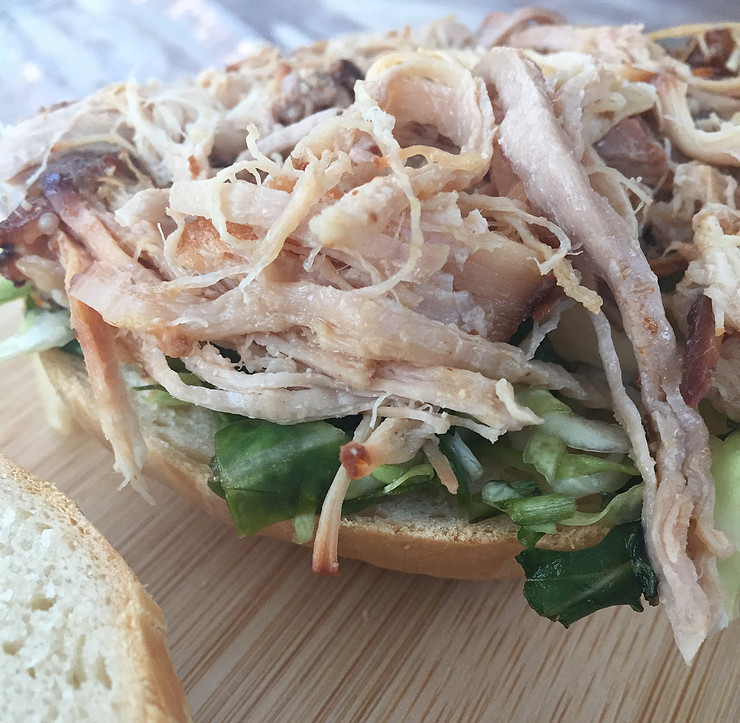
Few things are as easy to eat as a fresh roll with juicy pulled pork belly. This may be the easiest cooking you have ever done and the results are over-the-top delicious!
3kg pork belly, deboned and skin removed
15ml sweet smoked paprika Spanish paprika
salt
1,5litre apple juice
Preheat your oven to 150℃.
Put the pork on a work surface and generously salt it all over.
Sprinkle the smoked paprika over the meat and then rub/massage it all over the meat.
Place the belly in a roasting tin and pour in the apple juice.
Cover and seal the roasting tin with aluminium foil and place it in the oven to cook for at least 7 hours. This is ideal to do overnight.
Once the meat is done, remove from the oven and take the meat from the roasting tin.
Pour the cooking juices and what is left of the apple juice into a saucepan and place it on a medium high heat. Allow to simmer until the liquid has reduced and concentrated. This should take about 20 – 30 minutes.
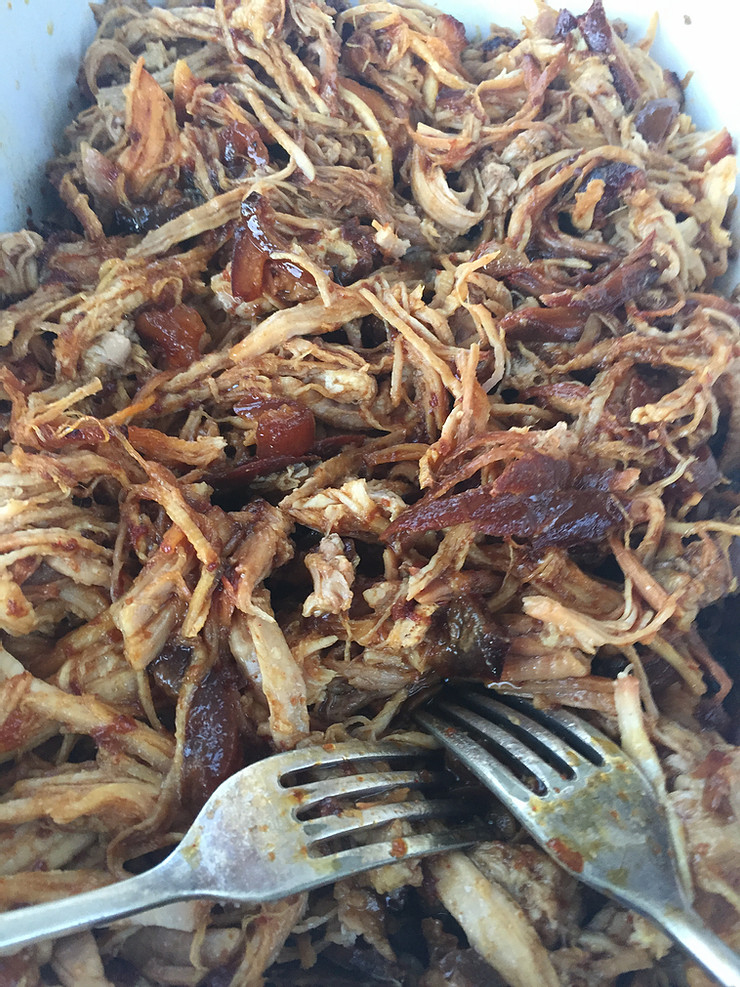
In the meantime, take two forks and pull the meat from the belly apart.
Spoon the reduced cooking liquid over the pulled meat and mix through.
Serve with an apple and coleslaw salad on a fresh roll.









 My Whisk and I